One of the perks of being a fan of Erle Stanley Gardner’s defense attorney-hero Perry Mason is that nearly all of the books have been adapted for television. Among the 271 episodes of Perry Mason that aired between 1957 and 1966, one can find the titles of most of the eighty-two novels and four novellas that featured the world’s greatest lawyer. I own the series, and you can watch most of it on Paramount+ – although not every season is streaming there. Therefore, I make sure to include my notes about the TV adaptation with every review I write.
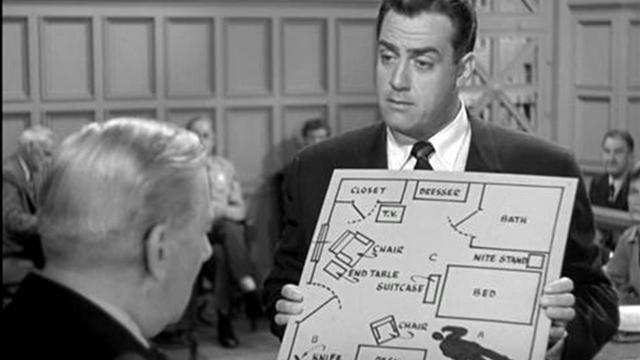
Trying to fit a full-length novel into a 53-minute long television episode is a huge challenge, especially given how complex some of the novel’s plots are. The wonder of it all isn’t how often the TV show falls short but how many times it nails the book. Unfortunately, that did not happen with my most recent read, The Case of the Caretaker’s Cat, as I discussed here. In fairness, the book contains one of the most convoluted solutions I have read thus far, but the show didn’t even bother to match the victims and murderers to the source material.
Unfortunately, as my friend Scott K. Ratner pointed out, my coverage of Caretaker’s Cat was incomplete. “But what about the film version?” he asked in the comments section. Scott was referring to the fact that Caretaker’s Cat was one of six novels adapted by Warner Brothers between between 1934 and 1937, The studio was quick to cash in on the huge popularity of this new literary figure; unfortunately, the films were never given much of a budget, and they never rose above the level of “B” programmers. That’s not to say, however, that they were not highly enjoyable films . . . well, some of them anyway.
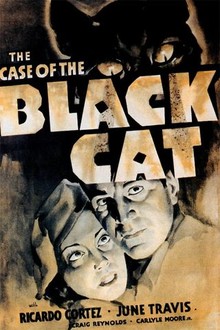
The first four films – The Case of the Howling Dog, The Case of the Curious Bride, The Case of the Lucky Legs, and The Case of the Velvet Claws starred Warren William as Perry Mason. I’ve always admired William since I saw him play the stuffy older brother in Golddiggers of 1933, but he always came across like an aging roué, too old to play the virile animal that was Perry Mason in the early novels. A wide range of actors accompanied William as Della Street and Paul Drake. Six different actresses actually played Della throughout the series, which seems awfully odd to me. William’s Masson ended up marrying Della #4, played by Claire Dodd, in Velvet Claws. Perhaps the series was on track to end there, but Warners pulled two more films out of their hat. Occasionally these films find their way on the Turner Classic Movies roster, but for the most part you need to buy the DVD set to watch them at your leisure
Unfortunately, I do not own this set. So do you know what that ol’ softie Scott K. Ratner did? He burned a copy of the film and sent it to me by post! Getting actual real live personal mail rather than a bill or ad for the AARP brought a tear to my eye! Tearing it open and discovering the contents made me realize I had a task before me. Ergo, this addendum to the original review lies before you, dedicated to Scott!
* * * * *
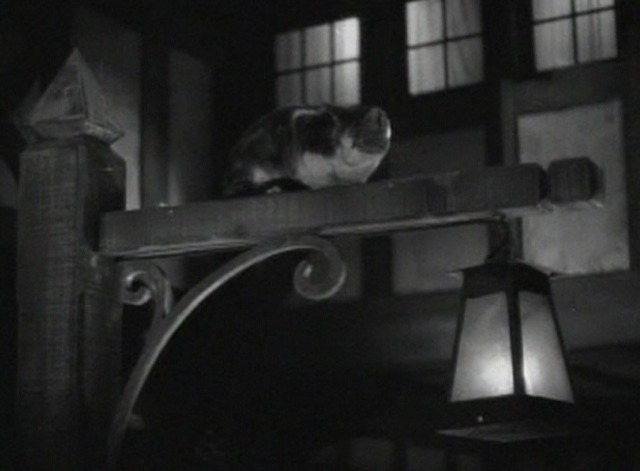
The first mystery here concerns the title. The studio threw out “Caretaker” and called the film The Case of the Black Cat. Why? I believe they were trying to capitalize on the current popularity of horror films based on the works of Edgar Allan Poe, like the previous year’s The Black Cat, an exercise in the bizarre pitting Boris Karloff and Bela Lugosi against each other. So why on earth didn’t the Mason film cast a black cat as Clinker, the central feline in this story? Frankly, I consider it either laziness or a “screw you” attitude against the viewers. No matter – we have other things to discuss.
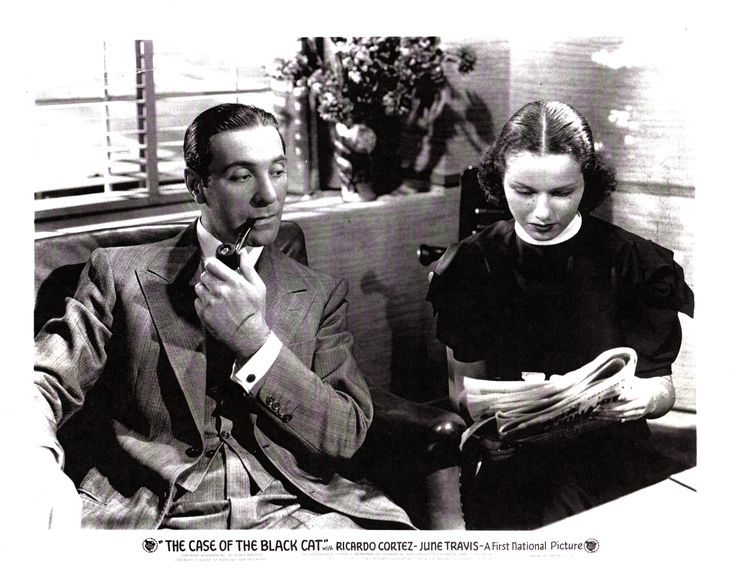
This fifth WB Mason film is distinctive in that it is the only one to star Ricardo Cortez as Mason. Frankly, I think Cortez does the best job out of the three actors who played the role to embody the swarthy physicality and playfulness of the Perry from the early novels. (Funnily enough, Erle Stanley Gardner didn’t take to Cortez and wanted the role recast. Donald Woods took the part for the final film, The Case of the Stuttering Bishop, and was easily the worst of the lot.)
Della is played by June Travis, who had an uncredited cameo in The Case of the Lucky Legs, and no attempt is made to continue the marriage between her and Perry from the previous film. (More laziness? An attempt to restart the series? Your guess is as good as mine.) Travis doesn’t appear much in the film; most of the assistance is rendered by Paul Drake, played by somebody named Garry Owen.
The film clocks in at about 66 minutes in length, which really isn’t that much longer than an episode of the 50’s series. And yet it manages to cram in most of the book’s plot pretty faithfully and do so at the typical WB breakneck pace. That isn’t necessarily a great thing because the solution is as convoluted and ridiculous here as it was in the book. Still, director William McGann makes effective use of flashbacks at the climax so that Mason can do his best to explain the whole rigmarole to the judge (and the bewildered audience.)
Despite not being jammed with Hollywood luminaries, the cast acquits itself well. Harry Davenport plays the part of Peter Laxter, the elderly invalid-patriarch who invites Mason to his home in the middle of the night to change his will. Even the most casual movie fan might recognize Davenport as the grandfather in 1944’s Meet Me in St. Louis. What boggles my mind is that this film came nine years after Black Cat, but Davenport looks younger and healthier in the later movie. I guess that’s what you can expect with an MGM big budget.
Jane Bryan is especially charming in her film debut as Wilma Laxter. Even the most casual movie fan – yeah, probably none of us know who this woman was, but Warner Brothers had big plans for her after Bette Davis discovered her in a theatre workshop. The studio put the girl to work! Over the course of five years, she made eighteen films and had some great featured roles opposite Davis, Edward G. Robinson, and Humphrey Bogart. And then she went and got married to a rich man and spent the rest of her life being a happy philanthropist! Honestly, some people!
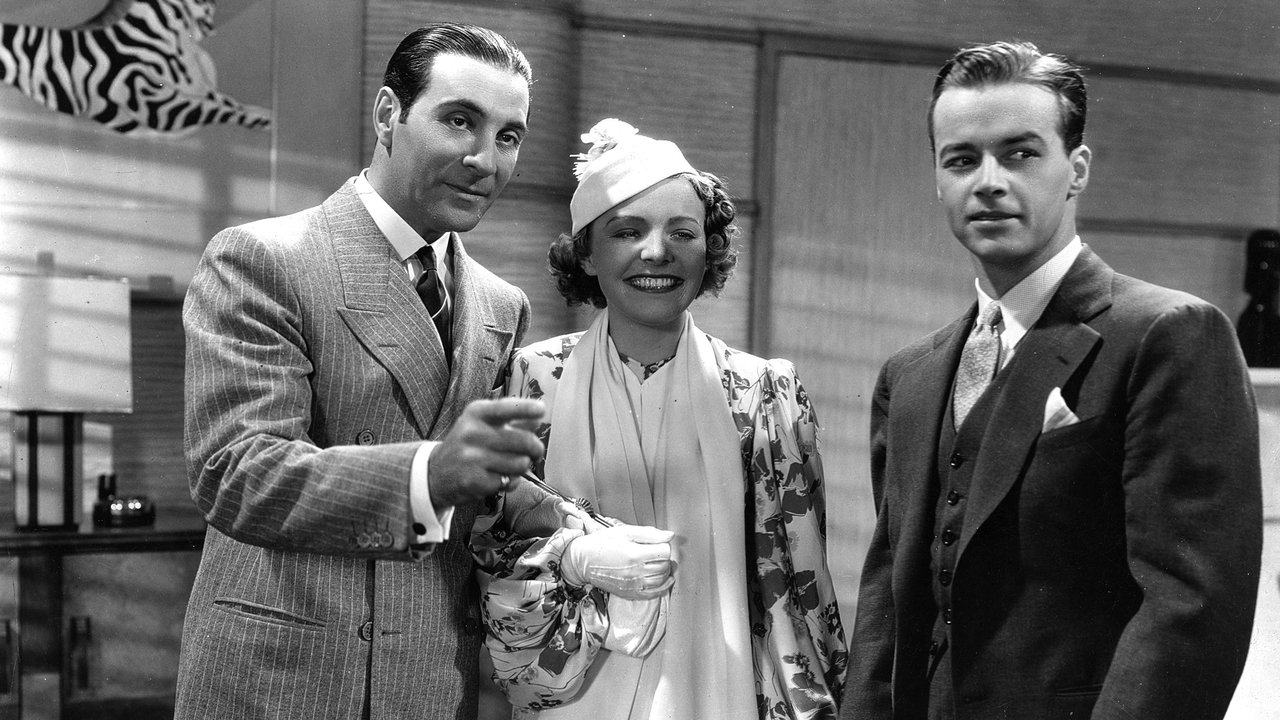
The only other person I recognized in the cast was Nedda Harrigan as the evil nurse. Harrigan played a pivotal role in Charlie Chan at the Opera, which recently topped our list as the best Charlie Chan film of all time!
I’m really glad I got to watch the film, and I’m grateful to Scott for making it possible. That said, it’s not as enjoyable as the novel was, (movies seldom are), although I was impressed as to how much of the book’s plot it jammed in. The fact that no attempt was made to simplify the solution (and really, those flashbacks were what made this possible, similar to what Warners did with 1933’s The Kennel Murder Case) showed that studios trusted audiences to follow along in the good old days. I may be wrong, but I don’t think we’ve seen a really complex whodunnit plot on screen since The Last of Sheila in 1973, and that was a happy fluke. These days, we must trust to TV series to deliver the baffling plots we crave, and even those are rare.
Enough kvetching! Perry Mason has a lame canary to deliver to you next month. See you then!
 Ah Sweet Mystery!
Great post Brad, so nice to see Cortez get some love! And so nice of Scott to make a reference copy. Yes, sir – bravo! I have that set myself and treasure it.
LikeLiked by 2 people
Perry Mason has provided me with many hours of complex entertainment since the early 60’s when I played as a young child in front of a TV. Now being 60+ years old, I still enjoy Perry Mason and appreciate the complexities which I couldn’t as a pre-k boy from Nowhere, NY. Thank you to the internet providers that continue to offer us this long-lasting source of entertainment.
LikeLiked by 1 person