“Remember, remember, the fifth of Noirvember . . . “
Happy Guy Fawkes Day, everybody! How fitting that the foiling of this dastardly plot should have occurred in November, the month we have chosen to commemorate so many dastardly plots in film noir. I have a number of special posts prepared for you to celebrate one of my favorite film styles: a review of my very first Raymond Chandler read (yes, it took me some time!!), a list of my favorite femmes fatales, and, best of all, the upcoming Plaid Draft with my amigos Nick and Sergio. Today, however, we give noir a fitting start by looking at the connection between some of our favorite character actors and the TV series Perry Mason.
Both Erle Stanley Gardner and film noir rose out of the pulps. Gardner wrote an estimated six hundred short stories for the pulp magazines; he even became known as “The King of the Woodpulps.” Characters like Lester Leith and Ed Jenkins were born here, and while Gardner abandoned them for a more prominent figure, you can still feel the influence of the pulps on Perry Mason, particularly in the 1930’s novels, where Mason functions more like a private eye, and his exploits often landed him on the seamier side of Los Angeles life.
Pulp fiction gave rise to the careers of a great many purveyors of literature that inspired the film noir we’ve come to know and love: Hammett, Chandler, Cain and Cornell Woolrich all got their start in magazines like Black Mask and Argosy, crafting stories that took a darker, grittier path through the mystery genre than the whodunnits of Christie and Sayers.
The era of film noir was brief, and the studios, guided by the censors, often whitewashed the grimier aspects of these stories, which were deemed too violent, too sexual, and above all, too immoral to pass the muster of the Hayes Code. It’s actually something of a miracle that we get as many amazing films as we do that land in much the same way that their source material did. And one of the benefits is that many actors emerged who made an indelible impression in these films.
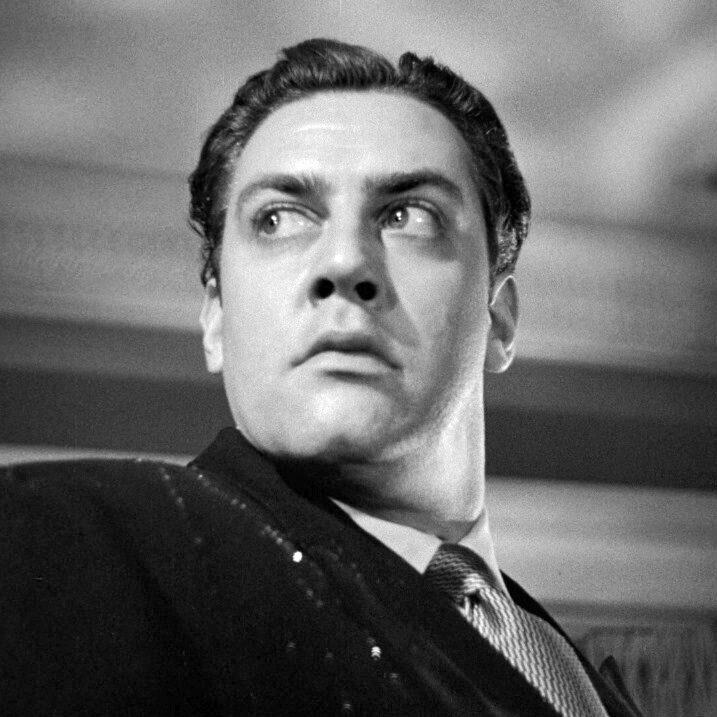
The first couple of seasons of Perry Mason had the feel of noir, helped along by a cast with plenty of experience in the genre. The title role was a rare chance for Raymond Burr to play the good guy, since he had mostly played the heavy in numerous genre films. One of his greatest villains was Rick Coyle in the 1948 film, Raw Deal: his moody crime boss could be charming and then give way to savage acts of violence. One of the most memorable moments occurs when Rick is dining on an elegant meal, and the waitress accidentally spill a drink on his jacket. Rick responds by hurling a plate of flaming cherries jubilee into her face. Burr also made a deep impression on me as murderer Lars Thorwald in Hitchcock’s Rear Window, based on a short story by Cornell Woolrich.
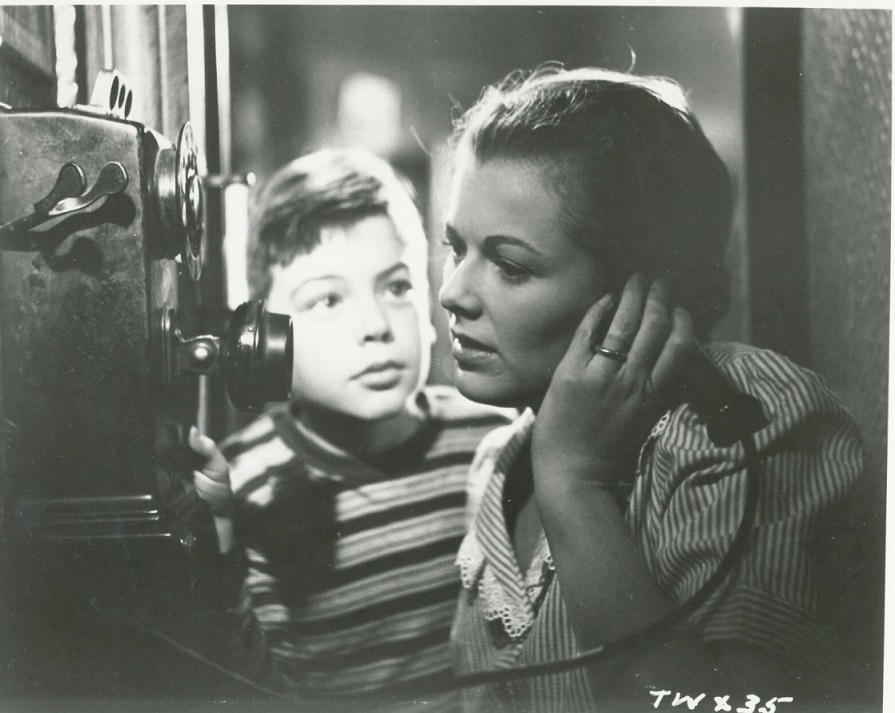
Speaking of Woolrich and windows . . . Barbara Hale may have made a sympathetic Della Street, but she also appeared in her share of noir pictures. She was hard-hearted in 1956’s The Houston Story and clueless in perhaps her most memorable noir appearance, 1949’s The Window (based on a Woolrich short story, “The Boy Cried Murder.”) William Talman was perhaps the most notable actor in noirs, appearing in many films and creating an unforgettable monster in the 1953 classic, The Hitchhiker. Ray Collins also scored big in noir, often playing corrupt leaders in films such as Hideout (1949), The Racket (1951), and Touch of Evil (1958).
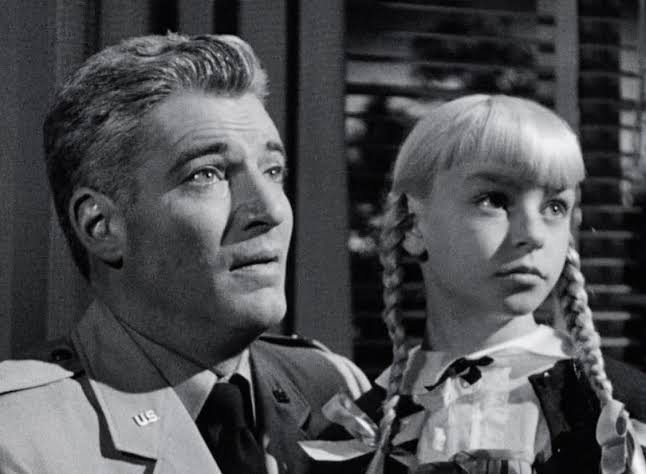
Perhaps the unluckiest of the regular cast was William Hopper, who managed to appear in several notable films noirswithout garnering the least bit of attention! He plays an uncredited reporter in both The Maltese Falcon (1941) and All Through the Night (1942), and he appears at the very end of 1956’s The Bad Seed as Rhoda’s gullible father.
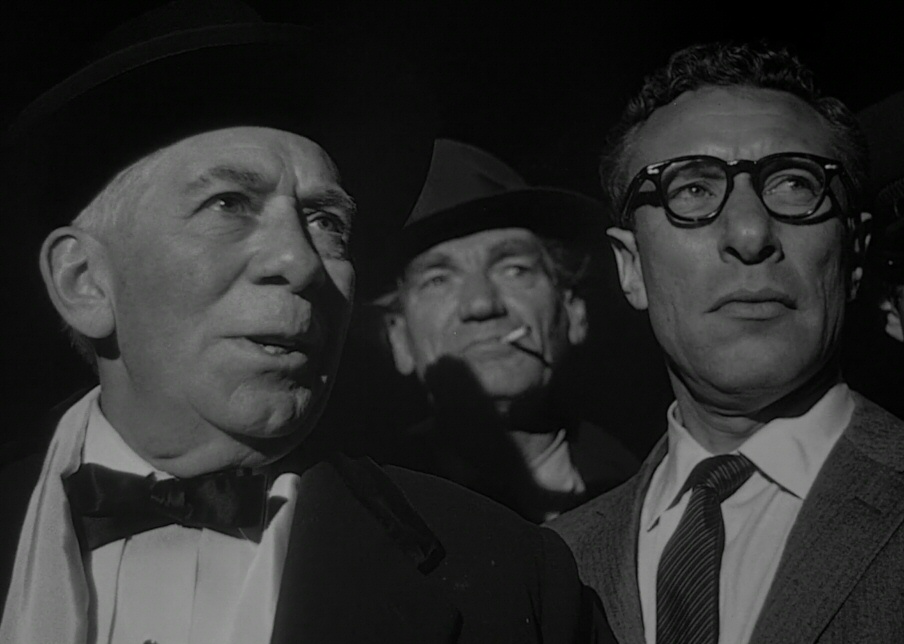
A number of guest stars on Perry Mason also made notable appearances in film noir over the years. We’ve already talked about a few: Elisha Cook, Jr. was a mainstay of noir and appeared in several PM episodes. One of them, “The Case of the Reckless Rockhound,” also featured Audrey Totter, who was so brilliant in films like The Postman Always Rings Twice, Lady in the Lake (both 1946) and The Unsuspected (1947). We’ve also talked about Marie Windsor, who was one of the most notable women in 1950’s noir appearing in such films as The Narrow Margin and The Killers.
Today, we focus on five actors, all of whom made notable appearances in noir and scored multiple guest shots on Perry Mason; in fact, between them they appeared in twenty-one episodes!
* * * * *
Born in Tacoma, Washington, Herman Brix was a natural athlete. He played football in high school and college and played in the 1926 Rose Bowl. He also excelled at track-and-field and won a silver medal in the 1928 Olympic Games in Amsterdam. After that he moved to Los Angeles and happened to meet actor Douglas Fairbanks, who arranged for Brix to get a screen test at Paramount Studios. When MGM decided to adapt the Tarzan stories to film in 1931, they chose Brix to play the role, but an injury to his shoulder during the making of another film forced him to bow out – and to be replaced by fellow Olympic athlete-turned-actor, Johnny Weismuller.
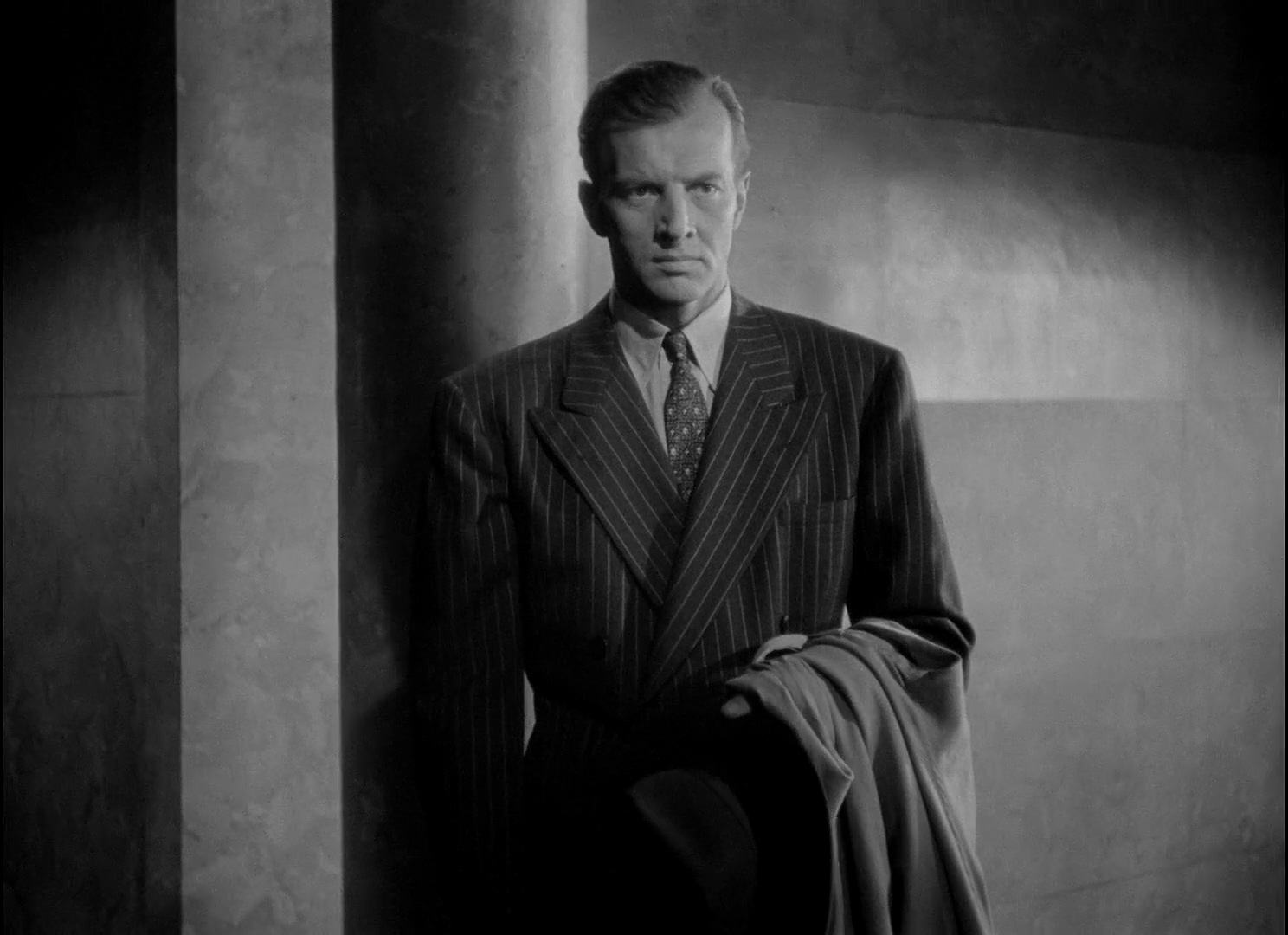
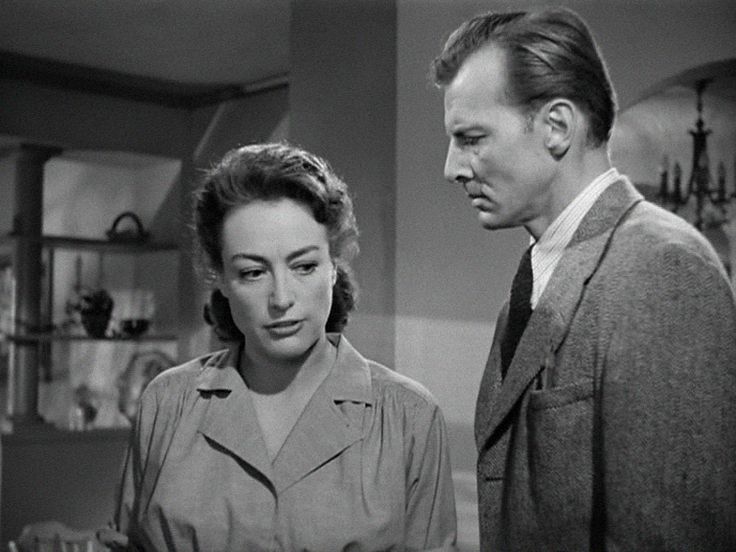
Bennett would play the role in a couple of serials financed by Edgar Rice Burroughs himself, but when it started to feel like he was getting typecast as Tarzan, Brix changed his name to Bruce Bennett and pursued other types of roles. After serving in the Navy during World War II, Bennett’s film noir career began in earnest. In 1945, he played Joan Crawford’s provincial first husband in Mildred Pierce. His film resume was dotted with noir titles throughout the 40’s and early 50’s, including 1947’s Nora Prentiss and The Man I Love, Undertow (1949), Mystery Street (1950) and Sudden Fear (1952).
After his film career sputtered in the early 60’s, Bennett did a little television, but mostly he became a businessman and continued his athletic pursuits, mostly in parasailing and skydiving, making his last jump out of a plane at the age of 96. He lived to a ripe 101 years of age.
Bennett made five episodes of Perry Mason, including an adaptation of The Case of the Lucky Loser and the previously discussed “The Case of the Reckless Rockhound.” Let’s look at the other three cases in which he appeared. First up: “The Case of the Misguided Missile,” the twenty-fifth episode of Season Four, which debuted on May 6, 1961. The series took advantage of the fact that the world space race was extremely popular and filmed this one at Vandenburg Air Force Base, using actual footage of Atlas missiles being built and prepared for launch.
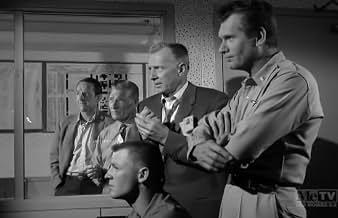
It’s always fun watching these guest stars of multiple episodes play such varying parts. The last time I watched Robert Rockwell here, he ended up confessing to murder. This time out, he’s the defendant, Jerry Reynolds, an Air Force Major in charge of missile development who is thinking of resigning his commission and moving to the private sector to earn more money in order to for his sick father. For now, though, Major Reynolds is in charge of trying to get one of Morgan Industries’ new missiles launched. So far, every mission has failed, and the nervous team included CEO Dan Morgan himself (Bennett), Dr. Bradbury (William Schallert (three Perry Mason episodes), Dr. Harrison (played by none other than Richard Arlen, who starred in 1927’s Wings), and Helen Rand. You figure that at least one of these folks has to be bad, and since Helen is played by Jeanne Bal, who vamped her way through four episodes, you can be sure she is up to no good. Indeed, it turns out that Helen is lovers and co-conspirators with Morgan’s competitor George Huxley (George N. Neise, five episodes).
None of these folks is the victim, however: that would be Captain Caldwell (Simon Oakland, two episodes), who has a troubled history with Major Reynolds and would love to bring him down. When Caldwell is clubbed to death on the base with Reynolds’ flashlight, the Major calls in his old war buddy Perry Mason to help him out. The series loved doing the occasional court martial trial to show off what it knew about military procedure. And even though things are run precisely here and somewhat dryly, Perry Mason manages to sneak in not one, but two, powerful confessions from a pair of guest stars here.
Bennett plays a very different sort of man in the fifteenth episode of Season Five, “The Case of the Roving River,”which premiered on December 30, 1961. Here he is Matt Lambert, the loving uncle and only source of stability for young Judy Bryant (Sarah Marshall). Judy has been estranged from her mother Chloris (June Vincent, five episodes) whose second husband Amos (Robert Lowery, two episodes) had deserted the family. (I think . . . a lot of the past details of this one got murky!) Anyway, the property belongs to Judy, but there is a question about what type of boundary her deed contains and if the redirection of the river on the property has moved where her property ends and that of developer Harvey Farrell (Philip Ober, five episodes) begins.
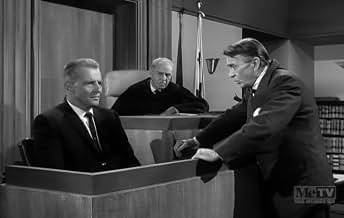
It’s up to Amos Bryant to confirm that Judy has the rights to the land, but he is suddenly demanding ten thousand dollars from her (and he calls her Susie, the cad!) in order to testify on her behalf. Judy borrows the money from her uncle and wraps it in a package as per instructed, then goes to play golf with Perry Mason’s law clerk David, whom we have discussed and who is particularly dull here. Then she delivers the package to her stepfather, who opens it – and is blown up to smithereens. It’s a cool little murder scene, but the rest of the episode devolves into interviews and testimony from the people mentioned above and a couple of other suspects who I frankly couldn’t keep track of.
None of them matter, though: when the series casts a comic actor like J. Pat O’Malley in a role and gives him far too much to do (like a comic golf scene with Paul Drake), you know you only have to sit back and wait for the “surprise” confession to come. (We’ll see O’Malley once again later, only this time he’ll play the defendant.)
Finally, we have “The Case of the Carefree Coronary,” the sixth episode of Season Nine, which debuted on October 17, 1965. As we’ve noted, the final season was all over the place in terms of quality and experimentation. This is an interesting episode in that it deals with a vast insurance fraud conspiracy and provides a stronger than usual showcase for both Barbara Hale and William Hopper as Della and Paul.
Perry has been called in to consult with the Safeline Insurance Agency. An influx of disability claims from men who have survived heart attacks is bringing the company to bankruptcy, and the president, Reve Watson (Bennett), wants Mason to investigate whether these claims are all legitimate. That initial meeting is brimming with actors like Bennett, Whit Bissell and David Lewis, all of whom have confessed to murder on the stand in other episodes. You can be sure there’s some sort of chicanery afoot!
We are treated to a snappy montage set to jazzy music (final season shtick!) of Paul Drake investigating different claimants. Finally, he finds one, Jack David (Hal Baylor, three episodes), whom we saw drop from a supposed heart attack while attending the fights with his wife (Shirley Mitchell, xxx eps) at the top of the episode. Clearly, Jack is much healthier than he pretends to be, and Mason demands that he come in for another check-up with the insurance company doctor. But when Jack and his wife arrive, he is clearly in distress and keels over dead. His attorney, a shyster named Arthur Wendell (Robert Emhardt, three eps) threatens to sue the doctor and bring up Mason on charges of manslaughter.
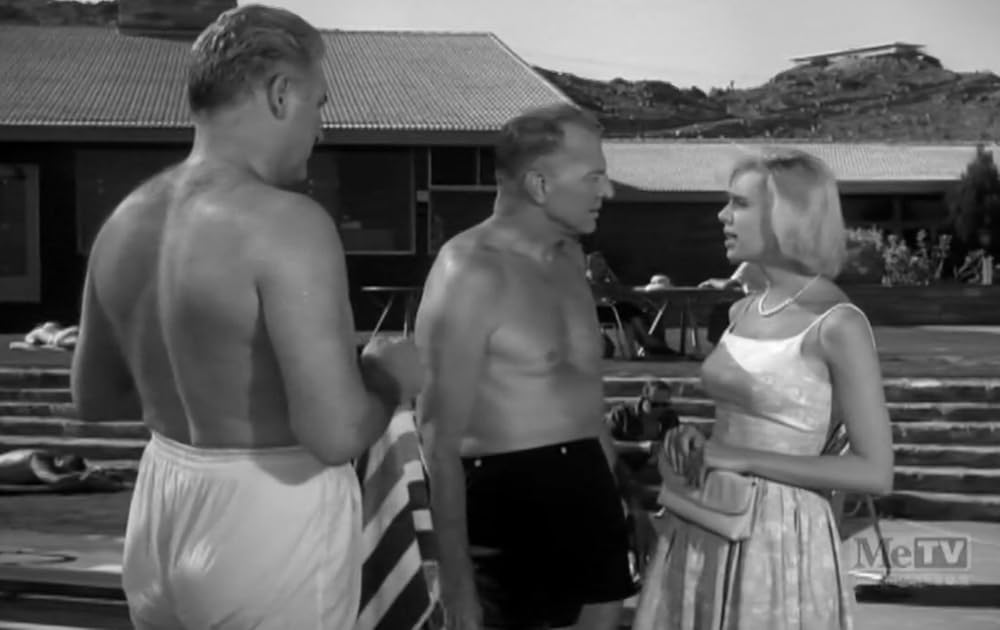
In order to clear his name and prove that there is funny business afoot, Perry Mason sends both Della Street and Paul Drake out to do undercover work. Della makes an appointment with David’s “doctor,” a cardiopathist named Raul Caudere, who makes her drink his patent formula. Paul goes to work at the construction company where David had worked and meets a couple of suspicious characters (Benny Baker, three eps, and Dan Seymour, who we will talk about below). Drake’s undercover work puts him in serious danger and causes some highly emotional moments for Della; even Perry gets a little miffed!
The mystery in and of itself is just okay, but the pacing of the episode and the delightful performances by seasoned veterans of the show makes this a fun one to watch.
* * * * *
A common factor in all these actor biographies I’ve been poring over is the transfer from stage to screen to TV; many, in fact, moved to L.A., got their professional start at the Pasadena Playhouse, made films, found that stardom eluded them, and settled into TV. Actor John Dall noted in the midst of his career that television should be the province of film actors, who understood technique, rather than stage actors, who needed audience response.
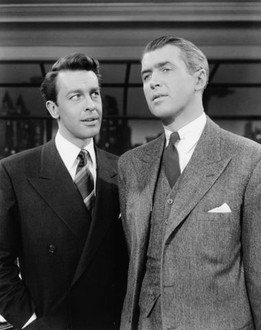
One can look at Dall’s film career and understand why some believed that Dall’s talent was never fully appreciated in film, but when I read his biography I see an actor who was forever drawn back to his first love, the theatre. He got his first taste of stage work in Panama, where his family had moved from New York City so that his father, an engineer, could build an airport. After his father committed suicide, the family moved back to New York. John considered taking after his father and began studying engineering. And yet, like so many others we’ve talked about, he ended up in L.A., at the Pasadena Playhouse.
The trajectory of Dall’s career forms a zig-zag between live theatre and film performance. His screen debut was opposite Bette Davis in The Corn Is Green (1945), for which he received great acclaim and an Oscar nomination. But when we think of Dall today, we associate him with two films: Alfred Hitchcock’s Rope (1948) and 1950’s Gun Crazy. In both of these, Dall expertly conveys an abnormal psychology that leads him – and the audience – into the darkest depths of human experience. Dall is equally effective dominating his lover Farley Granger in the one film, and being dominated by Peggy Cummins in the other. He may have been described as “ill at ease” playing Deanna Durbin’s boyfriend in a light romantic comedy, but he easily tapped into characters of dubious moral quality.
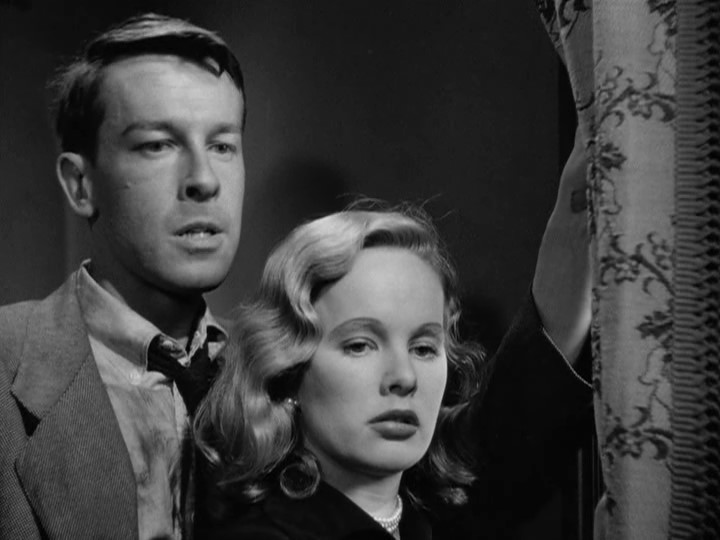
Maybe that’s what made Dall the perfect murder victim in Perry Mason! At least, that’s what he played in two of the four episodes in which he appeared, including the adaptation of the novel The Case of the Reluctant Model. Today we’re going to look at one of his best guest shots.
“The Case of the Lonely Eloper” was the thirtieth episode of Season Five, premiering on May 26, 1962. The titular prospective bride is heiress Merle Telford (Jana Taylor), who is about to turn twenty-one but, thanks to her domineering guardian, Aunt Olivia Langley (Jorja Curtright), she has the affect of a young teenager. Honestly, every character around Merle is a fright: her Uncle Howard (Paul Tripp) is a serial womanizer; her chauffeur spies on her; and her best friend Gina (Joan Staley, four episodes) has helped set her up with Danny Pierce, a nasty fortune hunter (Jack Ging, three eps). Olivia is having a big birthday party for Merle, at the end of which the girl plans on eloping with Danny to San Francisco; her beau, however, plans to steal her jewels and run away. The only problem? Aunt Olivia is wearing the jewels.
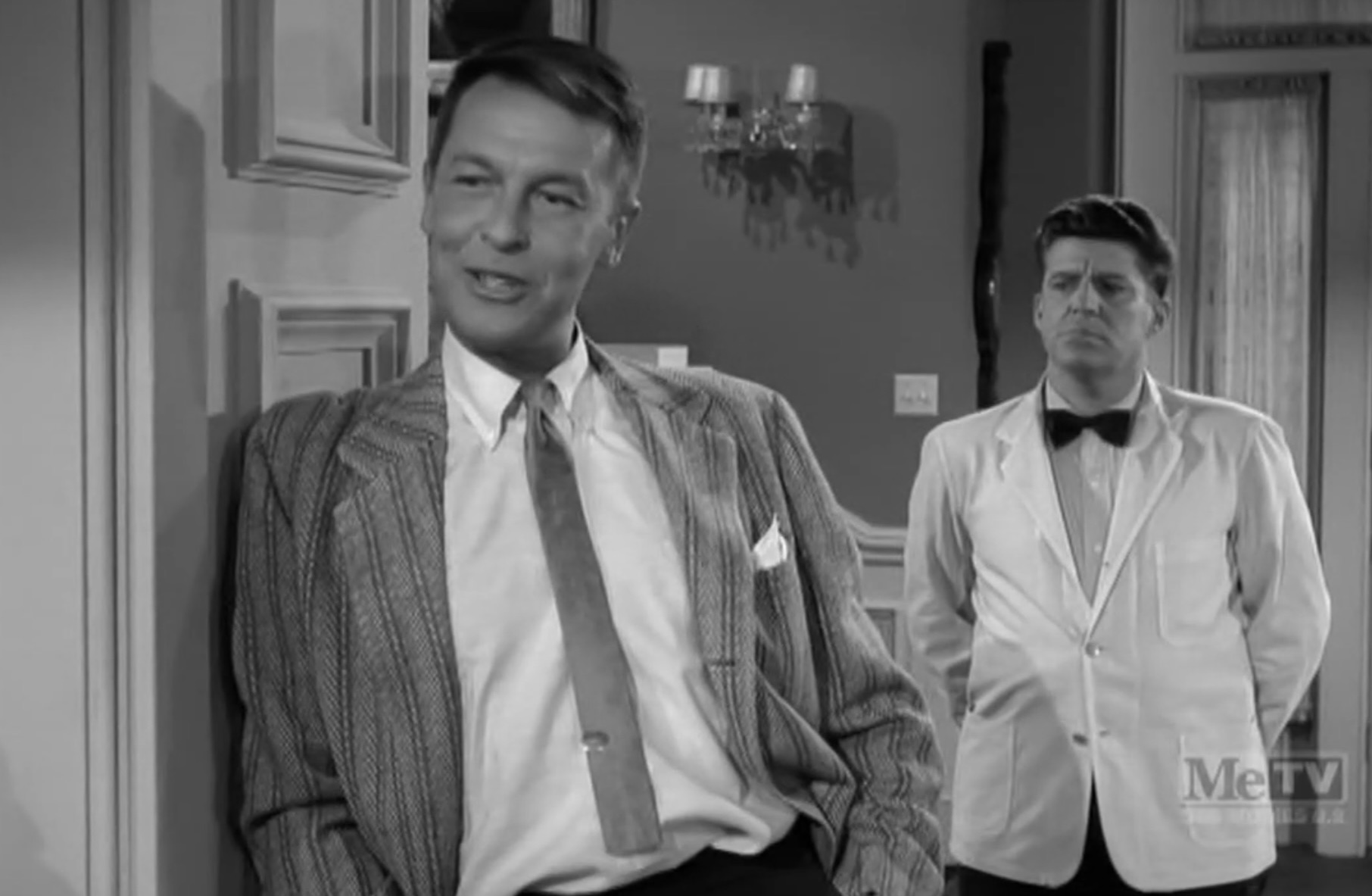
Before she is murdered, Olivia has hired Paul Drake to come to the party and keep his eye on Merle and Danny. We watch the comings and goings of various people through the house and garden. It seems like Howard has invited every blonde mistress in his little black book to flirt with. But then Olivia is found in her room, stabbed to death, and the weapon is found in the luggage Merle had packed for her elopement. Maybe it’s because Merle talks and acts like Shirley Temple, but Paul Drake takes pity on her and begs Perry to defend her.
The killer is fairly obvious, probably because of a certain trick that the director uses to hide their identity. However, this episode is a wonderful showcase for John Dall, who plays Merle’s impoverished and jaded cousin who lives in a cottage on the grounds and gets one witty scene after another. Clearly, he is channeling Brandon from Rope, which is probably why I didn’t suspect him for a minute but just sat back and enjoyed his arch timing.
* * * * *
I have a special fondness for Gerald Mohr, who had one of the most recognizable baritone voices on classic radio. He played Raymond Chandler’s famous detective on the series The Adventures of Philip Marlowe and was one of the actors who voiced Archie Goodwin opposite Sidney Greenstreet in The Adventures of Nero Wolfe. His film career consisted largely of roles in mysteries in the 1940’s, including several stints as Michael Lanyard, the Lone Wolf, and in a number of films noirs during the 1950’s. He appeared in over one hundred TV series, ranging from comedies like I Love Lucy (as Ricky Ricardo’s therapist!) and The Jack Benny Show (in both crime drama and Western spoofs) to nearly every Western ever produced, to detective series like Hawaiian Eye, 77 Sunset Strip, and, of course, Perry Mason.
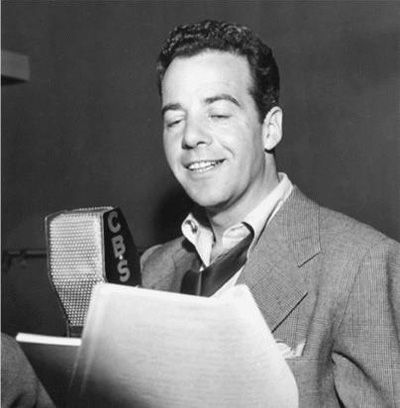
Mohr appeared four times on the show; in fact, he was one of the first actors we mentioned way back in the Dark Shadows discussion, appearing with Shadows villain Diana Millay in “The Case of the Unwelcome Bride.” Let’s discuss his final two appearances here – one of them in the final episode of the series!
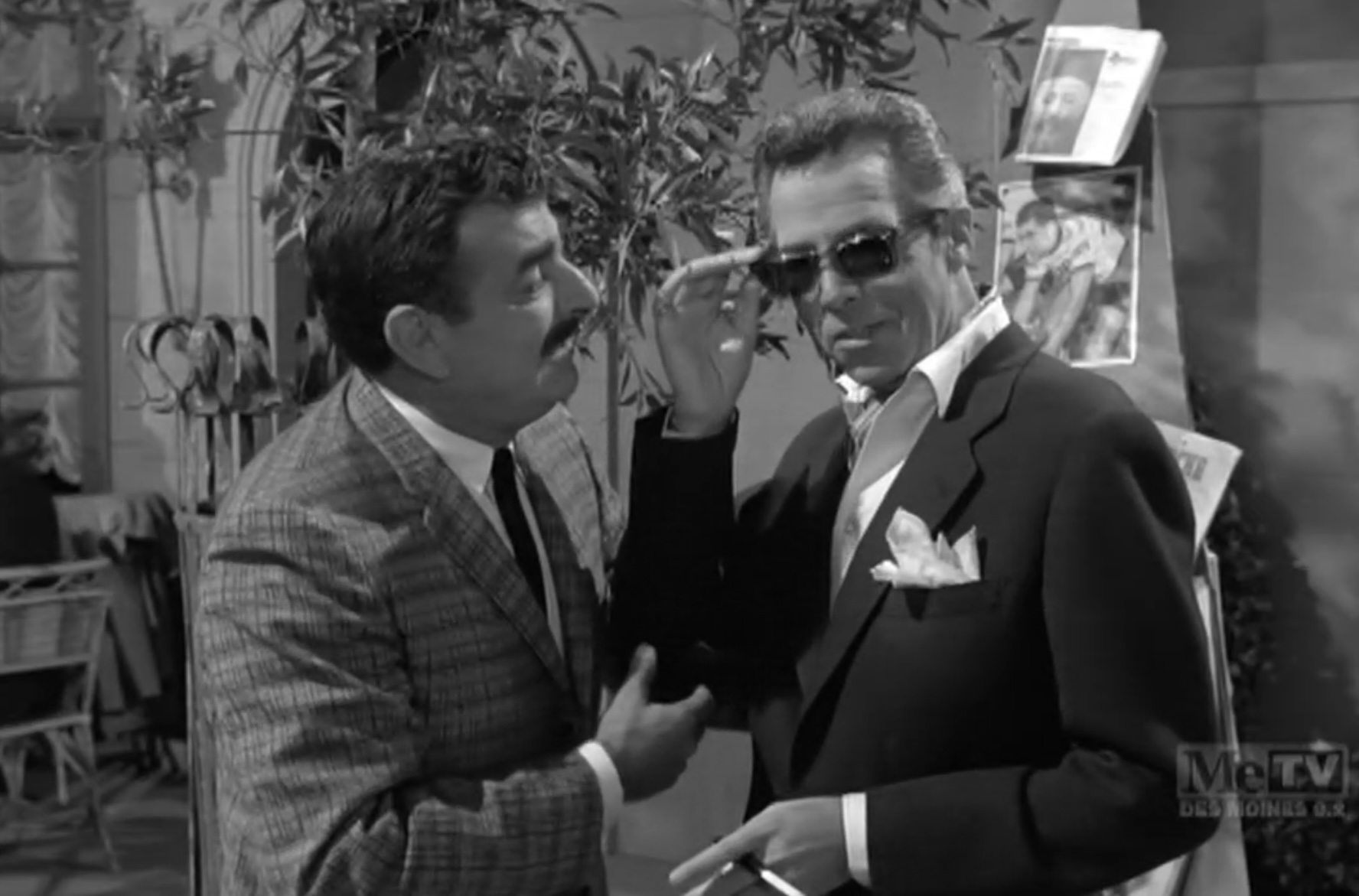
Season Eight’s eighth episode, “The Case of a Place Called Midnight,” debuted on November 12, 1964. In every way there could be, it is not a “typical” series episode, beginning with a title lacking a simple noun and its descriptor. It is shot and scored far more cinematically than usual, but if you think “bigger is better,” you don’t know your Perry Mason – and if you ever hear me complain about the formulaic quality of the series, simply step close to my ear, whisper the word “Mitternacht” and I will shut up like a clam!
Raymond Burr is the only series regular present in this one, and he seems muted without his office mates and legal adversaries to play off of. There is a murder – two, in fact – but there’s no trial. This plays like a hybrid of Perry Mason and The Man From Uncle that has also been saddled with a soppy romantic story. It is set in Germany and Switzerland, where the charming village of Mitternacht (Midnight) exists, and where a motley assortment of character actors, er, characters has gathered together to unearth a rumored cache of art treasures reputedly stolen by the Nazis and sunk near the shore of the town’s lake.
Those characters include Gerald Mohr as Alan Durfee, a sardonic has-been movie star trapped in Switzerland due to tax laws; Robert Emhardt (3 episodes) as a loud-mouthed American businessman; Robert Cornthwaite (five episodes) as a temperamental Frenchman; and several others of whom I frankly lost count and didn’t much care.
Perry gets involved in this over-complicated, murky plot because he is friends with a young military officer whose wealthy parents are Mason’s clients. Frederic Ralston (Fred Vincent) has fallen in love with a cabaret singer (Susanne Cramer, who we also saw playing essentially the same role in “The Case of the Fugitive Fraulein”). She runs away to Mitternacht, and the reason has something to do with the guys looking for Nazi treasure. Or maybe it’s her aunt who is involved, played by a Hungarian actress whose real name contains too many characters that my laptop can’t duplicate!!
Then, for some reason, Fred’s commanding officer is murdered in Fred’s hotel room, and Fred is arrested by the local policeman, played of course by Werner Klemperer (I say “of course” because if an episode is set in Germany or thereabouts, Klemperer is bound to be in it.) Fortunately, he is lots of fun here playing a law officer who is possibly corrupt.
Suffice it to say, Mason finds the person responsible for a whole lot of stuff and manages to set the course of true love on its proper path. I didn’t buy any of it for a second!
“The Case of the Final Fade-Out” is the final episode of Perry Mason, first airing on May 22, 1966, and it’s a special “fade-out” indeed! Surprisingly, I have read that the production team and cast had no idea that the series would be cancelled because this one certainly feels like a series finale. For one thing, there are two murders instead of one, leading to two trials – and the judge for the second trial is played by none other than author Erle Stanley Gardner. The plot centers around the world of broadcast television itself and includes several scenes with extra characters who are played by the actual technical members of the Perry Mason staff. In one of these scenes, set at the studio canteen, I also noticed several actors who had appeared as guest stars in other episodes.
The mystery plot is relatively straightforward, but a lot of action is jammed into fifty minutes. Our old friend Denver Pyle plays Jackson Sidemark, the producer of a hit action series, who, as the cameras roll filming the latest episode, is just making final touches on the contracts extending the series another year. (Don’t tell me that’s not a sign that Perry Mason knew its days were numbered!) Unfortunately, star Barry Conrad won’t sign his contract because . . . well, Barry spends the first fourteen minutes of the episode shafting everyone in sight, and then he is shot to death while filming a scene where an initially missing prop gun turns out to have been loaded with real bullets.
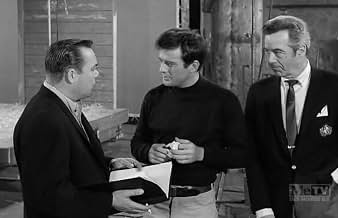
(Barry is played by James Stacy, one of the more notorious actors to have appeared on Perry Mason (twice!) His acting career was tragically paused when he was in a motorcycle accident that caused him to lose his left arm and leg. He did eventually return to acting, but then he was caught up in a series of scandals involving very underage girls.)
Sidemark is arrested for the murder, but his trial is derailed when the property master (another old friend, Jackie Coogan) commits perjury on the stand. Before Hamilton Burger can get new evidence together, Sidemark himself is murdered after notifying both Perry and the police that he has found Conrad’s true killer. This time, an ancient actress, played by the divine Estelle Winwood, is arrested because she believed that Sidemark had fired her from a guest stint on his show (it was Barry who forced his producer to fire the old lady).
The trial is quick, and Perry fortunately finds some film rushes that prove the identity of the killer. And while we were not shown these rushes until just before the confession, canny viewers don’t need this bit of evidence. It’s clear who the killer is, not through any of the usual casting decisions but because there is only one person on the suspect list who could have ensured Barry being murdered the way he was. It’s not a complex case, but it is a nice send-off!
* * * * *
Dan Seymour Katz was a nice Jewish boy from Chicago who started out as a song-and-dance man in New York burlesque clubs, then moved to Los Angeles and used his swarthy features and heavyset body to get cast as suspicious characters in a variety of films. He managed to score roles in a number of Humphrey Bogart films for Warner Brothers, including Casablanca, To Have and Have Not, and Key Largo and also appeared in a number of crime dramas, spy thrillers, and films noirs, including 1953’s The Big Heat.
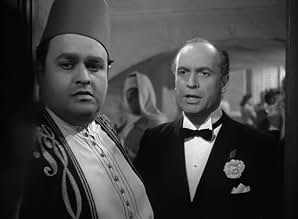
His numerous TV appearances ranged from crime dramas to sitcoms, where he played a lot of sheiks and characters named “Fatty” or “Fatso” or simply called “Fat Man.” The fact that he could play shady characters so easily made him an invaluable part of the Perry Mason guest stable, and he showed up in seven episodes. I think the odds are good that, like so many of these folks, you couldn’t describe him based on his name, but if I showed you his mug, er, head shot, you would go, “Oh, yeah . . . that guy!”
We watched Seymour co-star with Bruce Bennett in “The Case of the Carefree Coronary” above; now we’ll look at “The Case of the Gambling Lady,” the twenty-sixth episode of Season Eight, which debuted on April 8, 1965. This one stars Peter Breck, a handsome fella who made three episodes of Perry Mason and would go on to stardom playing one of Barbara Stanwyck’s TV sons on The Big Valley. Here he is Peter Warren, who owns a novelty company and has consulted Perry Mason on, of all things, a divorce from his wife Myrna (Myrna Fahey, four episodes), a woman with a compulsive gambling problem.
The episode opens in Reno where Myrna is spotted passing counterfeit gambling chips in a club belonging to Tony Cerro (Jesse White, five episodes). Cerro’s assistant Ned Beaumont (clearly a tribute to Hammett’s The Glass Key) is nearly run down by Myrna’s car and picks up chip wrappers with the logo of her ex-husband’s company printed on them. (Beaumont is played by John Rayner, who appeared in two PM episodes and also appeared in The Invaders!!)
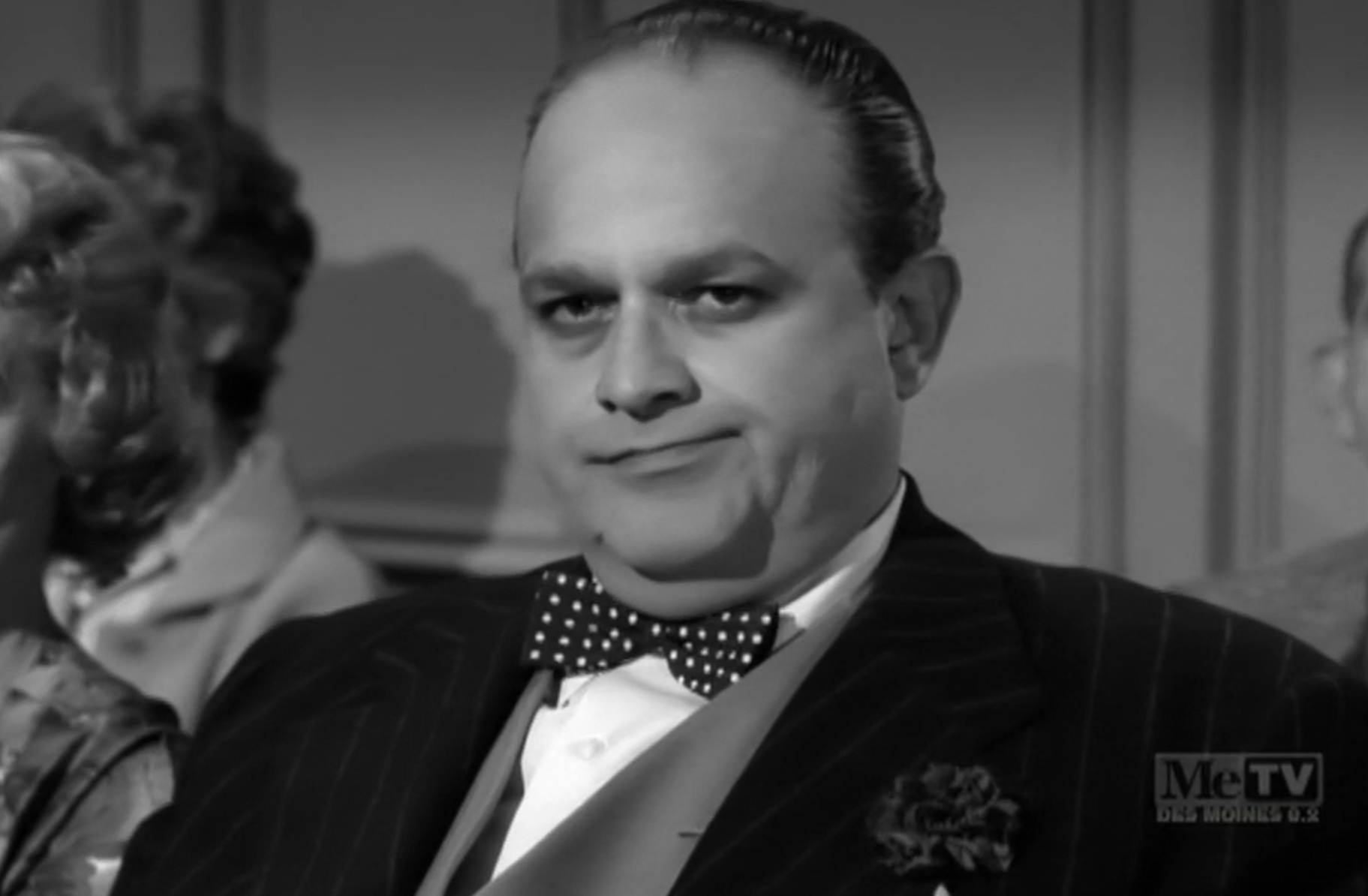
Unfortunately, this is not a very good episode for Dan Seymour, who has a small part as a beleaguered croupier. But the rest of the cast is terrific: Ruta Lee, who showed up in five episodes, a lot of movie musicals, and played a small but pivotal role in Billy Wilder’s Witness for the Prosecution, here plays Myrna’s neighbor, who’s clearly up to no good, and Kevin Hagen, who made three episodes, shows up as a gambling investigator working with the D.A. to track down the source of the counterfeit chip ring.
This one has a twist ending that I think most canny viewers will see coming. However, I must note that Perry unmasks this killer using a behavioral clue that I did not think of and which I thought was extremely clever for being so utterly simple and logical.
* * * * *
Finally, let’s talk about Paul Stewart, an actor, director and producer who more than deserves to be on this list. Born in New York City, Stewart quit studying law at Columbia after two years in order to become an actor. His Broadway debut was at the age of twenty-two, and he counted among his close friends young Orson Welles, who credits Stewart with getting him his first job on radio.
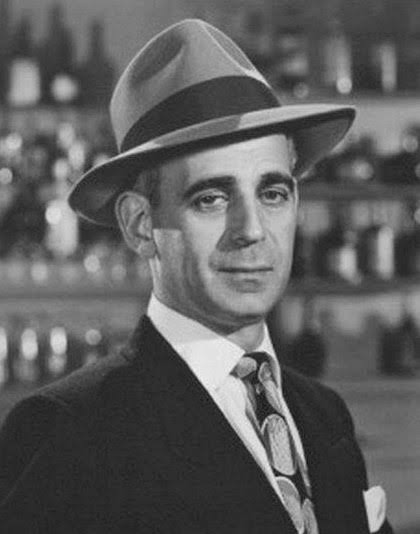
The two men worked together in the repertory company that produced the popular radio program The March of Time. When Welles brought his Mercury Theatre company to radio, Stewart became his associate producer and played roles in various productions. As a co-director, Stewart made such significant contributions to what would become a radio classic – The War of the Worlds – that Welles credited his friend for the program’s success. Welles paid Stewart back by giving him his first film role, that of the slimy butler Raymond in Citizen Kane.
His work in Hollywood included a number of classic or near-classic noir films, including Johnny Eager, The Window, Kiss Me Deadly and Hell on Frisco Bay. Stewart excelled at playing sinister characters, which he continued to do in numerous TV programs almost till his death in 1986. He also directed episodes of several early crime series, like Hawaiian Eye. Philip Marlowe and Michael Shayne, as well as one crazy episode of The Twilight Zone called “Little Girl Lost.”
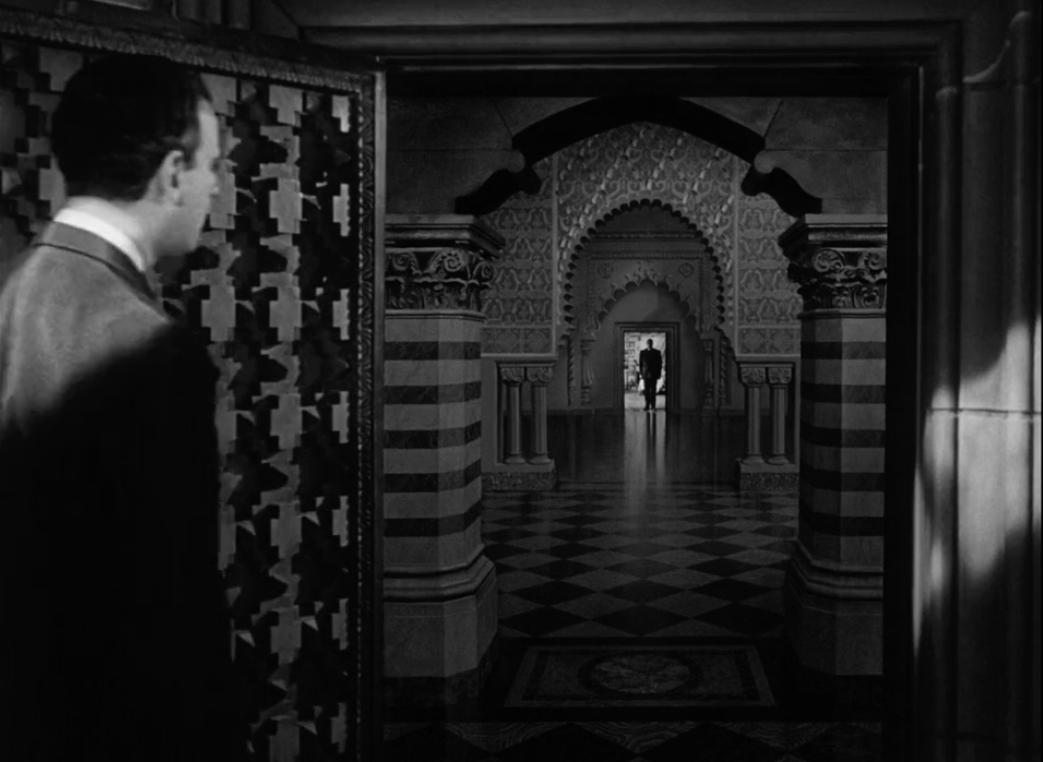
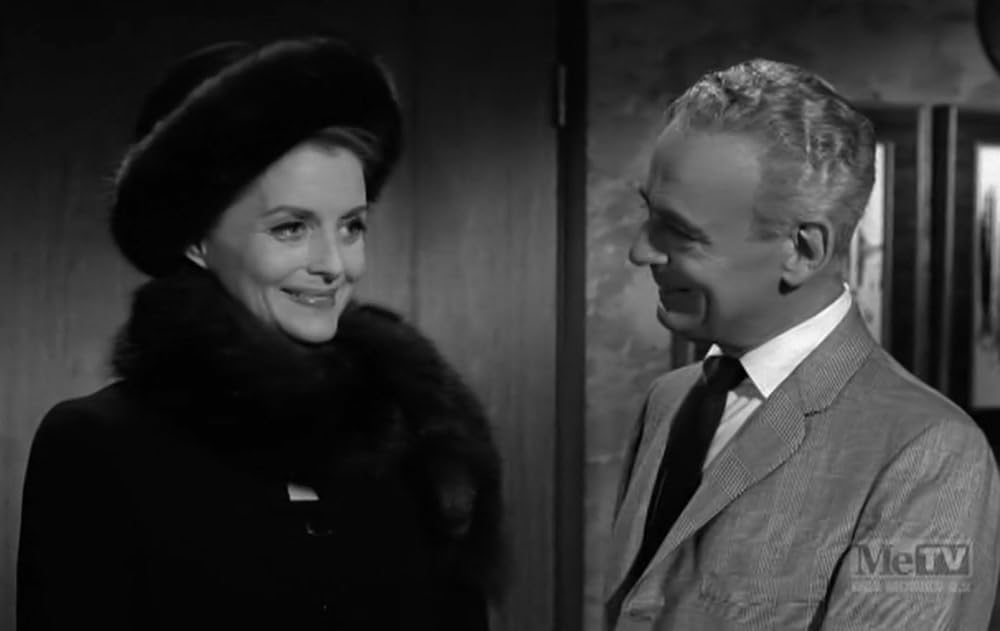
Stewart appeared twice on Perry Mason, including “The Case of the Avenging Angel,” in which he co-starred with Lurene Tuttle, and “The Case of the Tragic Trophy,” the ninth episode of Season Eight, which premiered on November 19, 1964. Here’s another Hollywood story with yet another egotistical personality at its center. This time, it’s director Anthony Fry, played by Richard Carlson, who co-guest-starred with Stewart in “TCotAvenging Angel.” Fry is just returning from shooting in Mexico with his assistant director Howard Stark (the great John Fiedler) and his personal assistant Coley Barnes (George Brenlin).
Also at Fry’s side is Kathy Anders (Mimsy Farmer, two episodes), who is introduced to reporters as a young wanna-be actress who has hooked a besotted Anthony Fry. In reality, at least on Fry’s part, Kathy is a publicity stunt for the Mexican film. For Kathy, however, there is something more personal at stake: her father, one of the greatest cameramen in Hollywood, was blamed for a botched film project Fry helmed in Spain; the fallout drove Kathy’s father back to drink. Now she wants revenge by getting something on Fry, and she thinks she has found some dirt in a mysterious woman Fry is carrying on with. She has even hired Paul Drake to help her in her quest.
Paul Stewart shows up as a powerful producer who has worked both with Fry and with Kathy’s father. As sinister as he can’t help seeming when we first meet him, Stewart is one of the good guys, who wants to help Kathy’s dad get back on his feet. The girl is so grateful that she doesn’t know what to do when she discovers that Stewart’s wife (Constance Towers) is the mysterious woman Fry has been seeing.
There is lots and lots more backstory to uncover after Fry is murdered, and while the plot is a bit too heavy on backstory, the cast acquits itself well, including Patricia Huston (four episodes) as Fry’s sardonic secretary. However, I have a huge problem with this episode, which I’ll detail next – except, I warn you, it SPOILS EVERYTHING!
SPOILER – The murder scene is great: Kathy has broken into Fry’s apartment to regain a camera and some film that Howard had taken from her. As she is searching around, Fry appears and grabs her. Things get ugly quickly, and Fry brutally slaps Kathy over and over. In a panic, she grabs a trophy off the mantle behind her and strikes Fry down.
At this point, Coley, who lives downstairs, and Howard, who has an appointment with Fry, start pounding outside the front door. Paul Drake shows up and the three men break down the door. Kathy has slipped out onto the balcony and made her escape with Coley and Paul following her. When Drake returns to the apartment, he finds Howard in tears, cradling his boss’ dead body.
For the rest of the episode, Perry Mason interviews all the above listed suspects, seeking to figure out who could have sneaked into Fry’s apartment and killed him; after all, the man was struck twice, and only the second blow was fatal. But this whole scenario makes absolutely no sense, since we’ve all seen the murder play out and only one person was on the scene and capable of murdering Anthony Fry – the person who was left behind while Paul Drake and Coley chased after Kathy. And that’s the solution . . . but we have to wait forty minutes for Mason & Company to catch up with the viewer who has read his Christie!
* * * * *
We hope you’ve enjoyed this journey down the mean streets with some of the gentlemen who have populated the alleys, cheap bars and criminal dens of many a film noir. I’ve got a big series of Perry Mason – centered articles coming up for Christmas. For now, you can tune into Amazon Prime and play catch-up on some of these terrific episodes.

