Dead Men Don’t Wear Plaid may not crack the Top Two Hundred on my list of funny films, but it is a loving, if silly, homage to one of my Top Five film genres and it’s interweaving of clips from nineteen film noir movies from the 1940’s into a semi-coherent plot is clever. It was my fellow Amigo Nick Cardillo’s idea, which he presented to Sergio Angelini and me nearly a year ago, to take these nineteen titles and draft an ordered list.

Thus, we have all separately been watching or re-watching nineteen titles, and I think I can safely say that even the least of these films on my own list would be preferable to watching or re-watching Dead Men Don’t Wear Plaid. As I checked each title off my viewing list, I was admittedly a bit dismayed at the brilliant noir titles that didn’t make director Carl Reiner’s cut: Out of the Past, Laura, The Maltese Falcon, I Wake Up Screaming. The Third Man, Murder, My Sweet, Criss Cross, Phantom Lady . . . The list goes on and on! There are more than enough incredible titles to help make a sequel to Plaid. Heck! Maybe it’d even be funnier . . .
The three of us gathered together virtually from our respective corners of the draft world (California, Pennsylvania, and the U.K.) to create our list in the manner of my favorite film podcast, Screen Drafts. Please note that for the first time ever, Screen Drafts is celebrating Noirvember with two noir-centered drafts, including the best noir performances by Robert Mitchum. (I’m backing Out of the Past for #1). Anyway, here are the rules of our draft:
We are creating a serpentine draft to determine the order, from bottom to top, of the nineteen film noir titles at our disposal. Just so you know, the titles, listed chronologically, are:
- Johnny Eager (1941)
- Suspicion (1941)
- This Gun for Hire (1942)
- The Glass Key (1942)
- Keeper of the Flame (1942)
- Double Indemnity (1944)
- The Lost Weekend (1945)
- The Killers (1946)
- Deception (1946)
- Humoresque (1946)
- The Postman Always Rings Twice (1946)
- The Big Sleep (1946)
- I Walk Alone (1947)
- Dark Passage (1947)
- White Heat (1949)
- Sorry, Wrong Number (1949)
- The Bribe (1949)
- In a Lonely Place (1950)
Here are the rules of the Draft:
Each of the Amigos will take his turn in an order to be determined at random.
- DRAFTER C will select the picks at 19, 16, 13, 10, 7, 4, and 1.
- DRAFTER B will select the picks at 18, 15, 12, 9, 6, and 3.
- DRAFTER A will select the picks at 17, 14, 11, 8, 5, and 2.
Each drafter is given a blessing in the form of a VETO. The way the veto works is that if one player places a film title in a particular spot and another player disagrees with that placement, he may use his veto to push that title out of that spot. Since we are creating a super draft and all films will be included on the list, the only reason to veto here is because a player believes a title has been placed too low on the list. That title goes back into the pick ether and will be played by any player higher up the list.
Each player has a particular advantage:
- DRAFTER C has the most pics, but they are lower on the list, and – barring the use of a veto – his announcement of the #1 film is just that, an announcement. He will be granted a special blessing called the VETO OVERRIDE. How that works: if a GM plays a film and Drafter C thinks it’s too low on the list, he can override that veto, and the film will stay in the position in which it was played. NOTE: Drafter C CANNOT override a veto made by another player on one of C’s own picks.
- DRAFTER B has six pics in the middle of the list and will therefore be granted an EXTRA VETO.
- DRAFTER A has pics that go to the top of the list, and – barring the use of a veto – his choice of #2 will effectively select the #1 film as well.
Those are the rules. Nick spins the randomizer . . . and the final result is –
- DRAFTER A is Brad
- DRAFTER B is Nick
- DRAFTER C is Sergio
And now, on with the Plaid Draft, which turned out to be pretty copacetic – until we got to Number Six!! (The drafter’s notes come first, followed by comments from his fellow GMs.)
* * * * *
NUMBER NINETEEN
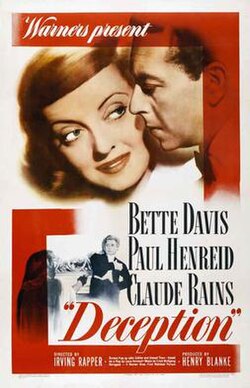
Sergio played DECEPTION.
A very dull and boring film despite the great music and production design (I really wish I could live in her apartment – albeit not on Stage 5 at Burbank on the Warners lot).
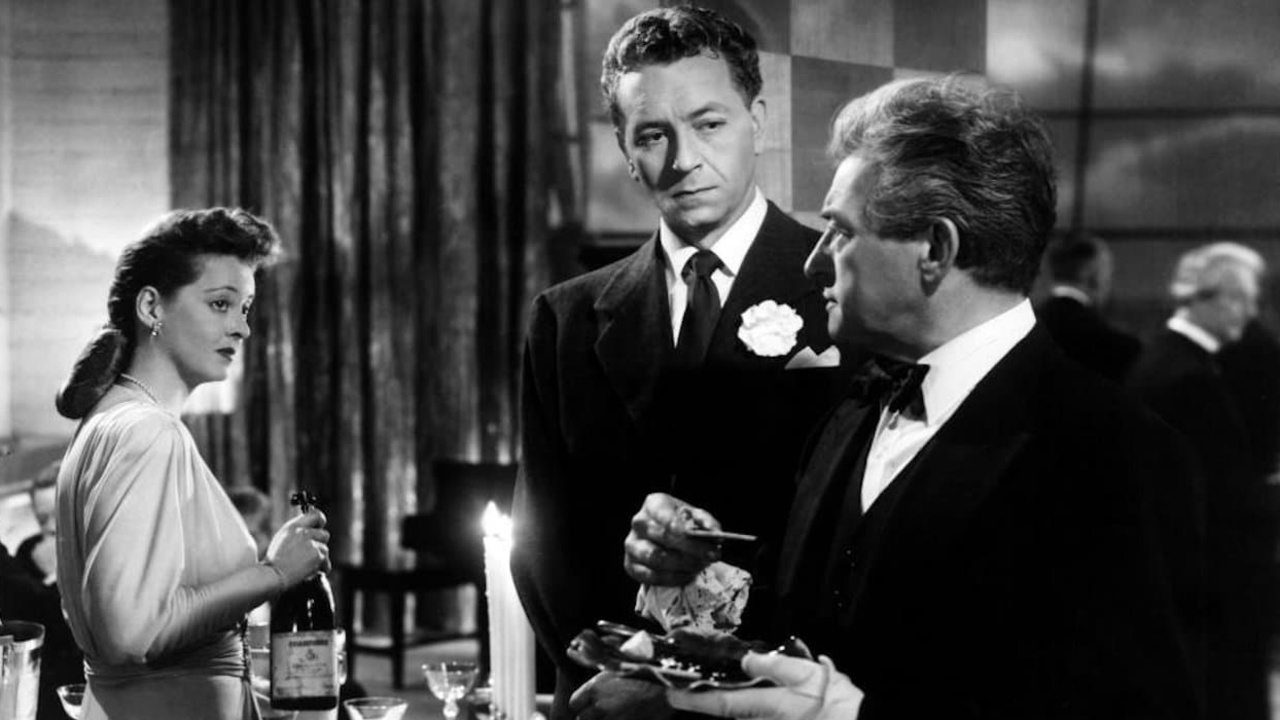
Nick’s notes: I quite liked this! The performances of the three leads are excellent – even if strangling Bette Davis makes Paul Henreid a particularly unlikable protagonist. Rains chews the scenery to delightful effect (and I could watch a whole movie of Rains just ordering food in a fancy restaurant: “trout” and “woodcock”). The production design is sumptuous throughout and the central concerto, courtesy the great Korngold, is especially memorable.
Brad’s notes: Now, Voyager is one of my favorite films of all time, and a lot of that has to do with the performances of Bette Davis, Claude Rains, and Paul Henreid. Deception puts them together again, and the results are improbable and tedious. Once again, Davis falls in love with the wrong person, but this time she makes the mistake of sticking with him – and killing off Claude Rains to boot! Yeesh!
NUMBER EIGHTEEN
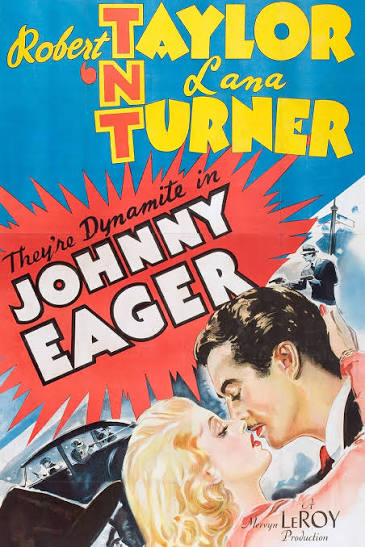
Nick played JOHNNY EAGER.
Robert Taylor has got charisma. Lana Turner smolders. Van Heflin steals every scene. Edward Arnold is at his malevolent best. But the plot feels so trite and so corny; the hardened criminal learning to listen to his heart and his conscience. And at an hour and fifty minutes, it feels ponderous. Really more of a character study than a proper narrative film.
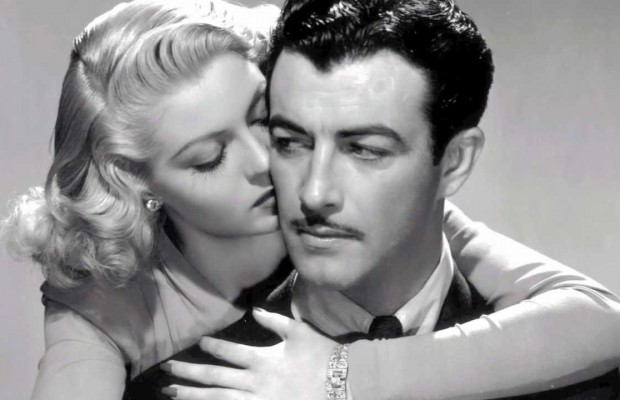
Brad’s notes: This doesn’t feel like noir to me so much as crime melodrama – too much MGM gloss, too much humor, and Robert Taylor’s pencil mustache makes me giggle – but it’s really fun melodrama, with lots of great actors showing up in smaller parts. And Van Heflin earns his Academy Award as a drunken cynic; perhaps his despair being the moral center of the film is what tilts this one toward noir.
Sergio’s notes: Van Heflin completely steals the show as the Fool to Eager’s Lear; Taylor is never convincing; technically it is incredibly well produced but Taylor’s casting sinks it – he was much better in THE BRIBE.
NUMBER SEVENTEEN
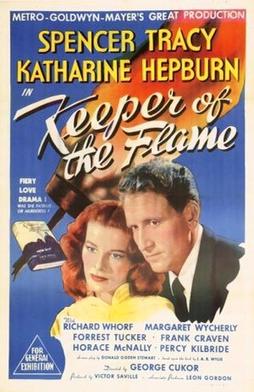
Brad played KEEPER OF THE FLAME.
There’s a part of me that feels this one shouldn’t be included: there’s so little of it in the Steve Martin movie that it isn’t even acknowledged. Tracy’s good as always in this, but Hepburn is somewhat insufferable. Louis B. Mayer was angry that it portrayed rich people as fascists, and others at the studio worried that it was too much like the life of William Randolph Hearst, a close friend of Mayer’s. Hedda Hopper called the film “Citizen Kane with all the art scraped off.” But is there a film on our list more prescient of what’s going on in America today? For that reason, it stays on the list, but I’m not going to let it get too high.
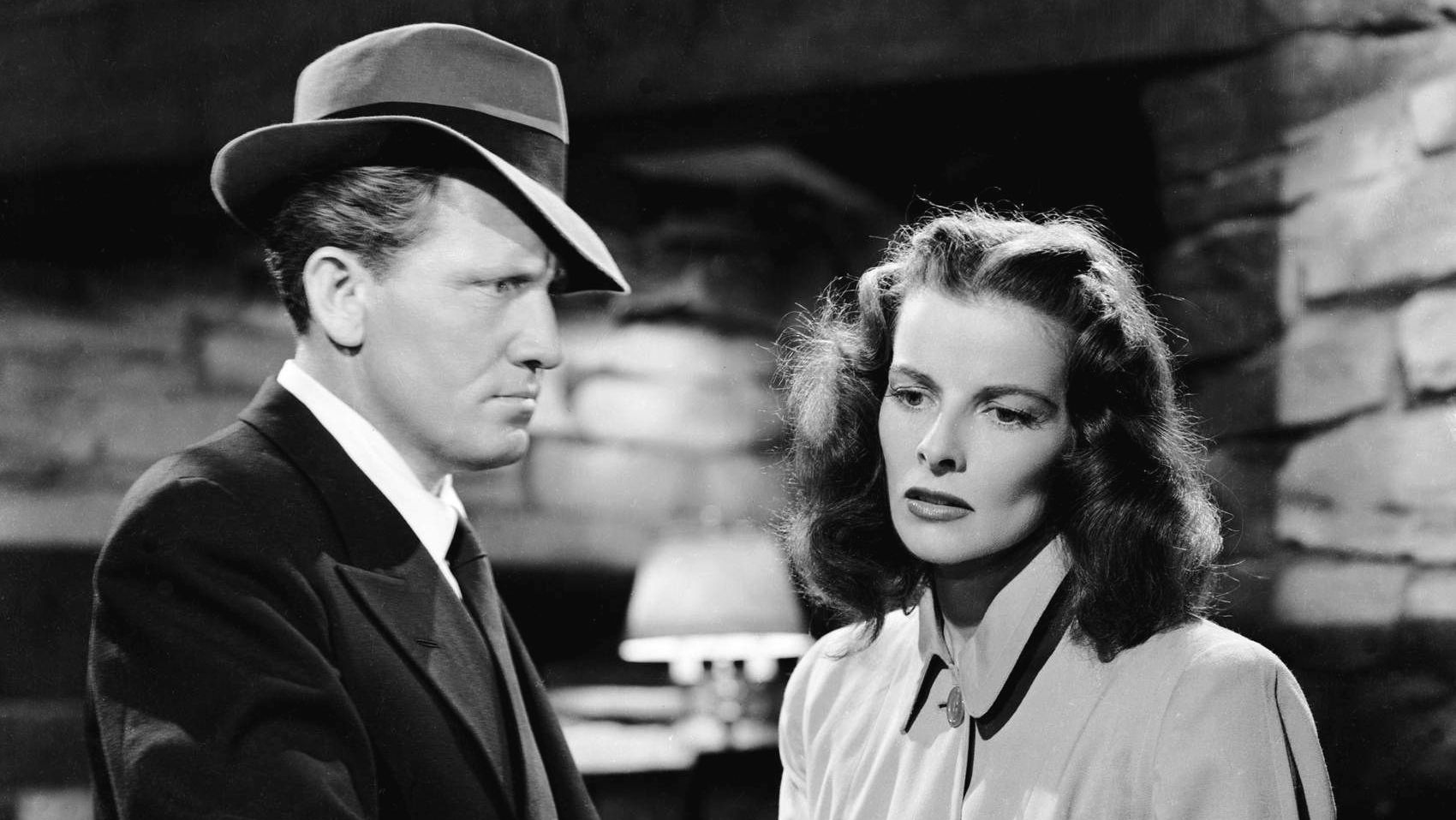
Sergio’s notes: An interesting propaganda version of CITIZEN KANE – the politics and the commentary on the slippery slope towards dictatorship in America do elevate it, especially today. But it is also a weird movie – made by lots of really talented people, none of whom really know how to make a political thriller.
Nick’s notes: Overwrought, for sure, but the atmospherics are positively Lewton-esque in many places. Margaret Wycherly is stellar in her scene-stealing performance, and there is sufficient intrigue to keep the viewer’s attention. The message of the film – important in 1942 and even more so today – feels a little too neat and tidy. But I appreciate the envelope pushing for the early 1940s.
NUMBER SIXTEEN
Sergio played HUMORESQUE.
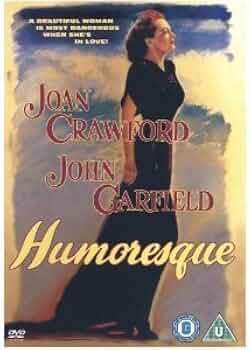
Looks great though it is all terribly silly. I thoroughly enjoyed it for its cast, great direction and some really hardboiled dialogue – but as a Noir it belongs down here, let’s face it.
Nick’s notes: One of the two films that I did not have an opportunity to watch or revisit for the draft. I’ll definitely be checking it out soon though!
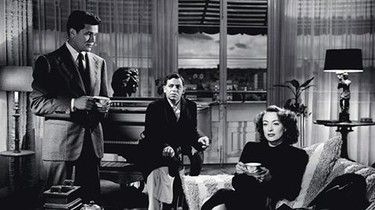
Brad’s notes: This is the second, and lesser, of two films on this list that John Garfield made in 1947. I consider this a romantic melodrama more than a film noir, but I also think Garfield is a terrific actor who brings a noirish darkness to all the characters he plays. This is the first, and better, of two Warner Brothers films starring a resident diva who falls in love with a musician. Normally, I like Bette Davis more than Joan Crawford, but the producers do something smart here: they don’t introduce Crawford until a quarter of the way through the film, and they let her be nasty and troubled and neurotic right to her tragic end. Personally, I think the film gets less interesting when she arrives, but her variation on a femme fatale is more interesting here than Bette Davis’ tormented heroine in the other film.
There’s a funny moment at the party where Paul (Garfield) meets Helen (Crawford): he has come with his best friend (Oscar Levant, who’s terrific here) for the chance of playing his violin in front of a bunch of swells, and a young woman grabs him and asks what he does. “I play violin,” he says. She responds over and over again that he looks just like a prize fighter. Did she foretell that Garfield’s next picture would be Body and Soul???
NUMBER FIFTEEN
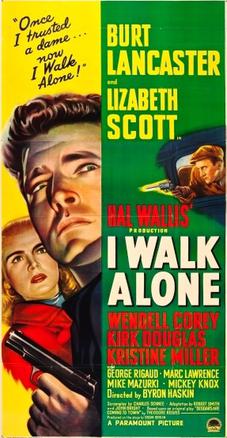
Nick played I WALK ALONE.
The central trio are all strong – I think I’ve come to like Burt Lancaster and it’s always fun to see Kirk Douglas as the bad guy – but the story did nothing for me. The film betrayed its stage bound origins with lots of coming and going from the club’s office, and the details of contractual fraud were not particularly exciting. Lizabeth Scott does have an incredible voice though.
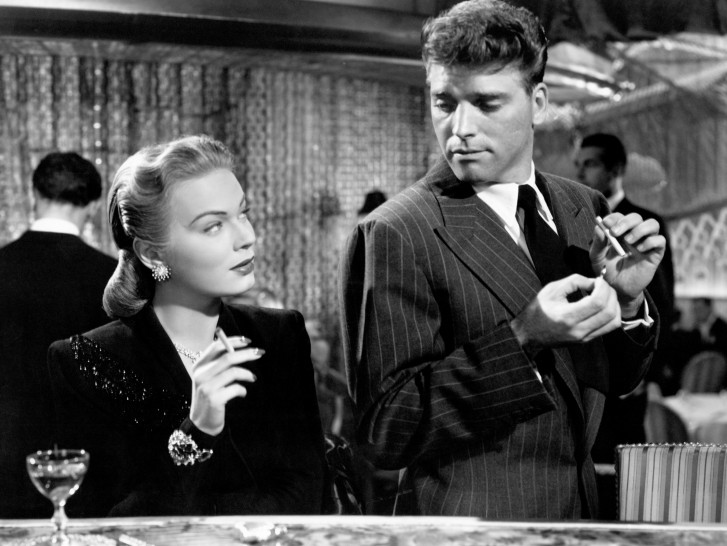
Brad’s notes: This was another first viewing for me. Burt Lancaster spends fifteen years in prison with the understanding that if his partner in crime, Kirk Douglas, succeeds, he will split his success 50-50 with his friend. Of course, that’s not what happens. A lot of this film is pretty standard, and it spends way too much time developing the romance between Lancaster and Douglas’ girl, played by Lizabeth Scott. Rumor has it that the two had once been romantically linked, but now Lancaster was so down on Scott that he had trouble with the kissing scenes. Douglas is good as always in a role that combines smooth charm and evil – but Out of the Past is a hundred times better than this. Wendell Corey is fantastic as a doomed accountant – but then aren’t all mob accountants doomed? The most fascinating scene in the film is when Lancaster demands that Douglas split his profits, and Corey explains how the corporate set-up of Douglas’ business makes that impossible. As one of Lancaster’s buddies says before deserting him, “Sorry, man, these days it’s all about the taxes.”
There’s a minor character here: Alexis, a jaded, perhaps perverse, society woman who wants to marry Douglas. She’s played by Kristine Miller, who claimed that this film was supposed to be her starring debut, but that Scott took the role away from her. It feels like Alexis was written by another writer, as her dialogue with everyone she talks to resembles that of Stanwyck and MacMurray in Double Indemnity. Example (Alexis talking to Lancaster):
“I’m Mrs. Alexis Richardson.”
“You say that like it was spelled in capital letters.”
“Sit down.”
“Are you telling me or asking me?”
“Please . . . You know, you’re quite an attractive man.”
“Keep going.”
“How far do you want me to go?”
“I’m at the plate – you’re doing the pitching.”
Sergio’s notes: Yes, we’ve seen it all before (usually at Warners in the 1930s) but Byron Haskin, returning to the director’s chair after two decades, makes sure it looks great and a fab cast. The scene where he explains the company structure is a classic and really elevates the whole films for me – it’s a turning point in the representation of the corporatisation of criminality.
NUMBER FOURTEEN
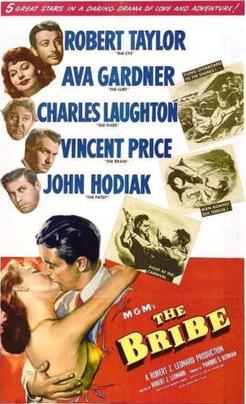
Brad played THE BRIBE.
This one is new to me, and I think I can safely say that I am not a fan of either Robert Taylor or MGM films noirs! Taylor tells the whole story in flashback, which is irritating in two ways: first, he tells the whole thing in the second tense!!! Secondly, he introduces this as if it’s going to be a dark story, but it’s much more of a romance with crime in it. In fact, the first half hour is all about how he and Ava Gardner fall in love. The rest of the cast is great, especially Charles Laughton, but also John Hodiak as Gardner’s drunken husband and Vincent Price, who only makes me wish Laura were on this list instead. The last three minutes of fireworks are terrific, but not worth wading through this slog of a film.
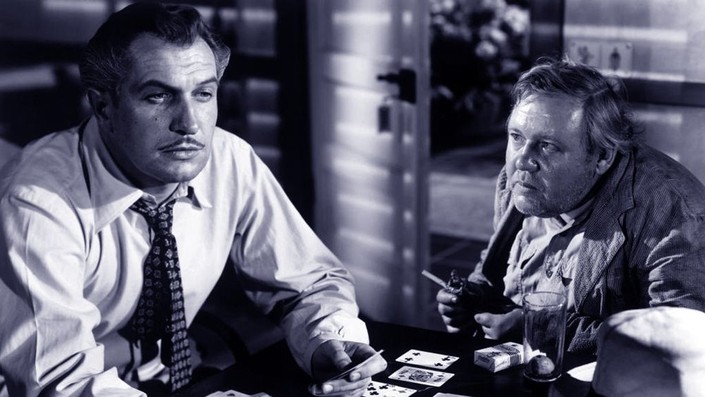
Sergio’s notes: First 55 minutes feel like he is watching the movie reflected in his bedroom window as he provides his own audio commentary for a DVD release But … it looks great and I quite like it. Yes, it has too many of voiceovers and is a bit overlong. But the cast is wonderful and it has a fab climax. Taylor way better here than he was in JOHNNY EAGER.
Nick’s notes: As a boy, I remember being very excited to check this out after seeing Plaid for the first time. I did not have a chance to rewatch ahead of the discussion, but my memory of this film is that all the best bits were used in Plaid. Otherwise, rather forgettable – despite the presence of Charles Laughton and Vincent Price.
NUMBER THIRTEEN
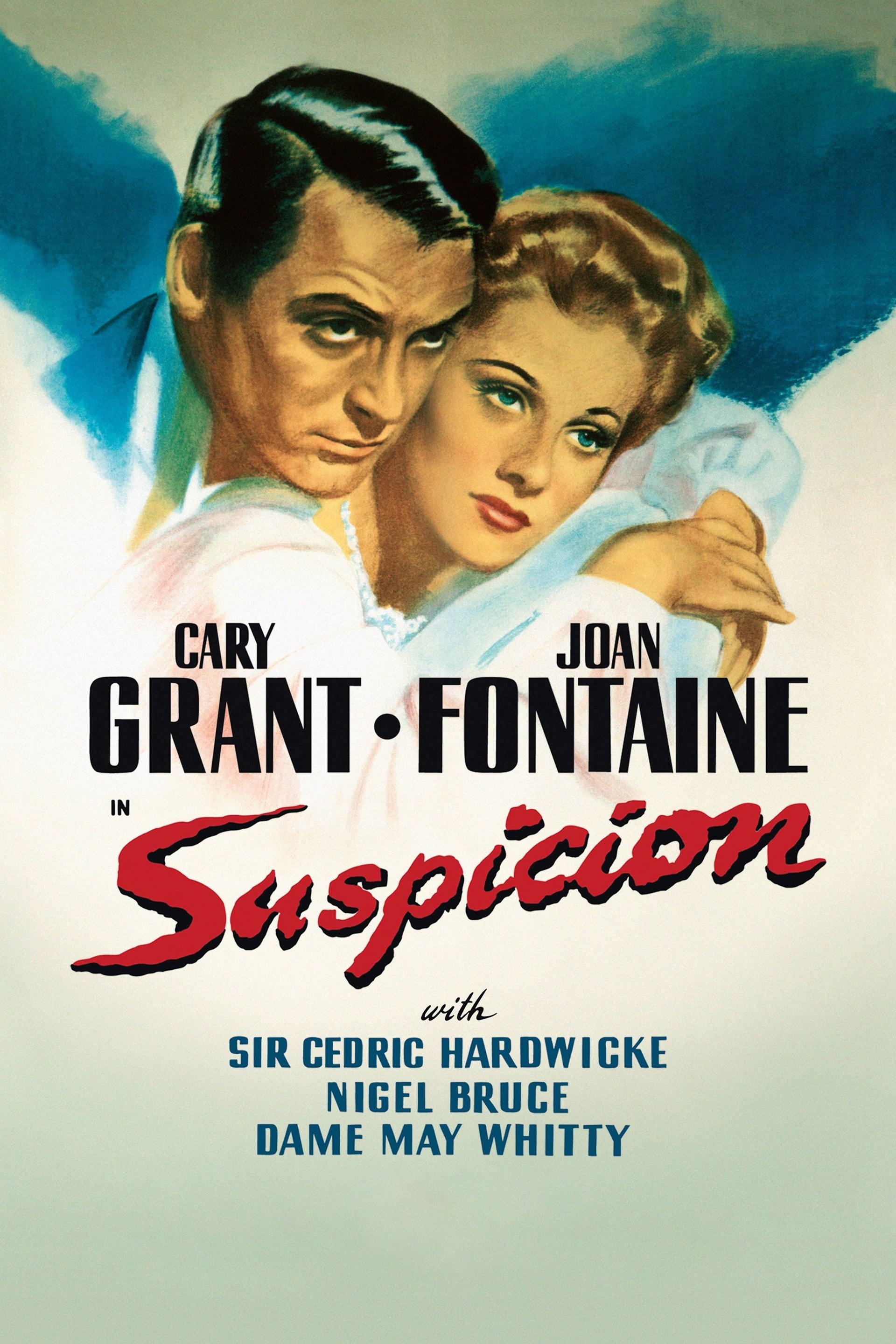
Sergio played SUSPICION.
A couple of great set pieces don’t a classic make. Not a favorite.
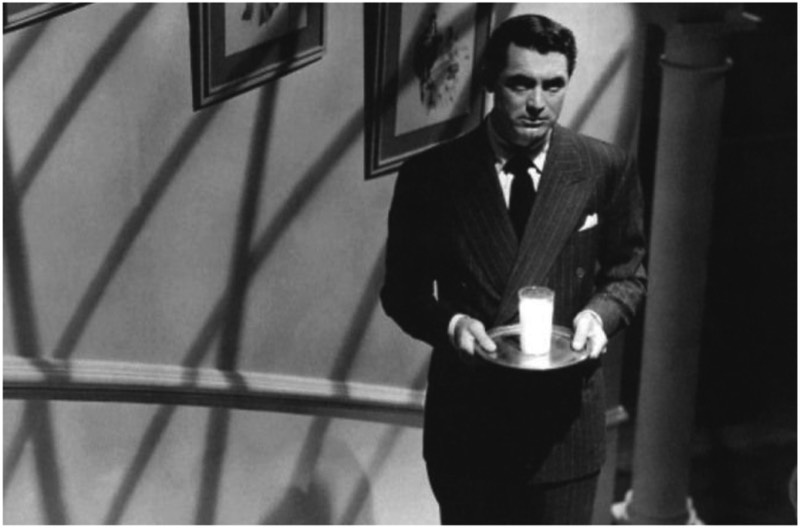
Nick’s notes: Joan Fontaine is excellent and Cary Grant is charming and makes the most of his character’s dubious character, but it is a film that feels singularly lacking in Hitchcockian touches. It moves at a stately pace, highlighting some striking and evocative cinematography, but at the end of the day, it is a compromised film; unable to really indulge in its darkest impulses. A fine “what-could-have-been” but relatively minor Hitchcock. I had it only a little higher on my list because after the fairly anonymous direction in other films on this list, watching a Hitchcock – even a minor Hitchcock – feels like a breath of fresh air.
Brad’s notes: I’ll never forgive the studios for forcing Hitchcock to neuter what could have been a nasty little thriller by tacking on a happy ending. And while I do love seeing Cary Grant be sinister for most of the film, I find Joan Fontaine’s worried wife to be tiresome.
NUMBER TWELVE
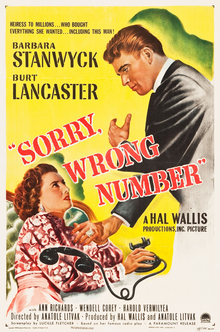
Nick played SORRY WRONG NUMBER.
Speaking of Hitchcock, I think there is a stellar episode of Alfred Hitchcock Presents, an admirable short film, lost in the middle of this movie. But sloppy construction – a flashback inside a flashback inside a flashback – and some ponderous plotting once we’ve gotten past the strong opening drop this down for me. There’s no wonder why I forgot so much of this film after having seen it only once many years ago. The bookends are stellar – everything else…pretty forgettable.
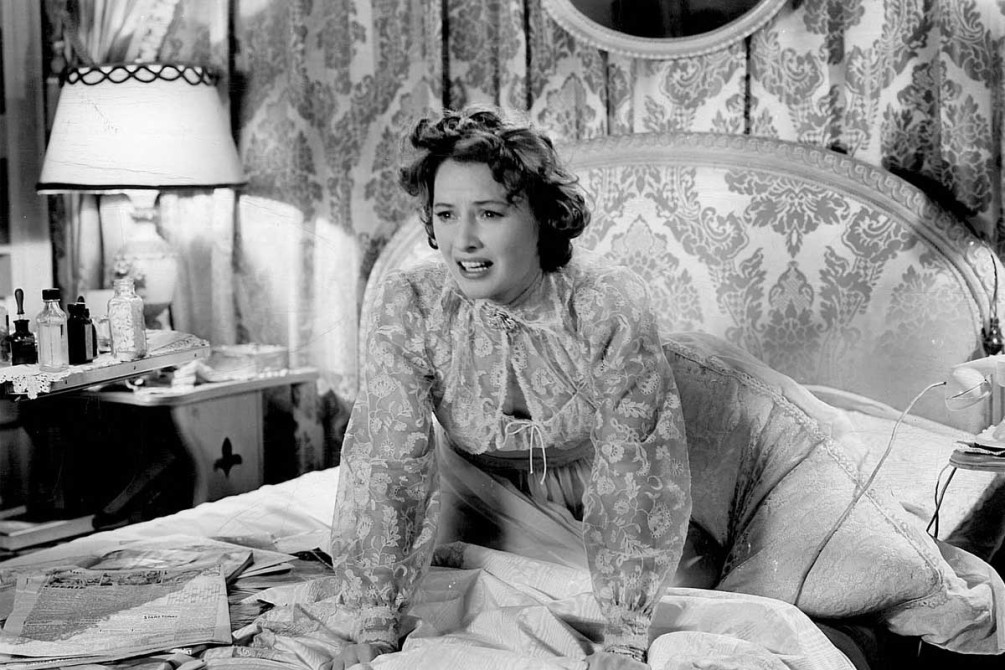
Brad’s notes: This works better for me when it’s on the radio in much shorter form. It feels bloated here, and while it’s over in 89 minutes, the flashbacks aren’t necessary, and the switch to other characters dilutes the power of what is essentially a one-woman showcase.
Sergio’s notes: So unusual in terms of storytelling, and expanded reasonably well from the classic radio play, that I have placed this fairly high – mostly for Stanwyck, the music and the flexible camera. It is a bit padded, inevitably, but the essence of the work is retained.
NUMBER ELEVEN
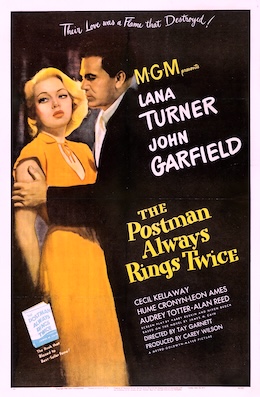
Brad played THE POSTMAN ALWAYS RINGS TWICE.
I guess this is a classic, but it bugs me. I blame a lot of that on MGM, which imposes a turgid score all over this, and the Hays censors, which neuter the sexuality and perversity of the novel. It’s hard not to compare this to Double Indemnity, which is so much tighter and clearer a story. I place this just above Humoresque, the other John Garfield film on this list, but I like Garfield more in that movie. Lana Turner is beautiful, but the ins and outs of Cora and Frank’s partnership grows tiresome here. Maybe it’s the casting, but it makes no sense to me that Lana Turner would marry Cecil Kellaway so that she can own a diner in the middle of nowhere. I love Kellaway, but Nick should have been portrayed as a likable, swarthy Greek, like in the novel, and then his marriage to Cora would have made more sense.

Sergio’s notes: Amazing that it got filmed at the time – the two leads are superb as are Ames and Cronyn as the lawyers. Inevitably hobbled by censorship, this was a highly unusual release from MGM by Tay Garnett was absolutely the right director.
Nick’s notes: Comparisons to Double Indemnity feel inevitable if not entirely fair. Postman manages to feel more romantic in its first act, and Lana Turner stuns throughout. John Garfield is particularly wooden and he never manages to convince as either the psycho drifter or the good-guy-gone-bad. Cecil Kalloway and Hume Cronyon are operating at their very best. But what a cheesy ending!
NUMBER TEN
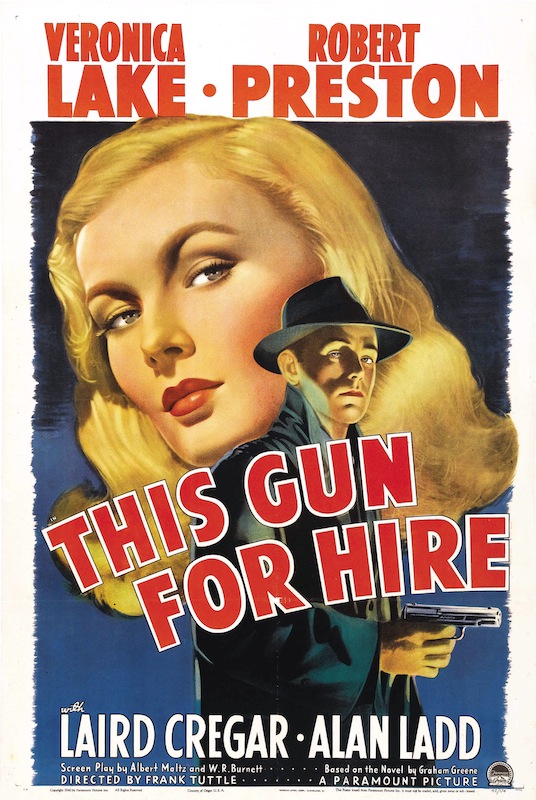
Sergio played THIS GUN FOR HIRE.
Darker than you think it might be (unless you’ve read the novel) and Ladd is clearly a standout – the psychosexual subtext is still very surprising and the frisson with Lake is palpable.
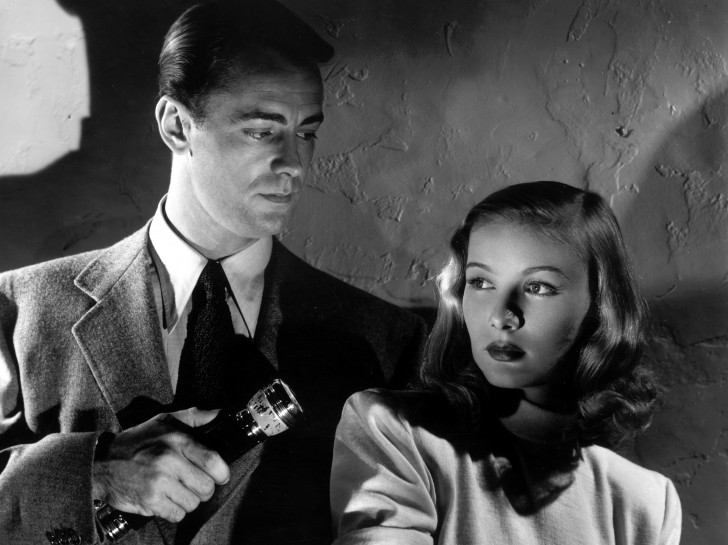
Nick’s notes: A fast-moving first half with a surprisingly modernistic dovetailing of plots led to a rather flat chase movie. Shocking precisely no one, I loved Laird Cregar in this and the short gothic interlude (complete with Swan Lake on the soundtrack) was a genuine highlight. The gas mask finale is also suitably striking and a few of the stunts – the train yard shootout and escape – also well done.
Brad’s notes: The background story of this one is so much hokum – war profiteers selling weapons to the highest bidder – and has lost some of its meaning since the time in which it was made. But what’s so good about this film, based on a novel by Graham Greene, are the performances of Alan Ladd in his film debut as a sympathetic psychopathic hit man (hey, he was abused as a child and he loves cats!) and Veronica Lake as a club singer/magician who is roped into working for a man (Laird Cregar, channeling Sidney Greenstreet) who the Feds suspect of being a traitor to his country.
NUMBER NINE
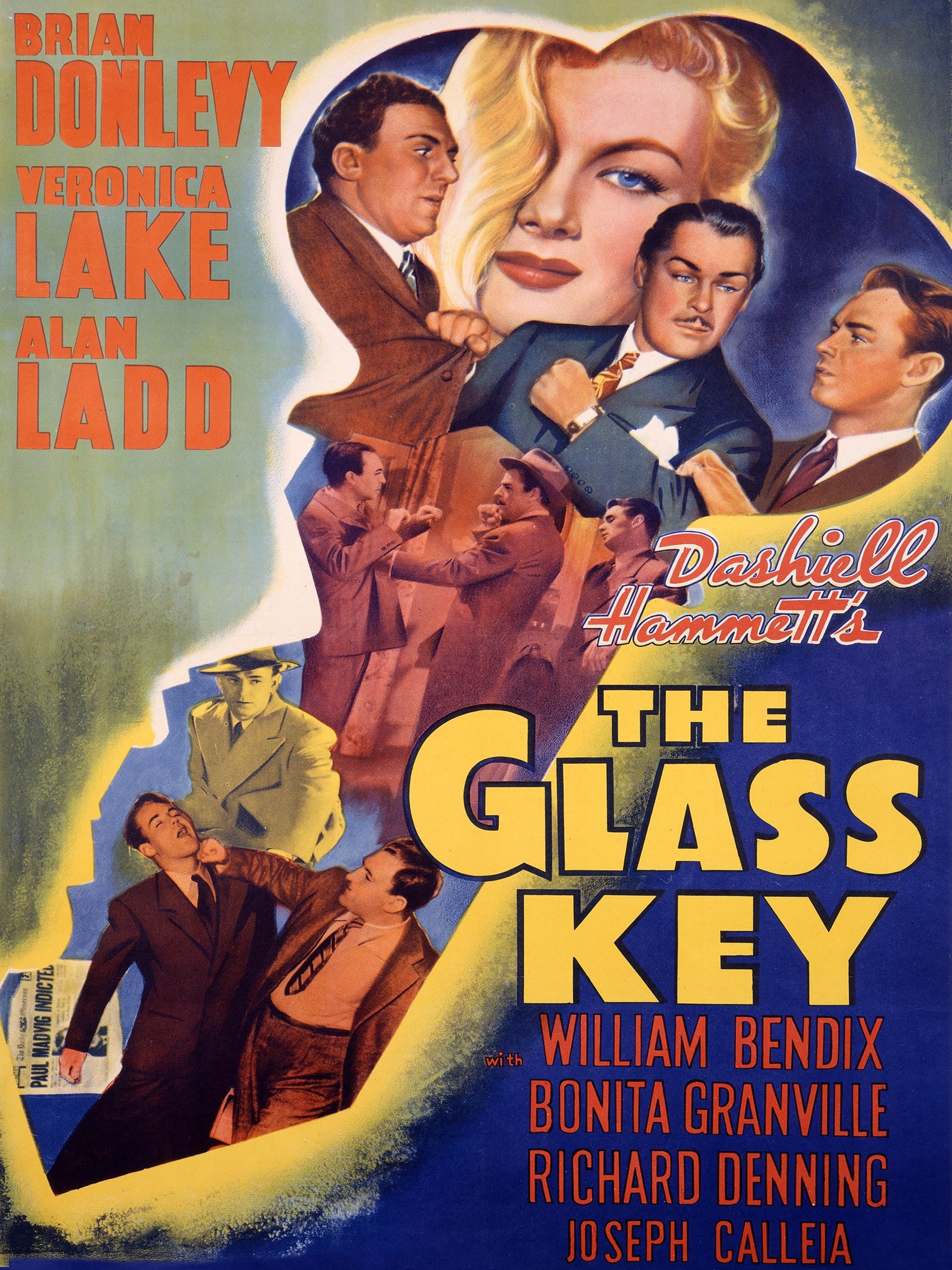
Nick played THE GLASS KEY.
An interesting depiction of crime and government, but feels particularly naive in its presentation of the cartoonishly evil gangster types. Maybe that was just the performance of Brian Donlvey though; I have never really gotten on with him as a movie star (see also his two turns as Professor Quatermass). There was a brutality to this film that felt decidedly more modern than the standard for the era, and the William Bendix performance steals the show.
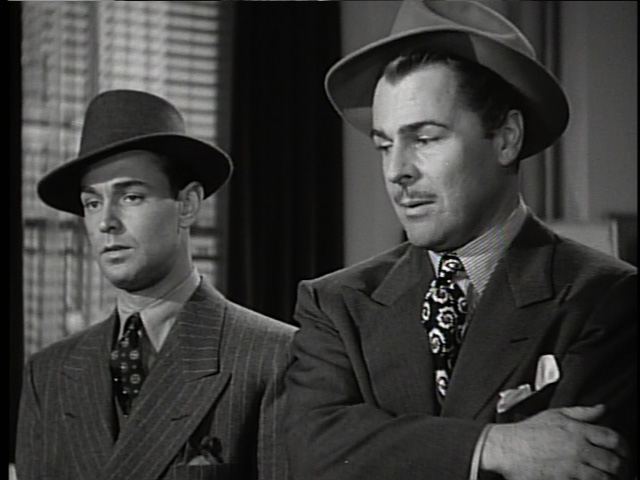
Brad’s notes: I think I like Alan Ladd better in This Gun for Hire. His cold eyes/fixed grin routine seems mannered here. But this is the better movie, based on the only Hammett novel I haven’t read. The central friendship between Ladd’s Ed Beaumont and Paul Madvig (the sensational Brian Donlevy) anchors the film, which is really all about what wonderful men and friends they both turn out to be. Veronica Lake is fine as the girl they both love, and William Bendix steals the film as the requisite psychopathic thug. This was a first-time watch for me, and while it’s no Maltese Falcon or Thin Man, it’s a solid noir.
Sergio’s notes: A terrific adaptation of the Hammett – one just wishes it could have been 15 minutes longer to really convey the complexities of the novel. Ladd is encouraged to smile a lot, which is overdone, and Donleavy is sometimes portrayed too comedically, but this is a superb story very well realised. A great companion to that superb rip off that is Miller’s crossing, that is able to provide a tougher, less censored version of the same material.
NUMBER EIGHT
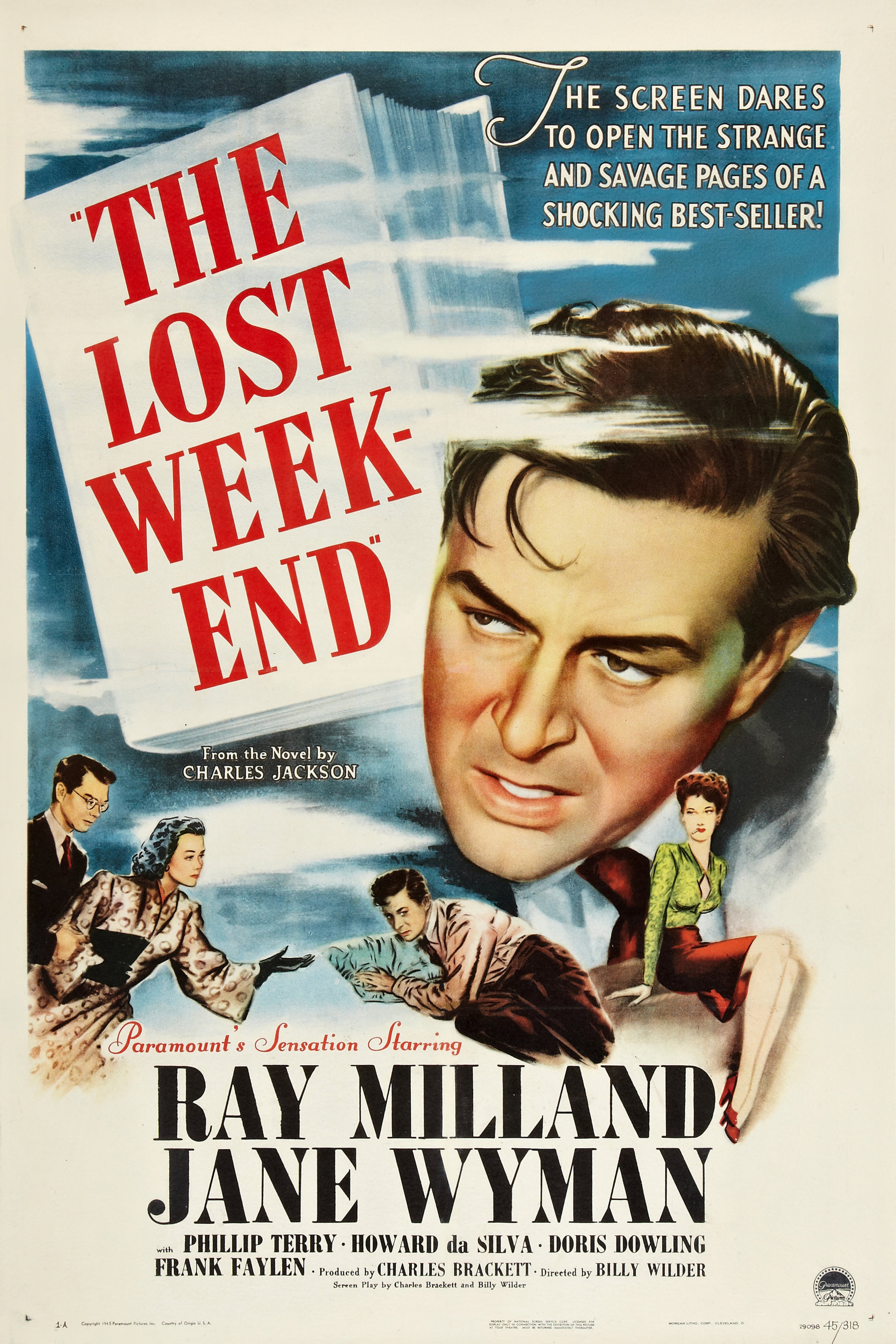
Brad played THE LOST WEEKEND.
For personal reasons, I do not seek out films to watch that deal with addiction. I couldn’t rewatch this one, and I do think some of it is dated. But for its time it is a frightening and brave depiction of a man in the throes of alcoholism. Ray Milland gives his best performance. I’m not a huge fan of Jane Wyman, but she’s good, and the supporting cast (Philip Terry, Howard da Silva, Frank Faylen) is terrific.
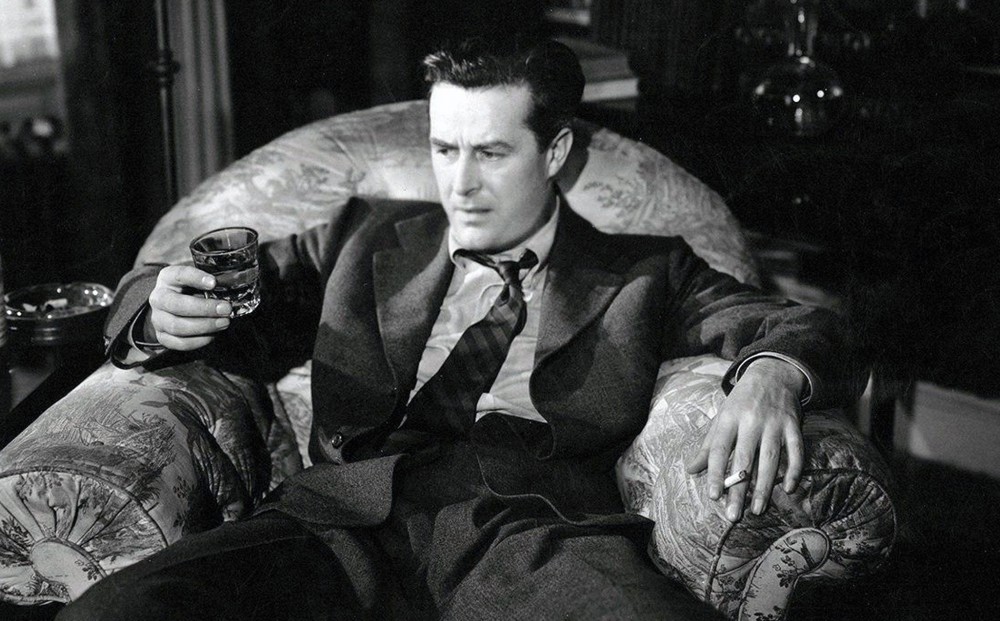
Sergio’s notes: It feels a bit dated now, if truth be told, but much of it retains its power to shock and persuade. A sensationally and brave film for its time, deserves to be remembered a letter better than it is.
Nick’s notes: An “issues picture” that manages to convey its message without the usual heavy-handed posturing. At its best when Ray Milland is tearing through his apartment while Miklos Rozsa’s score bangs away on the soundtrack, at its worst during a few of its more heavy-handed drama sequences. Milland is really excellent throughout and manages to elicit both audience sympathy and disgust. (He’s also gifted a copy of the new Agatha Christie in the beginning of the film. Some rudimentary research led me to conclude that it was probably a copy of Towards Zero. Jane Wyman’s got good taste.)
NUMBER SEVEN
Sergio played DARK PASSAGE.
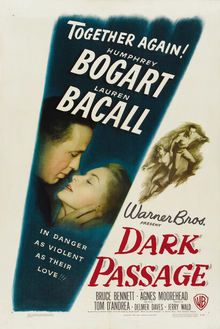
Eccentric in almost every way, technically a bit of a marvel (especially the POV opening and the shot through a glass fllor) if not ever remotely persuasive as being a story about anything resembling real people. Moorhead steals the show – of course. But felled by curtains – really?
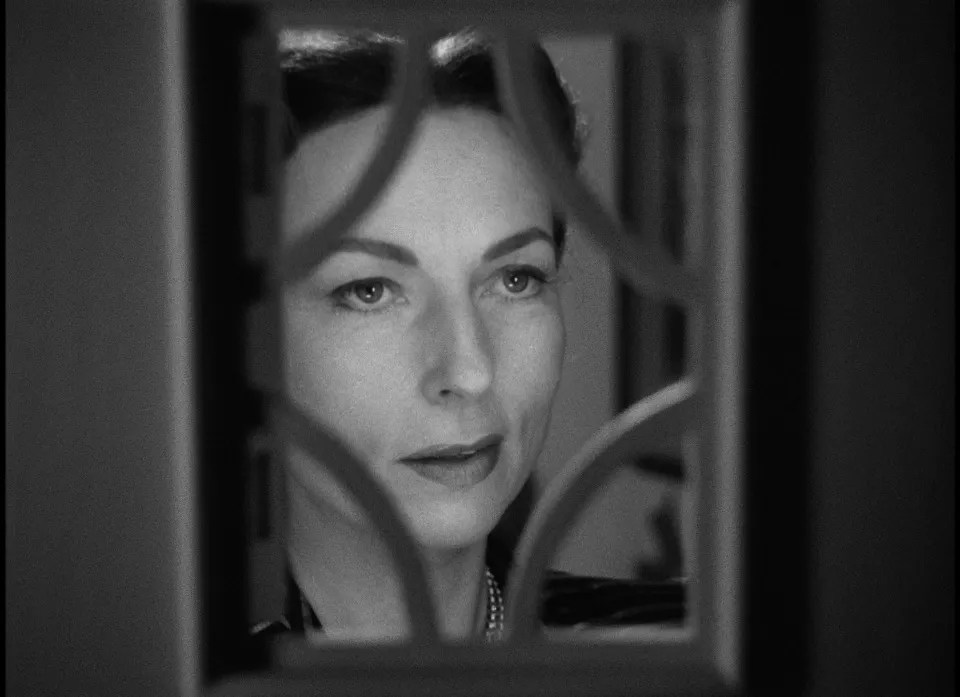
Nick’s notes: Sort of the platonic ideal of what you want from a noir of the era. Striking cinematography – including all the first person POV scenes – beautiful lighting, a potboiler plot, and Bogart and Bacall smoldering at one another. The first half is more engaging than Bogart on the run, though the backend is enlivened with a few moments of genuinely eye-popping violence for the time: an attempt to claw out eyes and a body nightmarishly crashing through a window. The film’s nightmare sequence itself is also a highlight, done with real Grand Guignol flair.
Brad’s notes: I’m a huge fan of this one, for its San Francisco setting, for the Bogey/Bacall vibe, for the first act that is shot from Bogey’s POV, and most of all for Agnes Moorhead’s brilliant take on evil. I had this a little higher, but I understand Sergio’s point: the films we have yet to play are more important examples of noir and simply better films.
NUMBER SIX
Nick played THE BIG SLEEP.
Sergio vetoed it.
In its place, Nick played THE KILLERS.
Brad vetoed it.
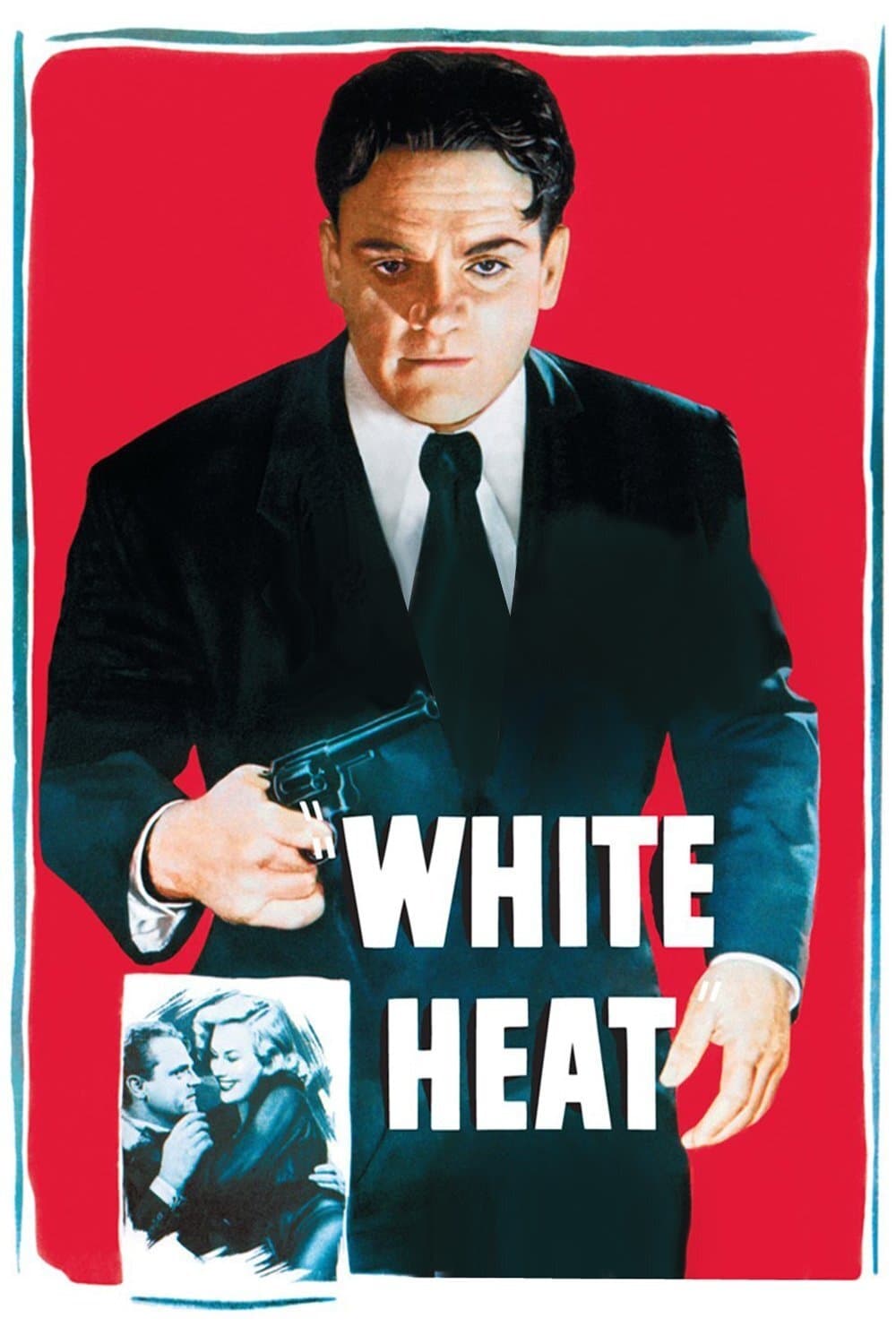
Complaining of a lack of fairness, Nick played WHITE HEAT.
I always love a “man-undercover-in-a-criminal-organization” plot and White Heat is one of the best. It’s made even better by a really ruthless, dangerous performance by Cagney. Gone are the days of The Public Enemy and Angels With Dirty Faces. Here, he’s an actual madman, and Cagney turns in a brilliant – if rather broad performance. The scene in which he discovers that his mother has died is both horrible and gut wrenching. It may very well be the hardest-edged of all the classic gangster films and the explosive finale is chilling and brilliant. Made it, Ma!
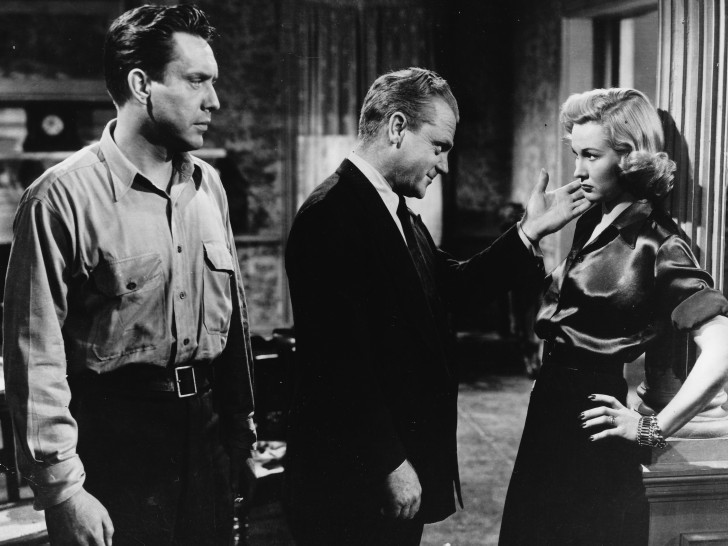
Brad’s notes: I’ll admit this probably deserves to be higher up, as it’s one of the greatest gangster movies of all time. I just happen to personally prefer the ones I’ve placed above more. Cagney proves he’s got one last great psychotic criminal in him, and Edmond O’Brien is fine as the cop who goes undercover to bring Cagney’s Cody Jarrett down. That sequence of O’Brien ingratiating himself to Cagney is my favorite part of the film.The great find for me here is Virginia Mayo as Cody’s sardonic wife Verna. How can you not cheer when she kills Ma Jarrett?!? Great, fast-paced film; in fact, it’s top of the world!
Sergio’s notes: A great return to gangster form for Cagney. It’s more about the insanity of the hoodlum and less about any genuine angst – thus less noir, hence its slightly low ranking on my list.
NUMBER FIVE
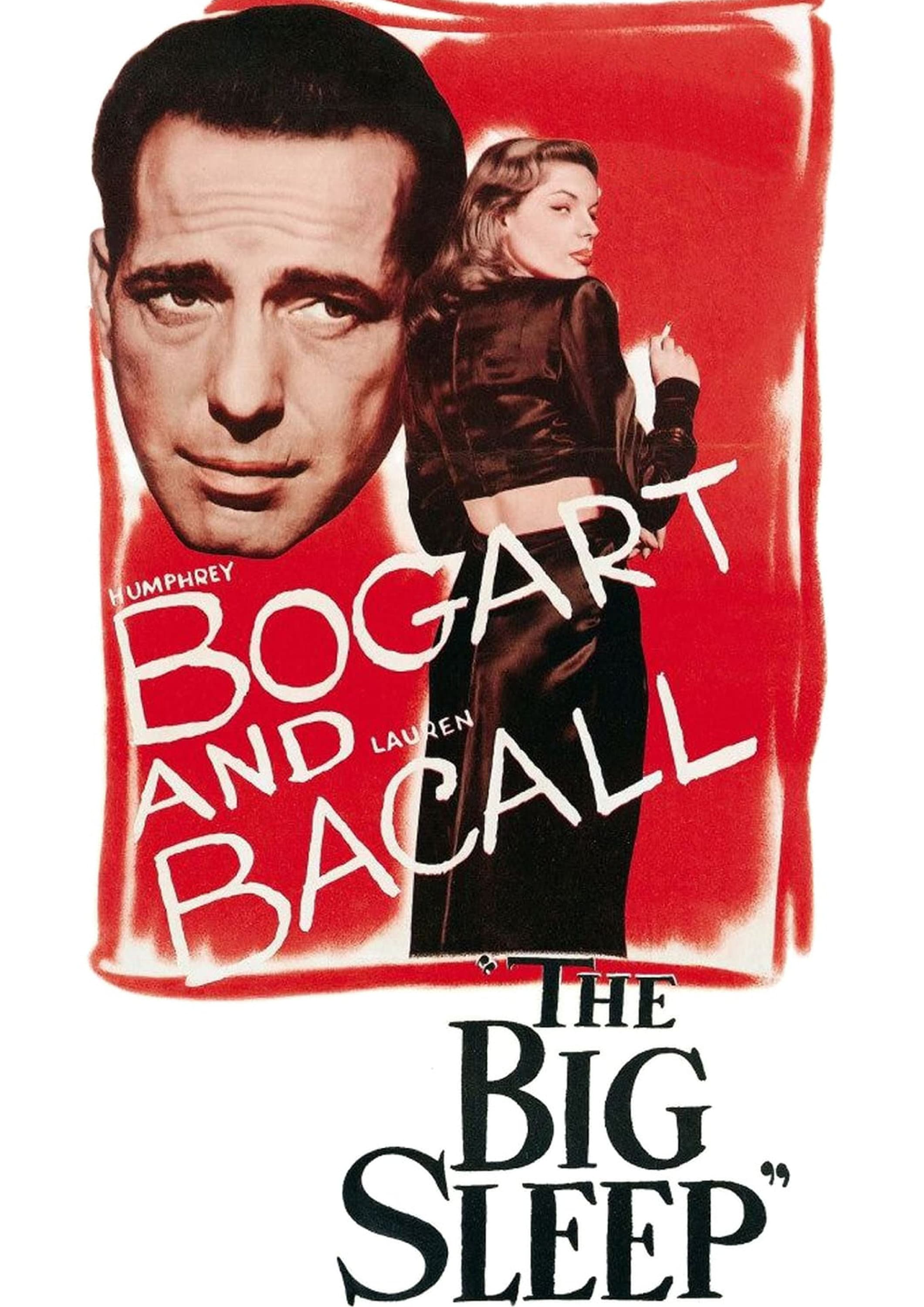
Brad played THE BIG SLEEP.
I finally dipped into Chandler and read the book last month. And then I went back and watched the movie. And here’s the problem . . . it’s a great movie! It’s a great noir. But the fact is that when Warner Brothers set out to make the film, the novel was, at best, secondary in their thoughts. What they were looking for was a reunion between Humphrey Bogart and Lauren Bacall that would heat up the screen the way their debut pairing, To Have and Have Not, had done.
In order to accomplish this, the role of Vivian Sternwood had to be reconceived as, basically, the heroine of the story. And so Bacall shows up in scenes from the book where she has no right to be (like Joe Brody’s apartment), and in the scenes where she does belong, the dialogue between her and Marlowe is expanded and altered to reflect a growing fondness between the pair.
The last time I watched this film, I appreciated all those scenes because I do like Bogie and Bacall together. This time, though, I felt mildly irritated. When Bacall wasn’t on the screen, I enjoyed myself, although the sterilizing of the seamier sides of the book also galled. (Marlowe’s rescue of Carmen in Geiger’s home makes much less sense when she’s fully dressed.) So while this was #4 in my original list, I’m taking it down a few pegs, purely as a matter of timing with my reading of the book. Ask me again in a few years if I care so much.
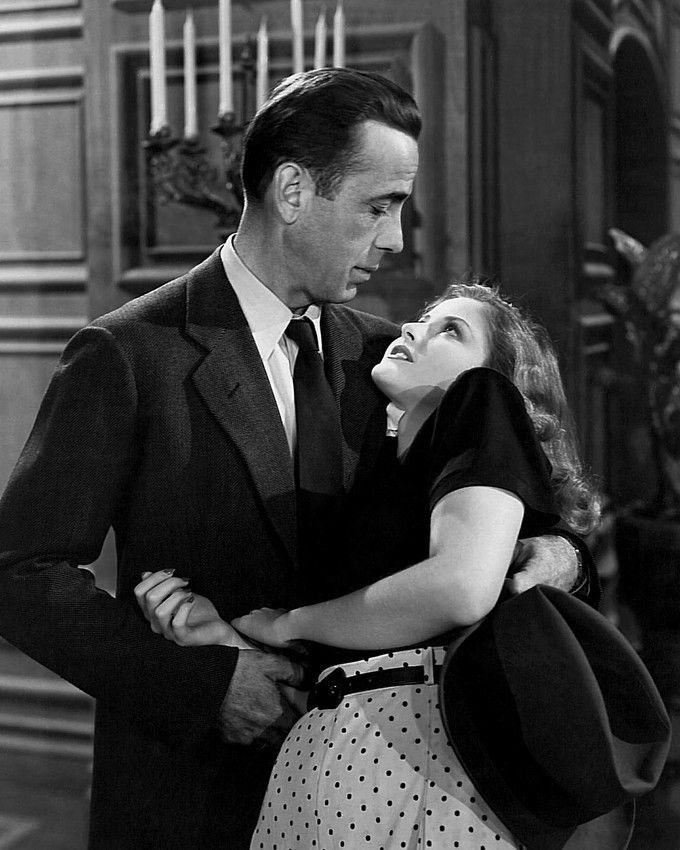
Sergio’s notes: Great screwball noir if not exactly a great adaptation. Murder My Sweet is the definitive Philip Marlowe film – this is a great Bogart and Bacall movie. Personally I prefer the original cut but it deserves its place here not least for its remarkable supporting cast (Martha Vickers and Dorothy Malone alone are worth the price of entry)
Nick’s Notes: Bogart has charisma to spare as Marlowe (even if he is not many readers conception of the character) but the labyrinthine plot is not well-served by a film team hampered by the production code. The film is best enjoyed for its cool vibes and its set pieces: shootouts and seductions (the scene between Bogart and Dorothy Malone is still, after all this time, a bravura moment) and the way that Bogart and Bacall, perhaps inexplicably, are electric together on screen.
NUMBER FOUR
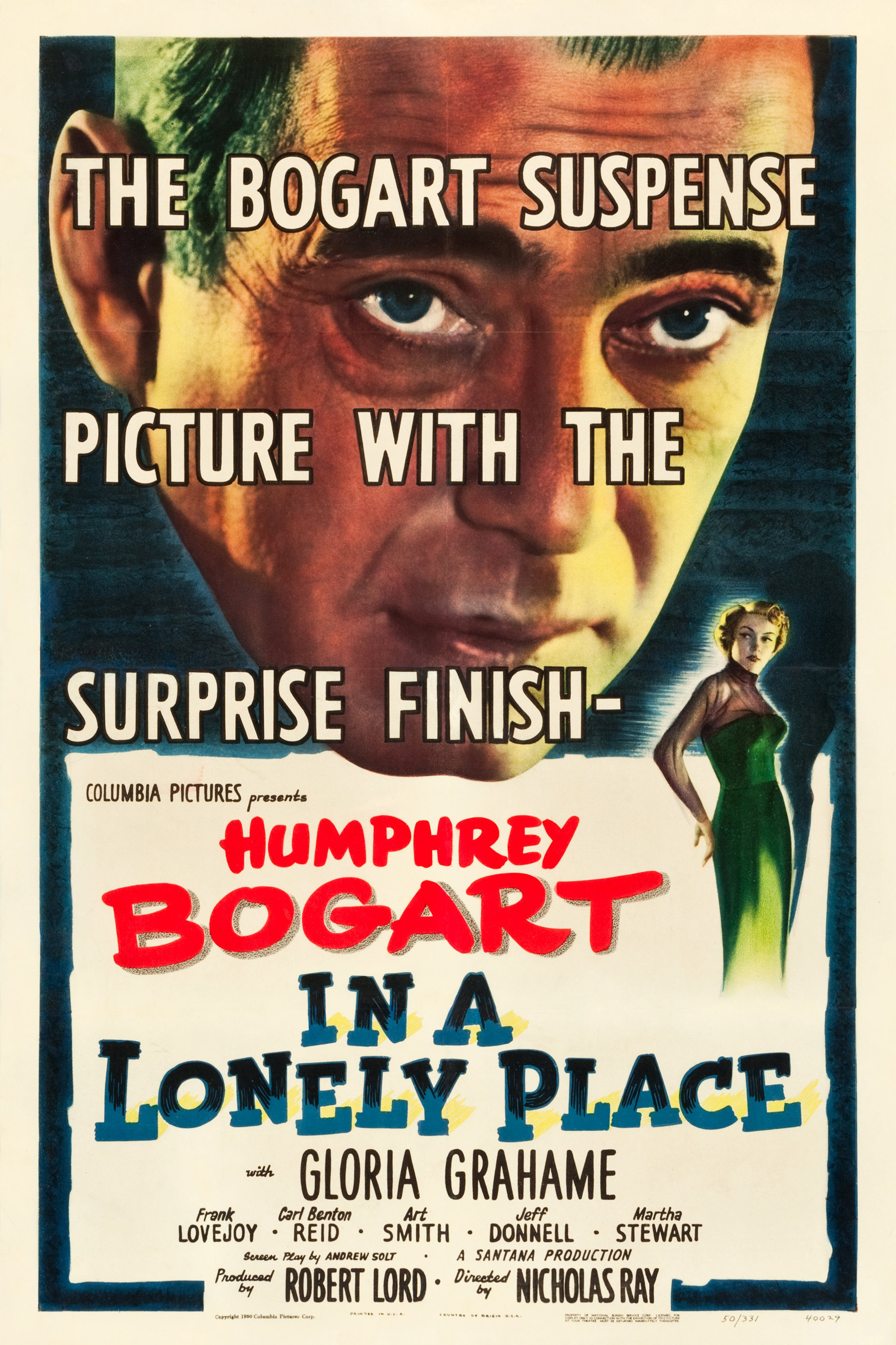
Sergio played IN A LONELY PLACE.
One of Bogart’s darkest roles – another bleak romance, weirdly set in the Hollywood community but quite remarkable for its poetic depth of feeling and utter bleakness. It doesn’t matter whether Dix is innocent or not – he could easily be the killer (as he is in the book).
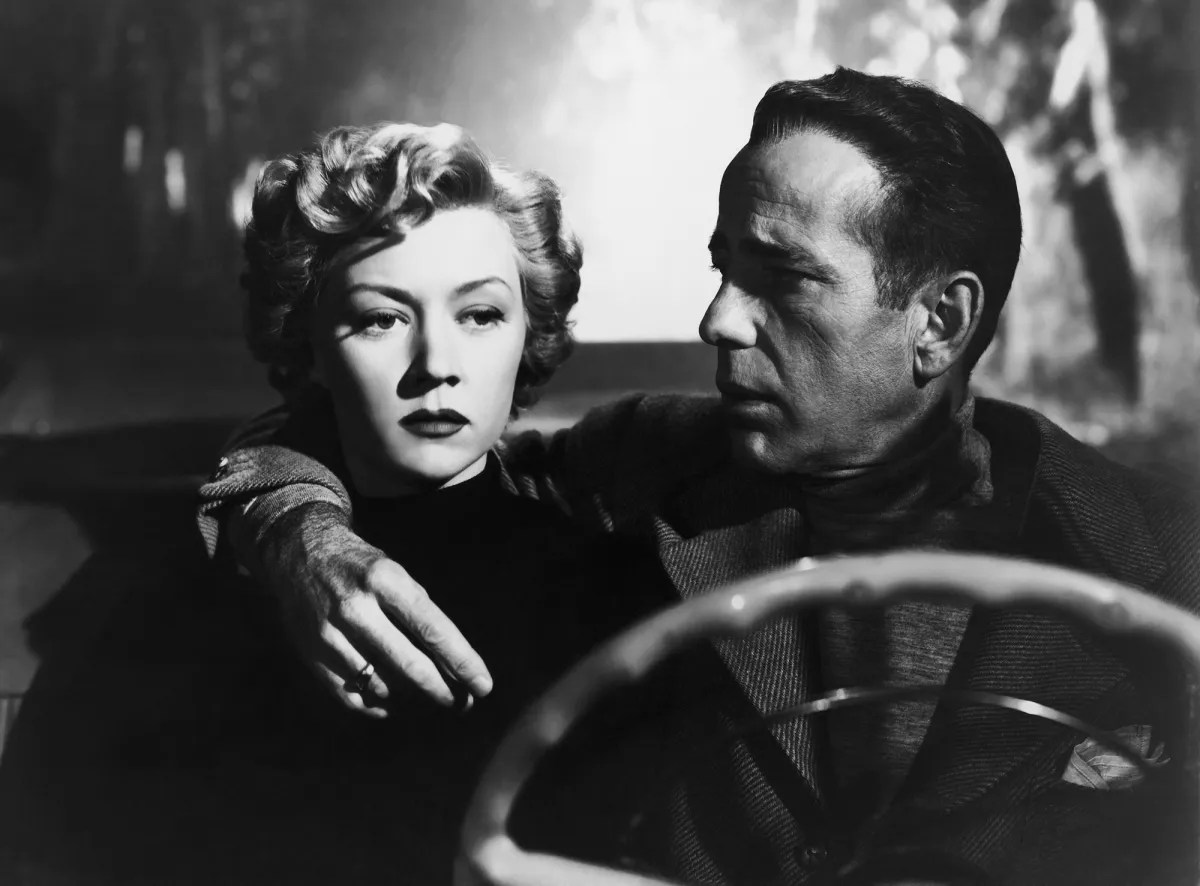
Nick’s notes: Frankly surprising and ahead of its time exploration of toxic masculinity. Bogart is excellent – the scene describing the strangling is an obvious highlight – as is Gloria Grahame. The portrait of the rotten underbelly of Hollywood is potent, but outdone by Sunset Boulevard. It moves to a genuinely powerful climax.
Brad’s notes: This may be the darkest film on the list. It has problems with pacing, but I love Gloria Grahame as a good girl, and Bogey is alternately terrifying and pathetic. I’ve already written a lot about it here, so I’ll just say that the plot almost doesn’t matter, it’s all about characters and tone, which is dreamlike and incredibly frightening, as if we’re living in Bogart’s nightmare.
NUMBER THREE
Nick played THE KILLERS.
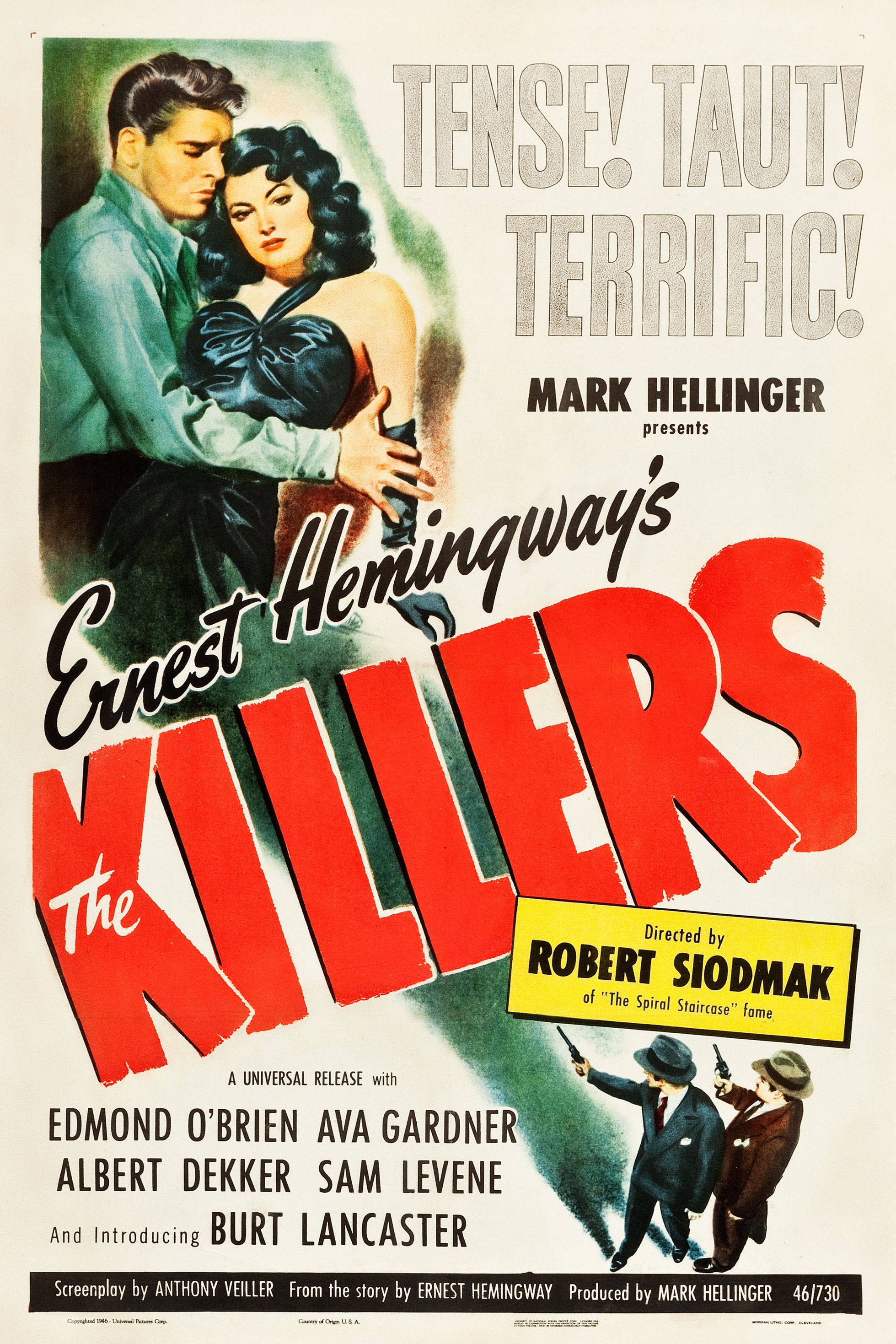
“Don’t ask a dying man to lie his soul into hell.” A strong, complex plot is complemented by a strong technical hand in Robert Siodmack. The one-take during the robbery and the moody, studio-bound funeral scenes are obvious highlights as is the opening section en totale; a sequence that is worth the price of admission alone. The flashbacks are told in chronological order, but it does not diminish the story nor the power of the performances from both Ava Gardner or Burt Lancaster; incredible in his feature film debut.
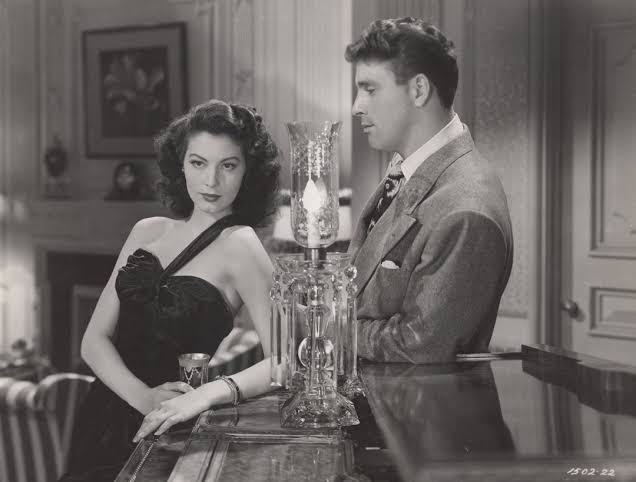
Brad’s notes: Quiz question: what do Ernest Hemingway and Agatha Christie have in common? Answer: they both mostly hated how the film industry handled their stories. But Hemingway loved this adaptation of his story. This film, which was also my own Number Three, is such a classic that it almost feels like a pastiche of film noir. The opening especially is brilliant as it chronicles the death of “The Swede” with Lancaster limply accepting his fate. But then the opening encompasses all of Hemingway’s tale, after which the film veers into original territory, reminiscent of Citizen Kane with its brilliantly varied use of flashbacks to fill in Ole Anderson’s sad story. Burt Lancaster is terrific in this, his film debut. I like him more in this than in I Walk Alone and just as much as in Brute Force. Edmond O’Brien is also great as the Everyman hero who tracks down the truth while paying off a $2500 death benefit. Arguably the four best women in noir are Phyllis Diedrichson, Kathie Moffat, Debbie Marsh . . . and Kitty Collins. Ava Gardner doesn’t even have much screen time in this, but she epitomizes the femme fatale as the woman who brings a whole slew of men down.
Sergio’s notes: A superb film, the closest the cinema has come, in its opening section, to bringing Hemingway genuinely to life. It is beautifully shot by Woody Bredell and executed (see what I did there) in sensational fashion by Robert Siodmak. Lancaster makes an incredible debut, the first in a long series of tarnished and emasculated men he played in the early years of his career.
NUMBER TWO
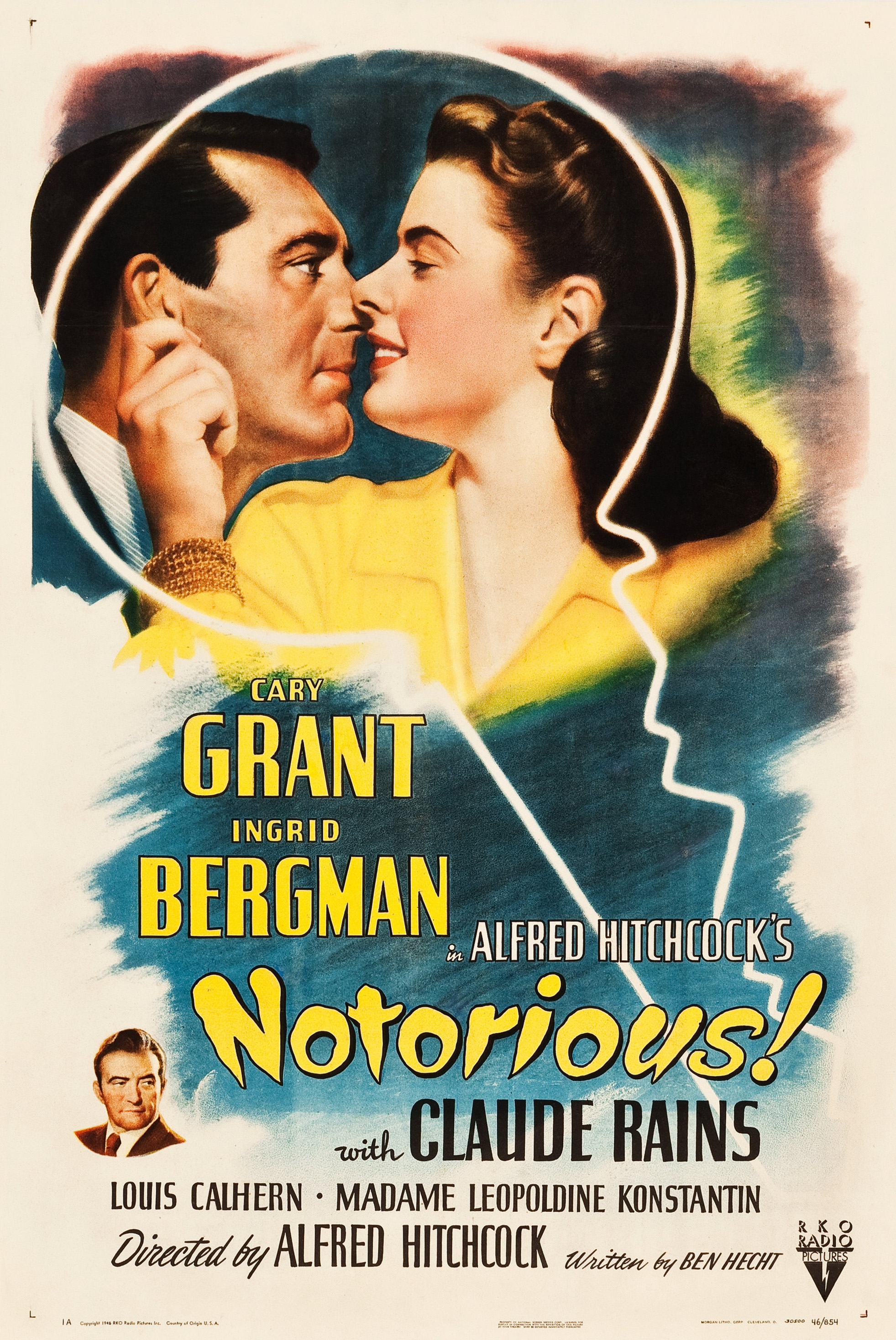
Brad played NOTORIOUS.
This is one of my top five Hitchcocks, and I wrote more extensively about it here. Cary Grant is not my favorite actor, but this one always makes me love him – for his darkness and his courage to toss aside his trademark glamor. Bonus: Claude Raines as a loveable Nazi! Madame Constantine as the progenitor for Norma Bates. And probably my favorite Ingrid Bergman performance of all time.
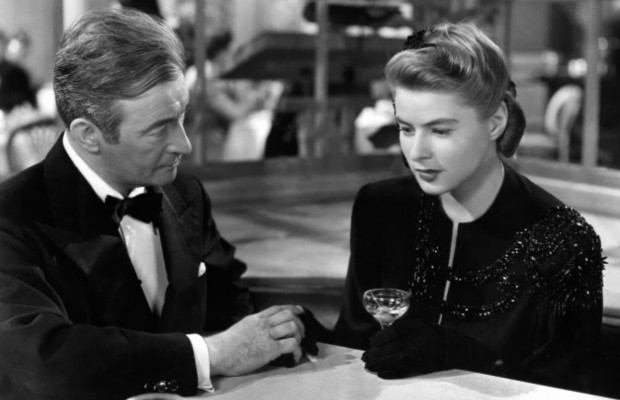
Sergio’s notes: One of Hitchcock’s finest, an unforgettable dark romance. Beautifully realised and with a perfect triangle of actors. This will always be in my Hitchcock top 5 (Rear Window, Vertigo are the other fixed points). It is a bit of a flip of the coin for the top spot between this and Double Indemnity though in terms of Noir classics.
Nick’s notes: Never been “my” Hitchcock movie, but it’s undeniable. Grant and Bergman have seldom been better; Grant shedding his debonair persona for something darker and more complex, Bergman playing up every side of Alicia beautifully. Rains is at his subtle best too. Stunning cinematography throughout – the key and the teacups framed for maximum effect – and the tracking shot from the ceiling to the palm of Alicia’s hand one of my favorite moments in classic Hollywood filmmaking.
Which means that the NUMBER ONE FILM NOIR, played by Sergio, on the Plaid List is . . .
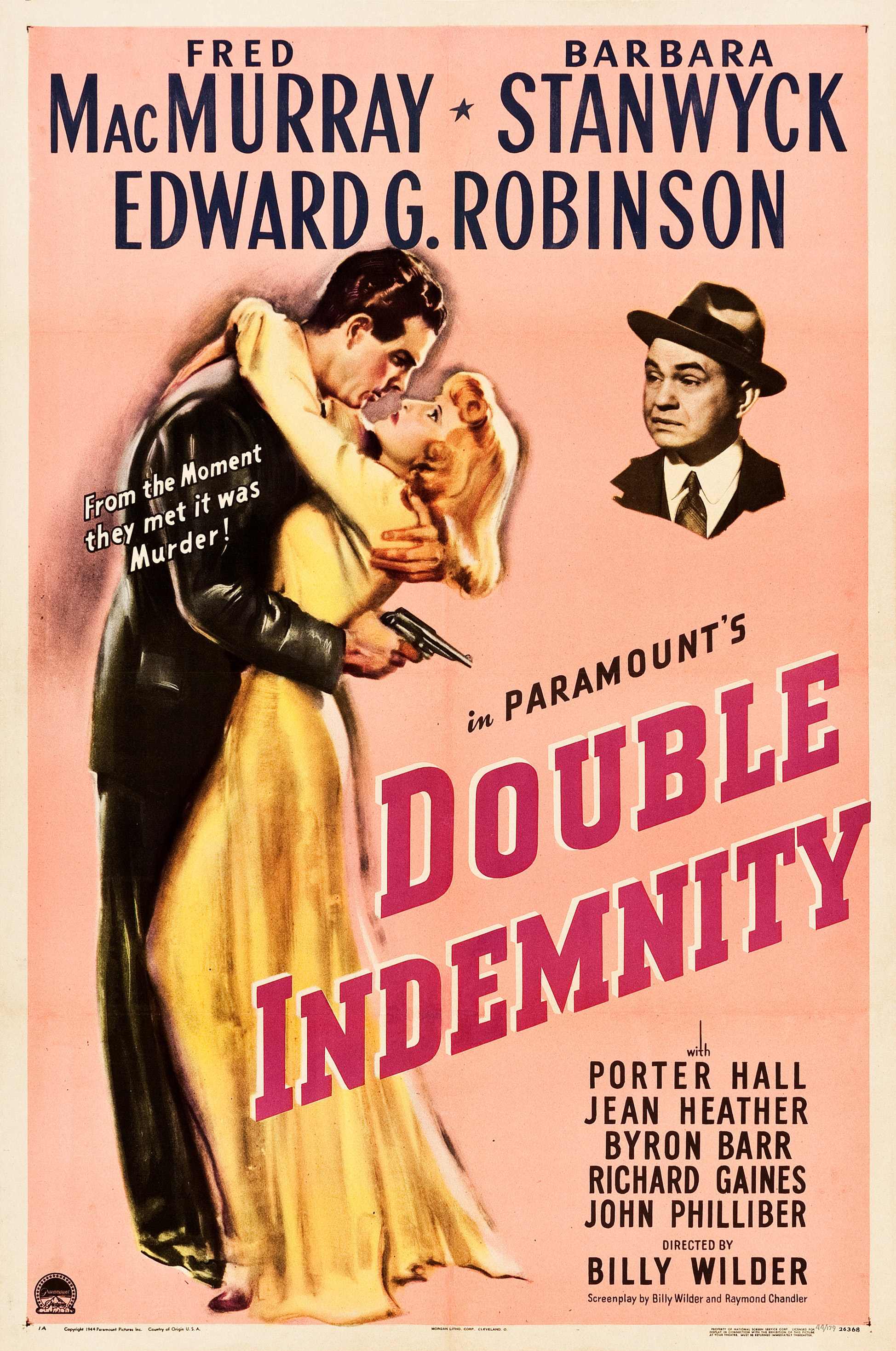
DOUBLE INDEMNITY
More or less the classic domestic Film Noir template is established here, even if the second half of the narrative is slightly less interesting with the Lola subplot being easy to forget. The lighting by John Seitz set the tone for every malice domestic noit to follow, as did the score by Miklos Rozsa. The dialogue by Raymond Chandler is endlessly quotable and the relationship between Neff and Keyes very touching.
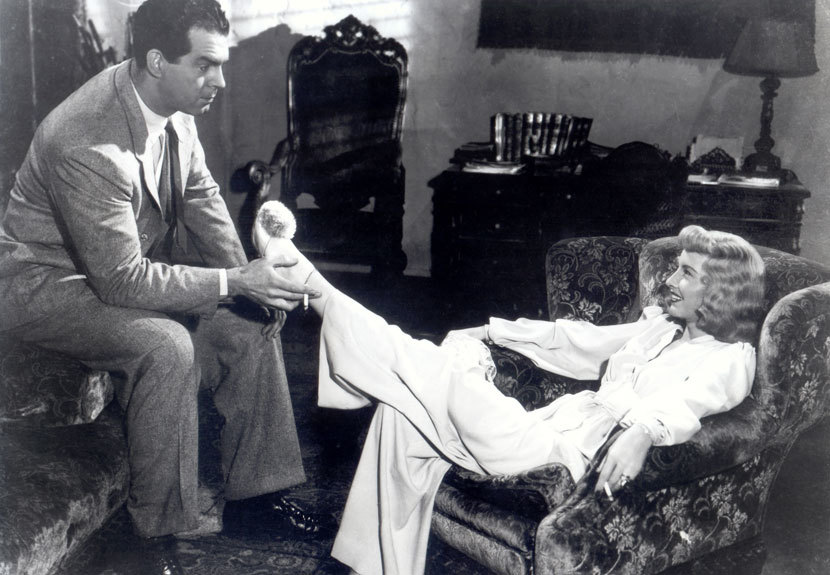
Nick’s notes: Just the best. A noir that doesn’t feel like it’s pulling any punches in a constrictive era. Sultry and suspenseful from the very start – the scene at Neff’s apartment is one of the simplest and yet most effective pieces of suspense filmmaking ever.
Brad’s notes: I know this isn’t the first noir, but it feels like the archetype: doomed leading man led astray by lust for both a woman and for money (and you can see that lust right up there on the screen, all sordid and dirty). The casting of the three leads is impeccable, with MacMurray as the big surprise. (I grew up with the wholesome Steve Douglas on My Three Sons.)
* * * * *
I want to thank Steve Martin and the late, great Carl Reiner for giving the Three Amigos a chance to deep dive into some lesser-known films noirs and some of the greats. (It was a fabulous four-hour long discussion!) Let us know what you thought about our list, and if we’ve inspired you to find some of these films, well . . . that’s what we’re here for.
We’re already busy working on our three drafts for the coming year. What I can tell you is that our spring draft will bring us back to the small screen and we expect YOU to get involved! (You even get to make a couple of placements!!) And in the summer, we’re tackling a classic franchise . . . just as it’s about to get a new lease on life!
Till then . . . see you at the movies!

