Can we talk about titles for a minute?
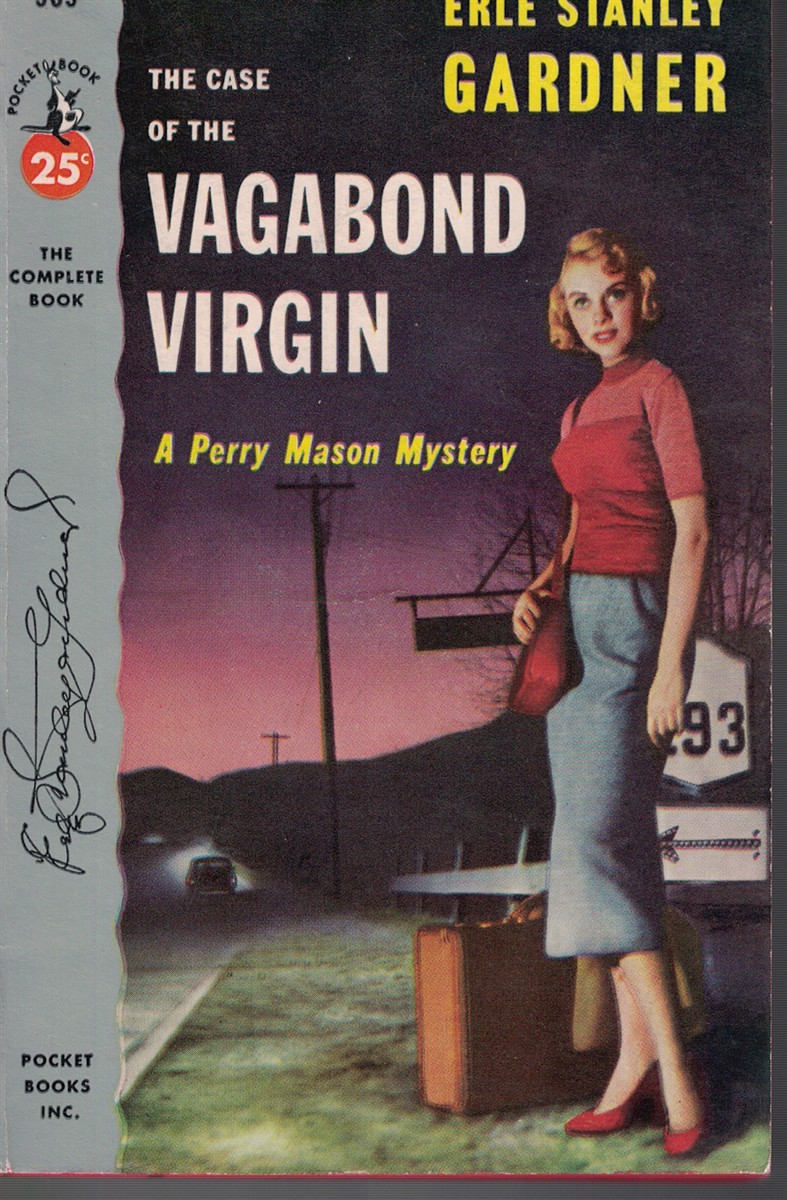
Who doesn’t feel comforted by the consistency found in the titles of 82 novels and four short tales that comprise the Perry Mason saga. Each begins with those pithy four words . . . The Case of the . . . and finishes with an adjectival modifier, followed by the noun it modifies. This final pair of words is designed to titillate the reader with a clue as to what they will find inside. Sometimes the words complement each other: a troubled trustee must be upset by something going on within the situation upon which they act as trustee, a bigamous spouse has been a bad boy when it comes to the “one-wife-per-husband” rule, and so on.
When the noun and the modifier clash with each other, however, it creates a delicious tension and suggests a question that provides the basis for one of those unusual situations that Perry Mason seeks in order to avoid the drab sameness of a typical defense attorney’s job. How did the canary become lame, or the blonde get a black eye? Is it possible for a real bishop to stutter? So far, well into our year-long “Girls! Girls! Girls!” exploration into Perry Mason’s world, the titles have been admittedly disappointing: a sulky girl? a sleepwalker’s niece? a dangerous dowager? What gives, Mr. Gardner?
Folks, I’m here to tell you that your worries are over, for as we leave the prim 1930’s and travel through the 40’s, things are about to loosen up, and it begins with arguably the most titillating title of them all: 1948’s The Case of the Vagabond Virgin. As soon as we begin the novel, we’ll discover that it is pretty titillating – but it’s also problematic.
It’s problematic because, in 1948, we’re still stuck in a time when virginity was a measure of a girl’s innate goodness. The only way to avoid the path to evil is to sacrifice one’s virginity on the altar of marriage. And so, when the titular character, Veronica Dale, is introduced, she has hitchhiked across the country from her tiny town in Indiana. A gorgeous platinum blonde, she presents herself as a pure innocent, just past eighteen, but she admits that she utilizes her beauty to find the best rides from the wealthiest men in the nicest cars, and that they often give her little gifts of money.
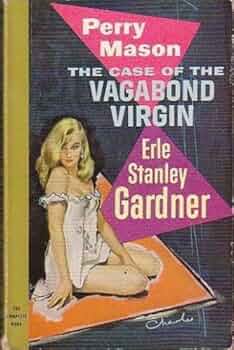
This character trait proves extremely problematic for Perry Mason’s client, department store magnate John Racer Addison, who has done a fatherly kindness by picking up Veronica Dale on the road and then putting her up in a hotel at a time when spare rooms in L.A. are at a premium. And what does Veronica do? She drops her suitcase in her room and then heads outside to loiter around the empty evening streets, looking as guilty as possible until a passing cop, checking out her platinum hair, curvaceous body and refusal to account for her presence, arrests her for vagrancy.
It turns out that “vagrancy” is a legal catch-all phrase that covers a multitude of infractions. Let Perry Mason himself educate you: “A Peeping Tom is a vagrant. A person who wanders the streets, at late or unusual hours of the night, without any physical or lawful business, is a vagrant. A person who lodges in a barn, shed, shop, outhouse, or other place without the permission of the owner is a vagrant.” In other words, pretty much anyone who is caught as a tramp, a loiterer, a trespasser, or an idler is a vagrant.
If they’re a man.
In 1948, the law tended to view a woman’s vagrancy – particularly as good-looking a woman as Veronica – as a sign that she is practicing a sin nearly as old as time. This puts Addison in an uncomfortable position, particularly when a blackmailer comes sniffing around and threatens to have the incident published by a notorious gossip columnist – ifAddison doesn’t fork over a lot of money. Things get even dicier when a woman appears in Mason’s office, claiming to be Veronica’s mother, and wanting the lawyer to protect her innocent baby.
But it all seems unimportant when the next discovery is made, by Perry and his client, of course, of a dead body in a deserted farmhouse, right next to the spot where Addison picked up the vagabond virgin. It doesn’t help that the time of death is fixed at that same night, or that the dead body turns out to be Addison’s business partner, a man whom he described as “an old-fashioned, deeply rooted, decayed stump, full of worms, with ants crawling all over the bark, and bird droppings on the top.”
For a long time, this is a fun romp. Addison is a persnickety complainer. The dead man’s widow is refreshingly honest about her marriage. And Veronica Dale is . . . a mystery, although Della Street is fully certain that she is a scammer. Watching Perry manipulate the blackmailer is a joy to behold, and if it naturally lands Perry in hot water with the police, at least that policeman is Mason’s old nemesis, Sergeant Holcomb, drummed out of Homicide for playing dirty and now floating through different departments, always looking for an opportunity to ruin Mason. Lieutenant Tragg is here as well, the dogged but very good cop who can’t help admiring Mason even during their most adversarial moments.
Heck, the whole gang is here: District Attorney Hamilton Burger, who happily appears in court even earlier in the novel than usual; Paul Drake, who does a bit of detective work and a whole lot of hand-wringing over the guilt or innocence of Perry’s client; and, of course, the delectable Della Street. It’s Della who saves her boss’ hide when things look especially dark and Della whose perspicacity leads her “Chief” to the truth about the vagabond virgin, a truth that is rolled out in a delicious 22-page-long cross-examination.
This has all the makings of a first-rate mystery, but it’s let down by its ending. As Perry starts to piece together the truth, it becomes clear that the prosecution’s case is a shoddy one, built on an incomplete investigation and misinterpreted evidence. There’s a moment where a piece of information is delivered on the stand, causing the defendant to stand up and deliver a further piece of information that turns the case around – and that both sides should have been aware of before coming into court. And as things start to appear the right way around, the part played by the vagabond virgin begins to verge on the ridiculous.
It gets worse when the killer is revealed and a whole bunch of information is dumped in order to explain so much . . . stuff . . . of which we were never informed. Mason does a nice bit of deduction to demonstrate how we should have spotted the killer all along – had we been more than barely aware of that person’s existence. Once Gardner dumps this ending on us, he gets out quick, leaving us hanging about the fates of a lot of characters who played much more prominent roles than the killer. For what it’s worth, though, I enjoyed myself for most of the ride, and I think there’s plenty here for Perry Mason fans to enjoy.
* * * * *
Would it surprise anyone if I told you that when the novel was adapted as the ninth episode of Season One of Perry Mason, the title was changed to “The Case of the Vagabond Vixen?” This is certainly understandable for a TV episode that premiered on November 16, 1957, but vixens and virgins are hardly synonymous! Plus, this titular alteration has the potential to ruin a lot of the book’s surprises.
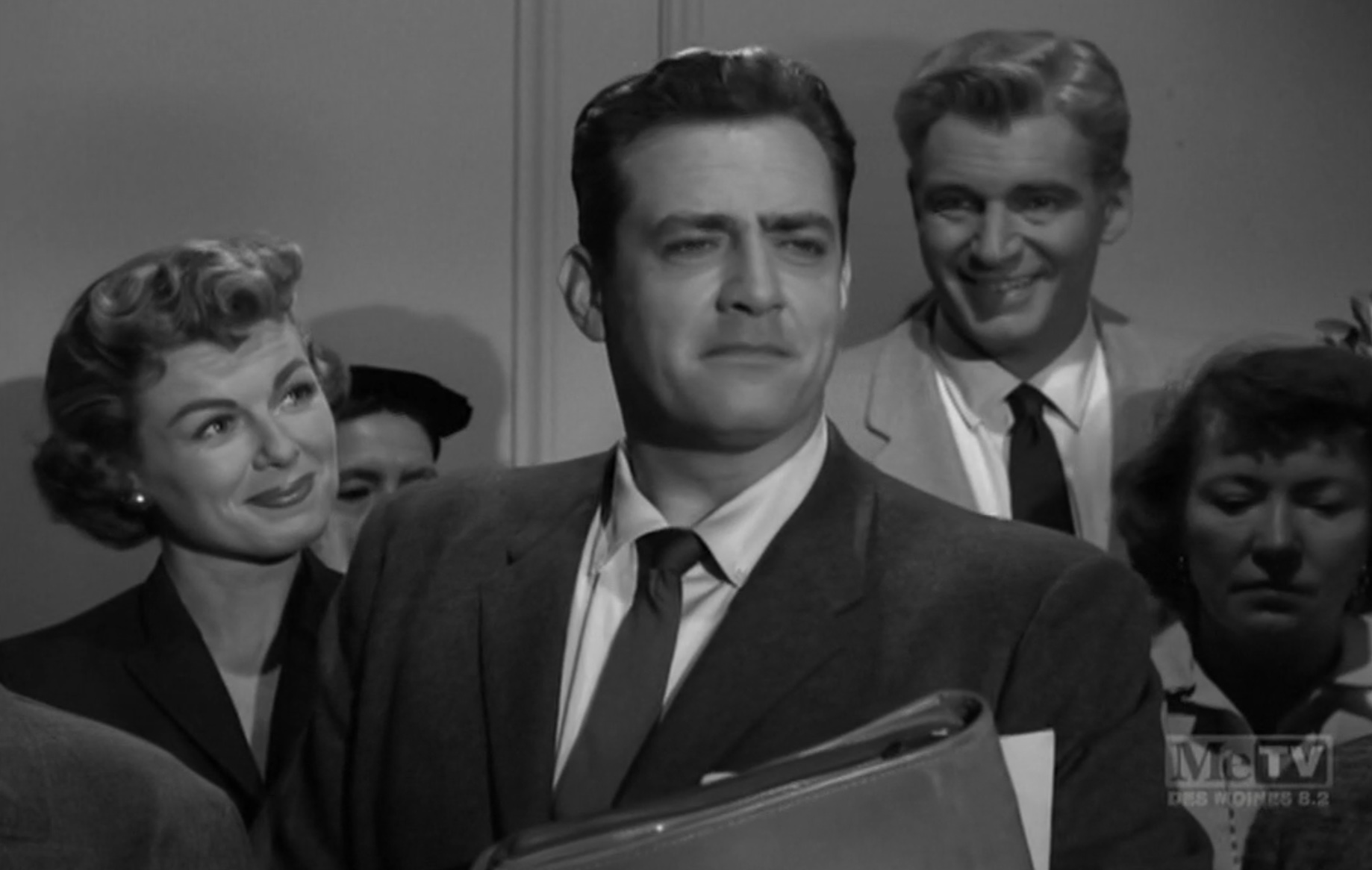
Have no fear, the screenplay starts ruining the plot right away by showing us too much information waaaay too early about what happened on the night of the murder. There’s also a cascading effect stemming from the perfectly natural decision to make the murderer’s role a more prominent one, including a moment involving Veronica Dale’s mother that worked in the book but makes no sense at all here. Aside from all this, the episode is essentially faithful to the original text, if you’re willing to settle for a sort of “greatest hits” adaptation of the book.
Next month, we turn from vagabond virgins to cautious coquettes, but the point of action still involves cars: if you thought hitchhiking was dangerous, wait till you witness the hit and run that instigates our next adventure! BUT FIRST!!! I have a little Perry Mason surprise bonbon to share with you at the start of the month!See you in June!


Pingback: THE ERLE STANLEY GARDNER INDEX | Ah Sweet Mystery!
Pingback: BONUS GIRLS! GIRLS! GIRLS!: The Case of the Crimson Kiss | Ah Sweet Mystery!