We’re talking about some of the great actors who excelled in playing country folks and who appeared all over the TV screen in Western dramas and comedies. Last time, we examined Parley Baer, Ben Cooper, and Frank Ferguson. Today we’re going to talk about two more terrific character actors whose careers and range of character were even more prolific than the others.
* * * *. *
The only actual Southerner in our trio, Missouri-born Robert William “Dabbs” Greer appeared in nearly a hundred films and almost six hundred TV shows. He began acting as a child, and when he finally moved to L.A. in 1943, he – and I know I sound like a broken record – became an administrator and taught acting at the Pasadena Playhouse. I’ve seen Greer play bad guys, but if you scroll down his credits list, the titles of priest, fireman, doctor, pilot, sheriff, and detective appear over and over again.
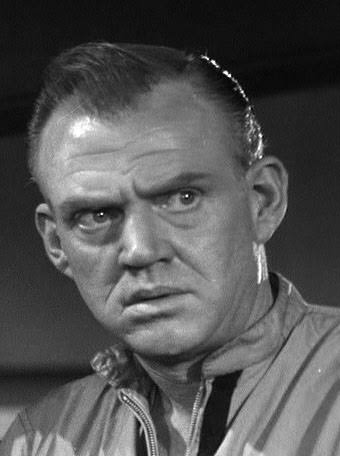
Greer was the first “man on the street” to be saved by the Caped Crusader in The Adventures of Superman. He played Mr. Jonas, the friendly general store keeper of Dodge City in over forty episodes of Gunsmoke. He was Reverend Alden on Little House on the Prairie for 76 episodes and the town reverend on one my favorite series, Picket Fences, for twenty episodes. He made multiple appearances on Bonanza, The Andy Griffith Show, Petticoat Junction, and Gomer Pyle, U.S.M.C.. He was on two episodes of The Twilight Zone. Honestly, Greer was in pretty much everything!
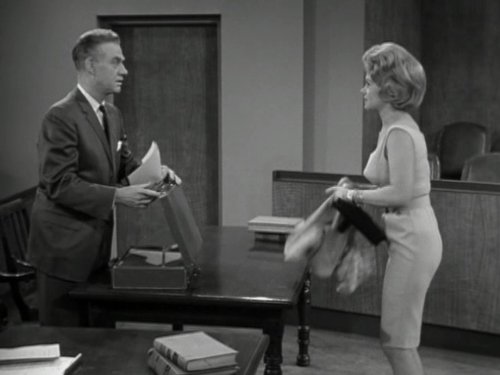
Greer showed up four times on The Dick Van Dyke Show, and I have to mention his first appearance in an early episode called “One Angry Man,” because it’s both special and germane to our discussion. Rob Petrie is called for jury duty and ends up serving on the trial against a beautiful woman (Sue Ane Langdon, whom we recently saw on Perry Mason) accused of smuggling diamonds into the country. Dabbs Greer plays Ms. Langdon’s defense attorney – and his name is Mr. Berger! (He even wears a lustrous wig making him look more like Bill Talmann.) The D.A. (Lee Bergere, who also appeared on PM) is, of course, named Mr. Mason!
Greer made eight guest appearances in Perry Mason, starting with an adaptation of The Case of the Fugitive Nurse,followed by “The Case of the Prudent Prosecutor” which we covered in our discussion of Dark Shadows and Dennis Patrick. His appearances span the entire series, and we’re going to start with “The Case of the Lavender Lipstick,” the fifth episode of Season Four, which debuted on October 15, 1960.
This is the tale of two cosmetics companies, one run by the Corleones and the other by the Sopranos. Not really – but I love when the series takes us into the world of ladies’ fashion or make-up and treats it like we’re in the middle of a mob war. Somebody is stealing formulas from Caress Cosmetics and selling them to the rival company owned by Gabe Rawson (Walter Coy, four episodes of PM). It most definitely is not Karen Lewis, the comely chemist working on a new formula for lavender lipstick, but it’s Karen who gets called into the office of her boss, Max Pompey, who waves photostatic copies and a bankbook found in her desk as proof that she is the thief. Then Max propositions, er, proposes a solution: he’ll keep silent if she satisfies him sexually. Karen slaps his face and is promptly fired.
(A word about these two actors: Karen is played by Patricia Breslin, who we coulda/shoulda talked about when we covered Peyton Place. She appeared as Leslie Harrington’s sister Laura for thirty episodes and finally went to Europe to escape the town’s soap opera existence – only to land on General Hospital as a nurse! Max is played by Whit Bissell, another fantastic character actor who appeared in a thousand “B” movies and every TV show you’ve ever watched. He was always great at playing the solid steady business exec or authority figure, and Perry Mason used that to good effect in his four episodes to sometimes let him vent his hidden dark side.)
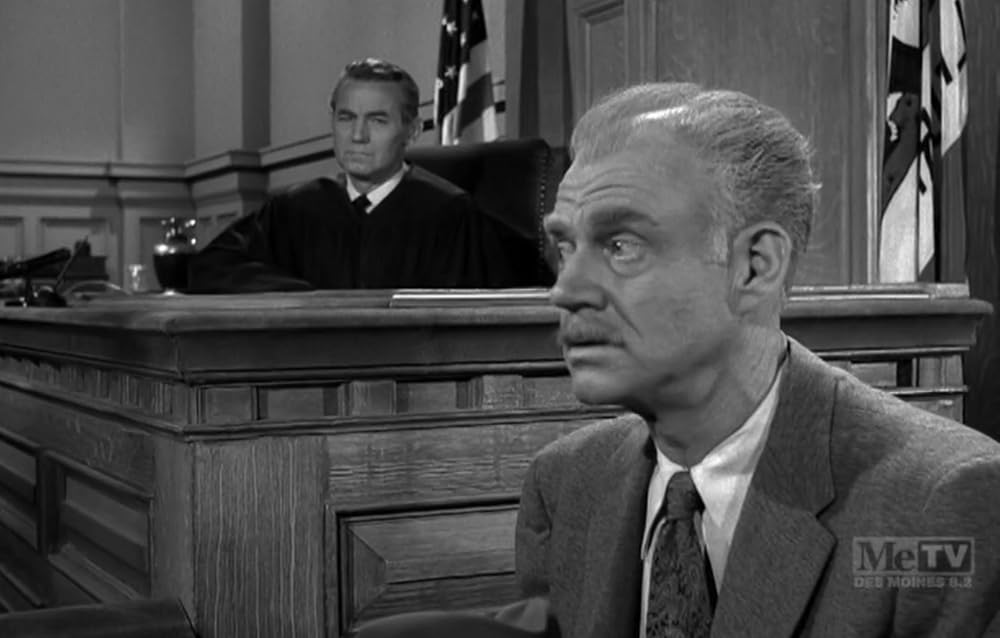
Max is especially evil here: right after firing Karen he tries to pick up his old flame Myra Heston (Rita Lynn, 4 eps). Like Karen, Myra is a chemist; unlike Karen, Myra walks like Mae West, her eyebrow arches as high as the one in St. Louis. After she lets Max take her home, he goes to a steam room and meets Gabe Rawson to plot against the head of Caresse Cosmetics, Silas Vance (veteran actor James Bell, who also made four episodes of PM). If you had asked me at this moment, I would have bet you money that Max was going to end up dead. But it is Vance who ends up getting killed in the lab, and the set-up is pure Golden Age mystery: the kindly watchman Charles Knudson (Dabbs Greer) is lying unconscious in the outer office of the lab, his clock smashed to indicate the time of death. Vance is inside the lab, and what do you know? – he has left behind a dying message in lavender lipstick!!
You don’t need me to tell you any more to know whodunnit, do you? Mr. Greer is done up in a moustache that makes him look like our old friend Karl (The Birds) Swenson. Karen’s fellow chemist and boyfriend Peter Nichols (John Lupton, who we also saw in “The Case of the Bartered Bikini”) is innocent, what a great episode it would have been if he were the guilty party!
“The Case of the Skeleton’s Closet,” the twenty-sixth episode of Season Six, premiered on May 2, 1963. There’s a soapy quality to this one (as in “soap opera”) that is amplified by many factors. First, the plot: a piece of vermin named Richard Harris (Michael Pate, two PM eps) has written a book called Dishonored: The True Story of a Community, that exposes the scandals in the lives of a “typically normal” neighborhood, including the fact that Harris’ two young daughters live with his ex-wife and have assumed their stepfather’s name. So the ex-wife, Margaret Layton, is Suspect Number One. (And it just so happens that she is played by Peggy Mackay, who would go on to star as Alice Brady on Days of Our Lives for forty years and over 1500 episodes. And she emotes here like the true soap diva that she is!) Suspect Number Two is Harris’ publisher, Albert McCann, who has been sued by Perry Mason for breach of privacy regarding the book and would like to settle – except Harris has put something dirty about McCann in the book, too. (McCann is played by David Lewis, who appeared in seven Perry Mason episodes and then went on to play Edward Quartermain on General Hospital for over 500 episodes.)
Suspect Number Three is McCann’s secretary, Grace Kingman (Pat Finlay, more of a comic actress, although she did appear in three of the NBC Perry Mason TV movies) who is trying to protect Suspect Number Four, office supply store owner Harry Collins (Frank Aletter, also more of a comic actor who appeared in every sitcom ever – but he also appeared for two years in the soap opera Capitol and managed to make one appearance on General Hospital, Dallas and Falcon Crest.) And Suspect Number Five is a journalist named Dave Weaver (Keith Andes – no soaps, but a very dramatic actor!) who believes that Harris impregnated his sister who then got hit by a car and lost the baby and now weaves baskets in her room but sometimes sneaks out and breaks into Harris’ house!!!
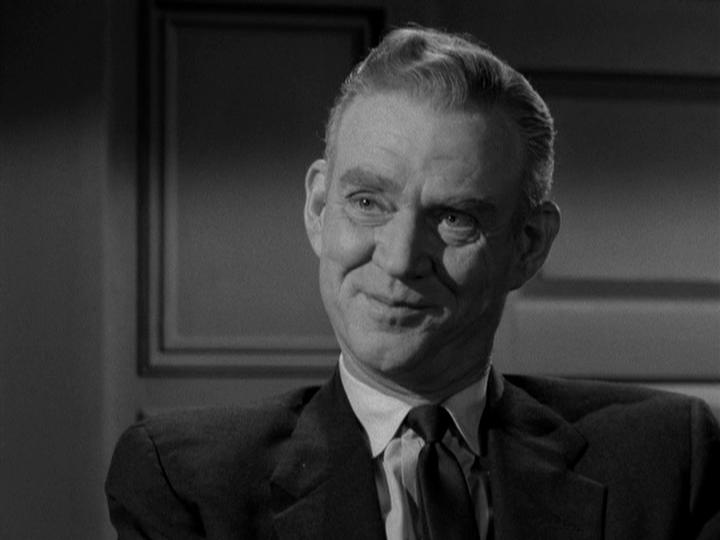
Anyway, one of these people kills Harris, and fans of the series will know who that person is as soon as you meet them. However, I want to say a word here about Dabbs Greer, who has essentially a minor role as a man from the gas company who comes to Harris’ house and claims to have seen the defendant standing over Harris’ desk, looking down at the body. A lot of these minor characters come and go on an episode, but Greer is riveting here as a man who at first seems like a great witness but turns out to have a hidden agenda. And you can tell there’s something wrong by the smugness and eagerness with which Greer testifies, which makes it especially satisfying when Mason rips this witness apart.
One final, uneasy note: this is a rare instance of the show hiring a Black actor to play the judge. That’s great, and I have no doubt that the series should be applauded for attempting some diversity. (A few other episodes have a woman judge as we’ll discuss down the road.) However . . . this judge receives no acting credit in the final role, and he doesn’t have a single line to say. This is weird as hell because Mason and Burger are totally acrimonious at times here, and yet neither of them objects one single time! They can’t – the judge would have to sustain or overrule the objection!
Next up is “The Case of the Sad Sicilian,” the twenty-second episode of Season Eight, which premiered on March 11, 1965. This case is ridiculous from start to finish! It only works if you play “Santa Lucia” in the background while you’re watching. It concerns Paolo Porro (Fabrizio Mioni), an Italian bumpkin who has conceived of a great scheme for enjoying la turismo in the United States: in every city he visits, he looks up his own surname in the phone book, cases each location to find the nicest house, and then rings the bell and tells the owner he’s from the Old Country and brings greetings from Uncle Giovanni.
And it always works . . . until a fisherman in San Francisco who has no Uncle Giovanni sends Paolo to Los Angeles to look up the Bacio family. Enrico Bacio (Anthony Caruso, back again) makes sculptures for a living but has decided to move back to Italy and force his grown children to return with him. Son Massimo (Rudy Solari) wants to stay and build up the business, daughter Elizabeth (Linda Marsh) wants to get out from under her father’s domineering will, and nephew Giangiacomo (Nico Minardos), who is being left behind, bitterly resents not being given the molds that his own father made for Bacio before he died. And the housekeeper Serafina (Margo) who dresses in black and makes a lot of spaghetti for this episode, hates everyone and wants Enrico to suffer le torture dell’inferno!
Bacio is stupid enough not only to ignore the burning hatred of his beloved familia but to accuse Paolo, who comes to pull the same stunt for la turismo, of wanting to kill him because of a 150-year-old vendetta between the Bacios and the Porros. (How do you say “oy” in Italian?!?) Of course, Bacio is killed, and Paolo is on the scene – but so is Perry Mason, thanks to his friendship with a priest, Father Reggiani (Paul Comi), who happens to run the parish where the Bacios live.
This is the episode where D.A. Burger greets Mason with buongiorno, and a fight breaks out in court between the defendant and a group of Italian men imported by the prosecution to heckle the guy. Everyone gesticulates wildly and yells “basta!” Raymond Burr is wearing a cast that he hides under his coat. Poor Barbara Hale is forced to swoon over Paolo as if Della Street were a lovestruck kid! At least there’s one good thing: everyone has a really good motive, and any one of them would make a good killer. But then there’s one outsider: Mr. Dodson, the family lawyer (Dabbs Greer), and the priest notices that some threatening telegrams were sent to the victim in Italian by someone who clearly doesn’t speak Italian. I’m happy to say that all of this is a red herring!
Our final look at Dabbs Greer is in one of the final episodes of the series: Season Nine, Episode Twenty-Eight – “The Case of the Positive Negative.” This debuted on May 1, 1966, and it is a BONUS episode in that it also features Parley Baer!! This one involves a battle between good and evil, personified by two old time movie actors who engaged in a little good and evil themselves. On the Dark Side is Ted de Corsia, whose long career involved all kinds of roles on the big screen and TV but who made his mark as a bad guy in such films as The Killing (playing a corrupt policeman), The Big Combo (as a vicious gangster), and The Lady from Shanghai (okay, he’s a good guy here, but this movie’s crazy!). de Corsia plays George Emory, the reputed “boss” behind all the criminal dealings in a Los Angeles suburb called San Carlos.
On the side of the angels is Brian Donlevy, who may have never achieved “A” status but created a colorful rogues gallery of characters. He was a favorite actor of director Preston Sturges and appeared as The Great McGinty and repeated the role in The Miracle of Morgan’s Creek. He also played Dr. Quatermass in two horror sci-fi movies. Here, he’s pretty old and seems to have trouble with his teeth, but he plays a noble figure: General Roger Brandon, a war hero who is being asked to come out of retirement and join a committee to fight Emory’s corruption.
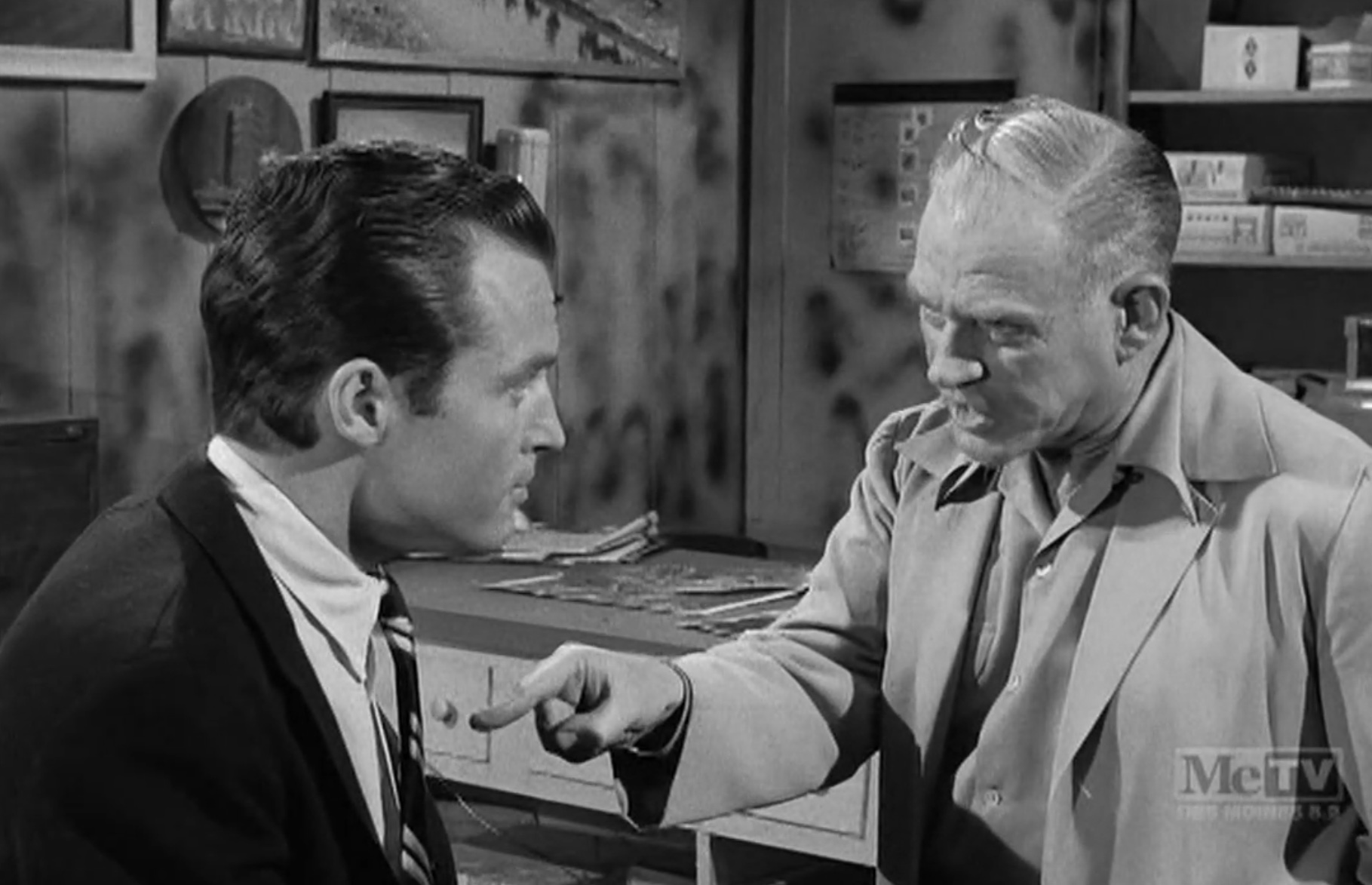
The problem is that photographs have surfaced of the General’s wife Laura (Bettye Ackerman) in a compromising position with Brandon’s aide, Warren Cotton (John Anthony Hayes). The pictures are a set-up, but Brandon is told that they will be sent to all the newspapers unless he turns down the committee’s invitation. Warren goes to confront his uncle Bill Cotton (Dabbs Greer) who runs the camera shop in San Carlos and who Warren believes took the photos. Bill is in an interesting spot: he served with General Brandon in two wars and owes his life to the guy, but he was also set up for business by Emory and lets the shop be used as a drop for bribes. Bill denies doing anything that would hurt the General; separately, both he and Warren visit Emory to confront him.
Meanwhile, the General confronts first his wife and then Emory himself. And Laura goes out for a mysterious walk. At least two guns are being handed around, so you know it’s only a matter of time before Emory is gunned down in his study.
This puts us in an intriguing position: here are four suspects who all hate Emory’s guts, who all visited him, and who are all filmed in the most suspicious of circumstances. We know the General is innocent because he becomes the defendant, but it would have been nice if the script had stayed with these three suspects, each of them a sympathetic character, and made one of them a murderer.
Alas, the series hews to formula. There are two other members of the committee – our friend Parley Baer and Simon Scott, who appeared in five episodes of Perry Mason. It figures that someone on the committee must be a rat; at least, when that person confesses, he turns out to be a big rat!
* * * * *
Denver Pyle, like Parley Baer, was a Westerner rather than a Southerner. Born in Colorado in 1920, he first dreamed of becoming a drummer, which caused him to drop out of college. Then he worked the oil fields in Texas and Oklahoma before joining his sister and brother in Los Angeles, where brother Willis became a renowned animator for Walt Disney. Denver worked for Lockheed as a riveter and for NBC as a page before doing his military service in WWII.
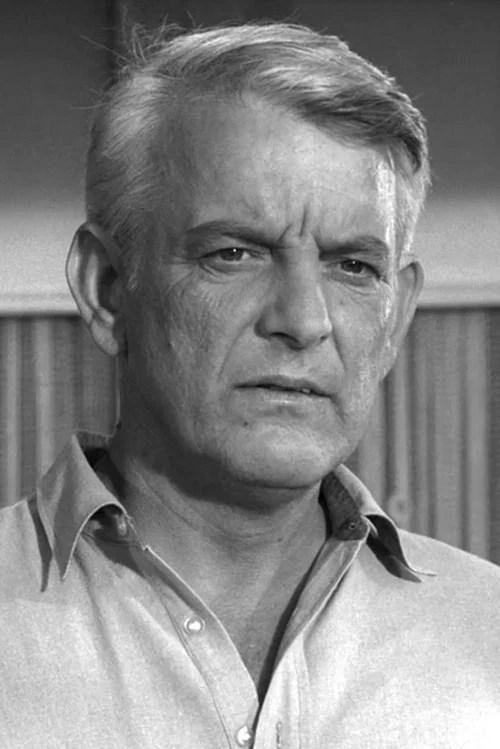
A friend got him into stage acting, and after he was spotted in a play he began landing film and TV roles. Perhaps his most prestigious big screen role was as the Texas Ranger who brings down Bonnie and Clyde, but he also appeared in several John Ford films, such as The Horse Soldiers and The Man Who Shot Liberty Valance. He appeared in lots of Western series as well: five episodes on The Rifleman, seven on Have Gun – Will Travel, and other series like The Lone Ranger and The Roy Rogers Show. He also guest starred on The Dick Van Dyke Show as Rob’s Uncle George, and in one of the worst episodes of The Twilight Zone as the father of a teenaged girl who falls in love with a leather-jacketed boy who happens to be part of an alien vanguard sent to destroy humankind and take our planet. (They win!)
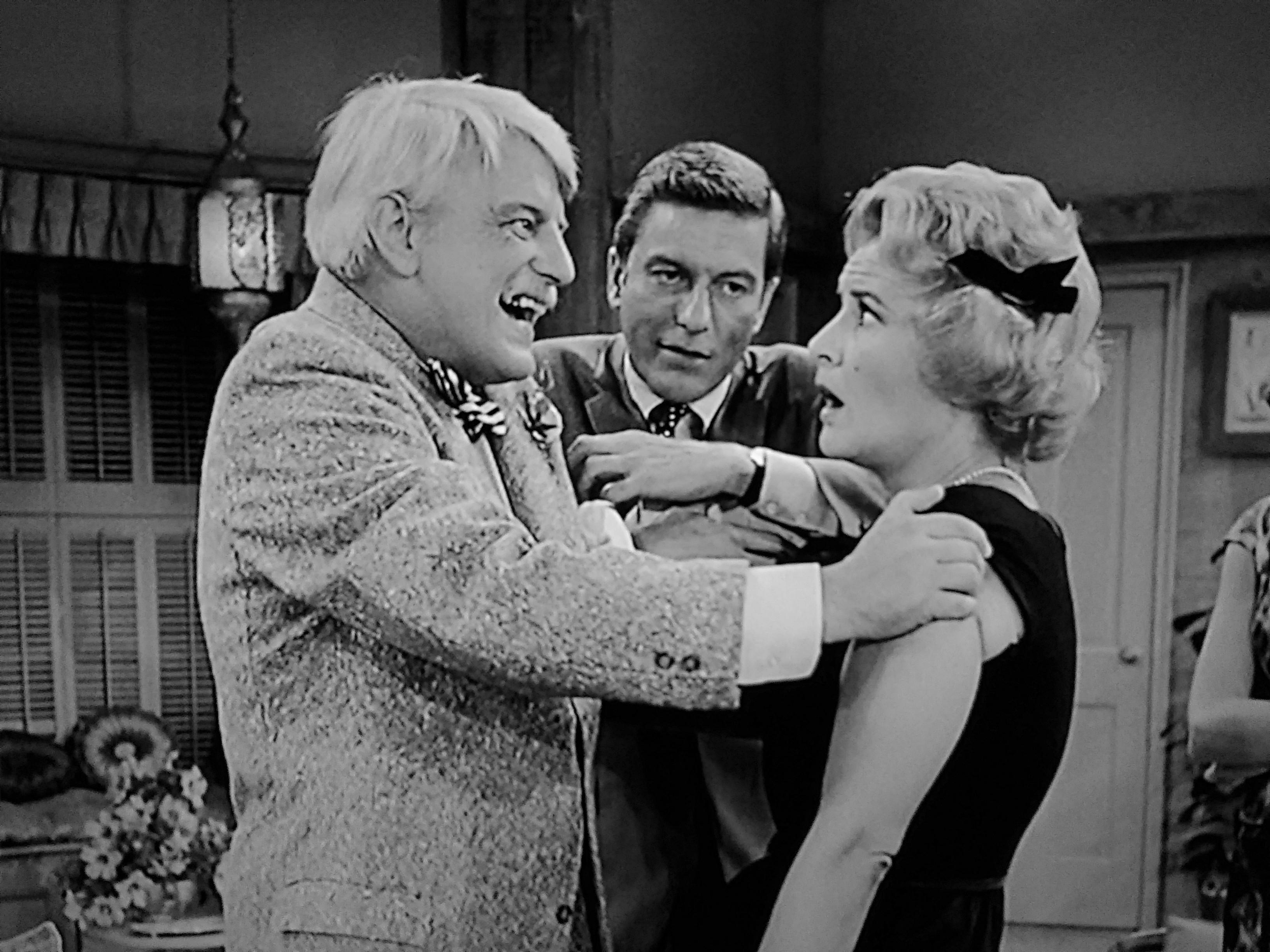
The Andy Griffith Show cast Pyle as Briscoe Darling, the patriarch of a lowlife hillbilly clan. Darling had six no good sons and one beautiful daughter who was in love with Andy. Pyle repeated that role seven times. He also played a different character on an episode of Gomer Pyle, U.S.M.C.. Finally, Denver Pyle was one of the regulars on The Dukes of Hazzard, playing the boys’ Uncle Jesse Duke. After a long career, this was the role that made him famous!
Pyle’s six appearances on Perry Mason span the entire season; in fact, his debut was in the very first original teleplay of the series, Season One’s twenty-fourth episode, “The Case of the Deadly Double,” which premiered on March 1, 1958. One can’t help but wonder how much the screenwriters Sam Neuman and Gene Wang were inspired by two films that had come out in 1957: Lizzie, based on Shirley Jackson’s novel The Bird’s Nest, starred Eleanor Parker, while The Three Faces of Eve starred Joanne Woodward. Both actresses played women with multiple personalities; Woodward won the Best Actress Academy Award for her work.
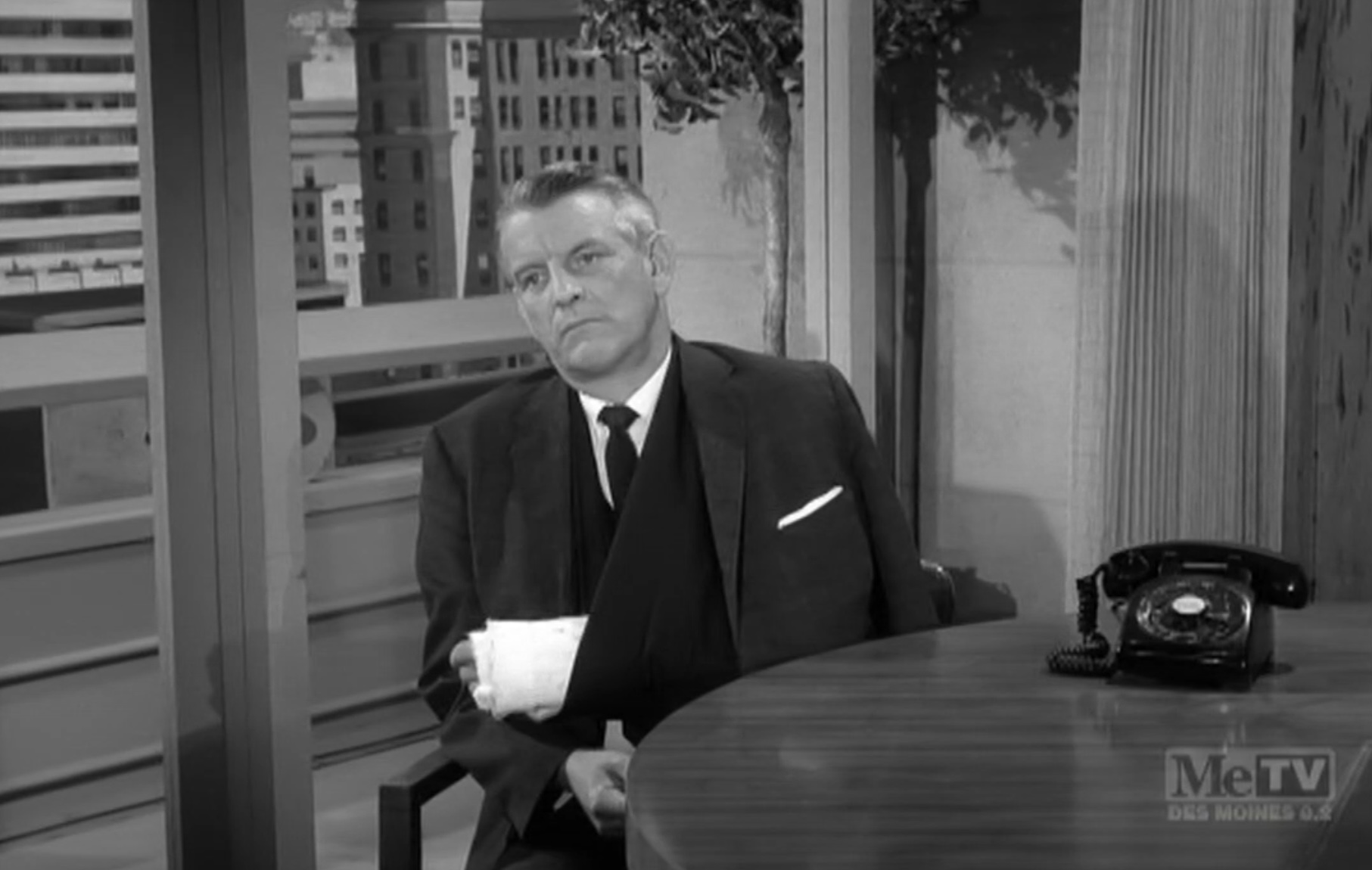
Pyle plays Robert Crane, a man worried to death about his sister Helen Reed (Constance Ford, three PM eps): her ex-husband David (Carleton G. Young) plans on suing her for custody of their little boy David, insisting that Helen isn’t morally fit to raise a child. And he might have a point: we see Helen dressed slinkily as she enters a rowdy nightclub, barges into the office of the owner, Johnny Hale (the great Murray Hamilton, of Jaws fame) and makes love to him. And yet, Johnny calls this woman Joyce Martel!
What Helen is only just beginning to discover through her work with a psychiatrist, Dr. Maitland (Abraham Sofaer, three PM eps) is that she is a schizophrenic. “Joyce” knows all about Helen and despises her, enough to frame her for murder! But it’s Robert who ends up arrested for David Reed’s murder, and Perry must figure out how each personality fits into the scheme of things.
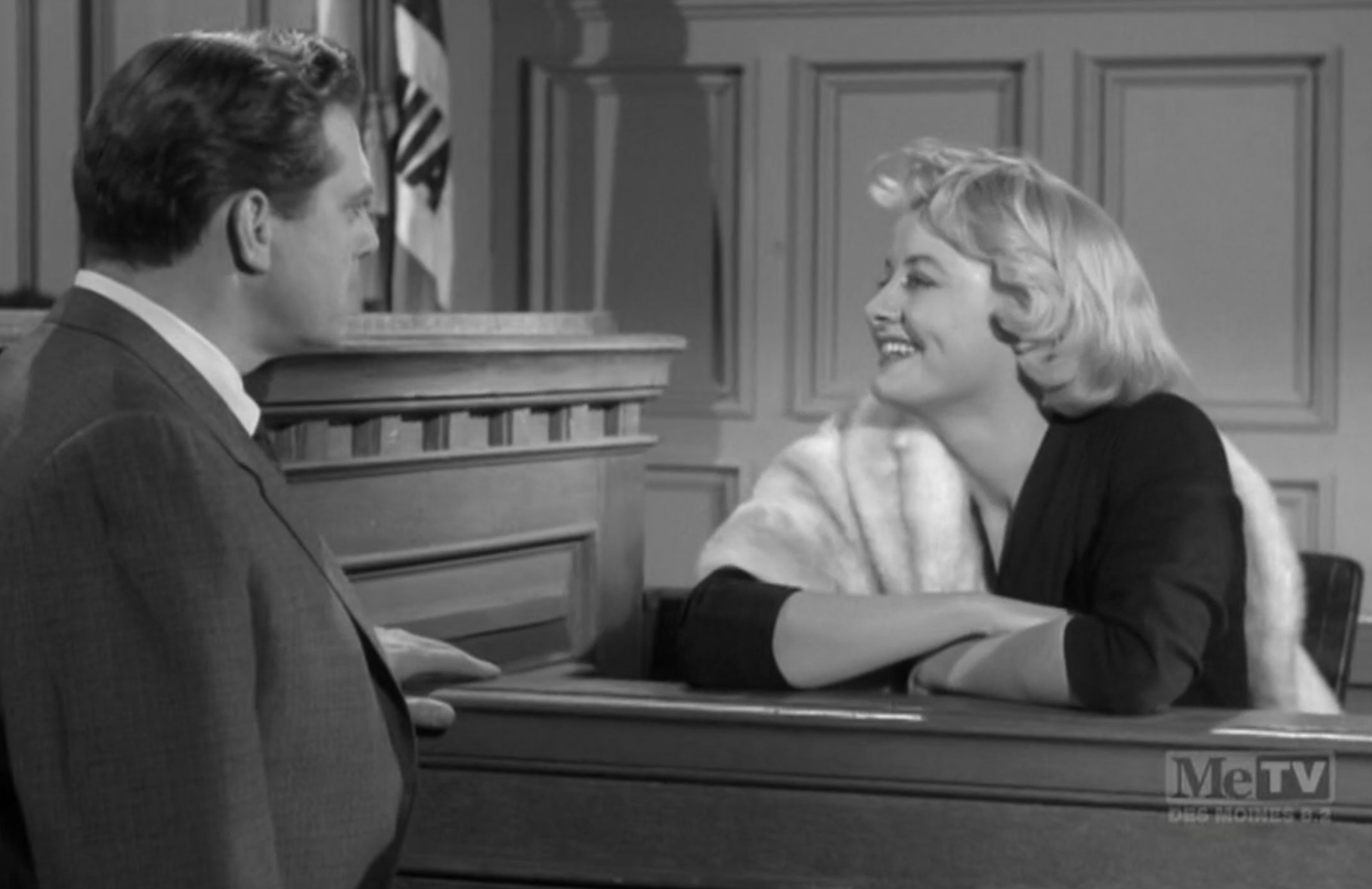
Paul Langton (Peyton Place) is back in his first PM role as the victim’s business partner, but he makes for a weak red herring. No, there’s only really one suspect on the table, which makes this not much of a mystery. But thanks to the work of Constance Ford, it’s a wonderful tour de force for the actress.
Next up: “The Case of the Ominous Outcast,” was the twenty-fourth episode of Season Three and debuted on May 21, 1960. The term “outcast” refers here not to a person who has been shunted aside from society but to a small town called Outcast that proves very ominous for young, good-looking Bob Lansing (played by young, good-looking Jeremy Slate). Bob has traveled a long way to thank the man who has for years made monthly donations to the orphanage where Bob was raised. Perhaps it’s wishful thinking on Bob’s part that the man, Frederick Bell (Henry Norell, three Perry Mason episodes), will look a lot like Bob and welcome him with open arms. Instead, Mr. Bell is openly hostile to the kid; what’s more, everyone in the village sees Bob and turns nasty.
Long story short, the man who probably was Bob’s dad committed a terrible crime in the town before being fatally shot, and the newcomer’s face is bringing back all sorts of feelings of anger, guilt and fear. Bob’s friend, Perry Mason, urges him to drop the situation and let Paul Drake look into it but, prodded by an overly friendly insurance investigator named J. J. Flaherty (Robert Emhardt, three eps), Bob stays in town and eventually trips over Mr. Bell’s dead body. Being the outsider, he is arrested and tried for murder. Interestingly, his judge is played by Willis Bouchey, who was a frequent presider in the L.A. courtroom trials.
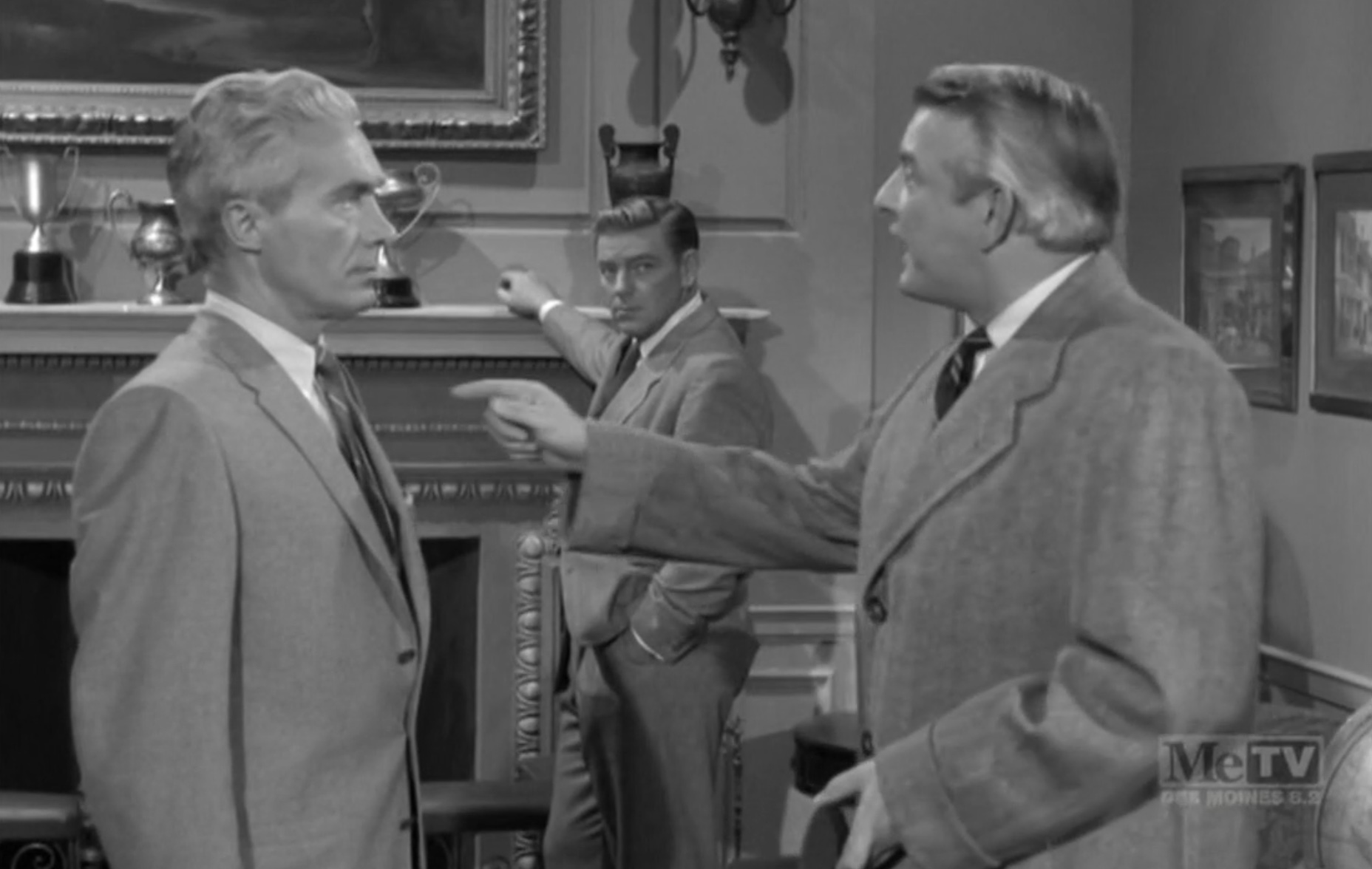
The suspects include Denver Pyle as Tom Quincy, a poor boy who made good juuuusstt around the time that Bob’s dad robbed that bank! Then there’s the dead man’s voluptuous widow (Margaret Hayes, who vamped through four PM eps) and couple of snoopy townsfolk, played by Claude Stroud (three eps) and Irene Tedrow, who deserves a place with the other great “biddies” of Hollywood. (She appeared as Congresswoman Margaret Geddes on perhaps the funniest episode of The Mary Tyler Moore Show ever, about a dinner party from hell!) Everyone, including Pyle, is good here, and what keeps it from being just a run-of-the-mill episode (with a more than obvious killer) is the hostility Mason must deal with in the defense of his client.
Pyle appeared in two episodes during Season Five. As we stated above, he shared the screen with Parley Baer in “The Case of the Jealous Journalist,” and he also had a guest shot in the thirteenth episode, “The Case of the Renegade Refugee,” which first aired on December 9, 1961. Here we have another rare closed circle mystery which takes place primarily at a religious retreat. At first, the story appears pretty simple, but this time screenwriter Samuel Newman is playing tricks with us and appealing to our emotions.
Journalist Lawrence Vander (Paul Lambert, three PM episodes) is hauled into the office of executive Clifton Barlow (John Sutton), who tells Vander his cover story about why he has come to interview everyone has been blown. Vander reveals the true nature of his investigation: he has proof that one of the executives in Barlow’s aerospace company is an escaped Nazi named Max Kleinerman. He wants to find the man and turn him over to the authorities – after he gets a good story and maybe some blackmail money!
So . . . who could the Nazi be? Well, Barlow himself has a cruel German accent. And Arthur Hennings is played by Ronald Long, whose three Perry Mason episodes always seem to be about Nazis. Could it be Buck Osborn, who’s almost too cute and curly-headed and is played by William Boyett, who made eight episodes of the series, usually appearing as a cop. Emory Fillmore (Pyle) has a Southern accent so – I say! I say! sooooo thick that it has to be real!
The only person we’re certain it can’t be is Harlan Merrill because he’s Perry Mason’s client. And yet it’s Harlan who is acting incredibly suspicious, who follows his fellow execs to a spiritual retreat at a Franciscan monastery, assaults the journalist and nearly confesses something to the head priest, Father Paul (Frank Overton, who had recently played Sheriff Heck Tate in To Kill a Mockingbird and guest starred on my favorite episode of Star Trek, the one about the spores.) Oh, and Harlan Merrill is played by Dick Foran, who had a long Hollywood career that began with Shirley Temple in 1934’s Stand Up and Cheer; he also made three Perry Mason episodes!
Suffice it to say, the journalist gets axed, and Perry must sort out the troubled past of his client, expose a Nazi and find a killer, all while having some deep and meaningful conversations with Father Paul about the good and evil that men do. There are two confessions on the stand in this one, and both of them are beautifully rendered and highly emotional. The only downside to this episode is that the two women in the cast are relegated to minor roles reflective of the limitations imposed on women at the time. You’ve come a long way, baby!
Our final look at Denver Pyle would be his penultimate guest role, in “The Case of the Shifty Shoebox,” the second episode of Season Seven, which premiered on October 3, 1963. (Pyle would return for the very last Perry Mason episode nearly three years later; we’ll talk about that one another time.) I gotta tell you, folks: I’m excited to talk about this one. First of all, Constance Ford is back, this time as the defendant. We have an EARLY SIGHTING of a big star (I’m going to do a whole post on that one of these days!). And, best of all . . . we have Billy Mumy!
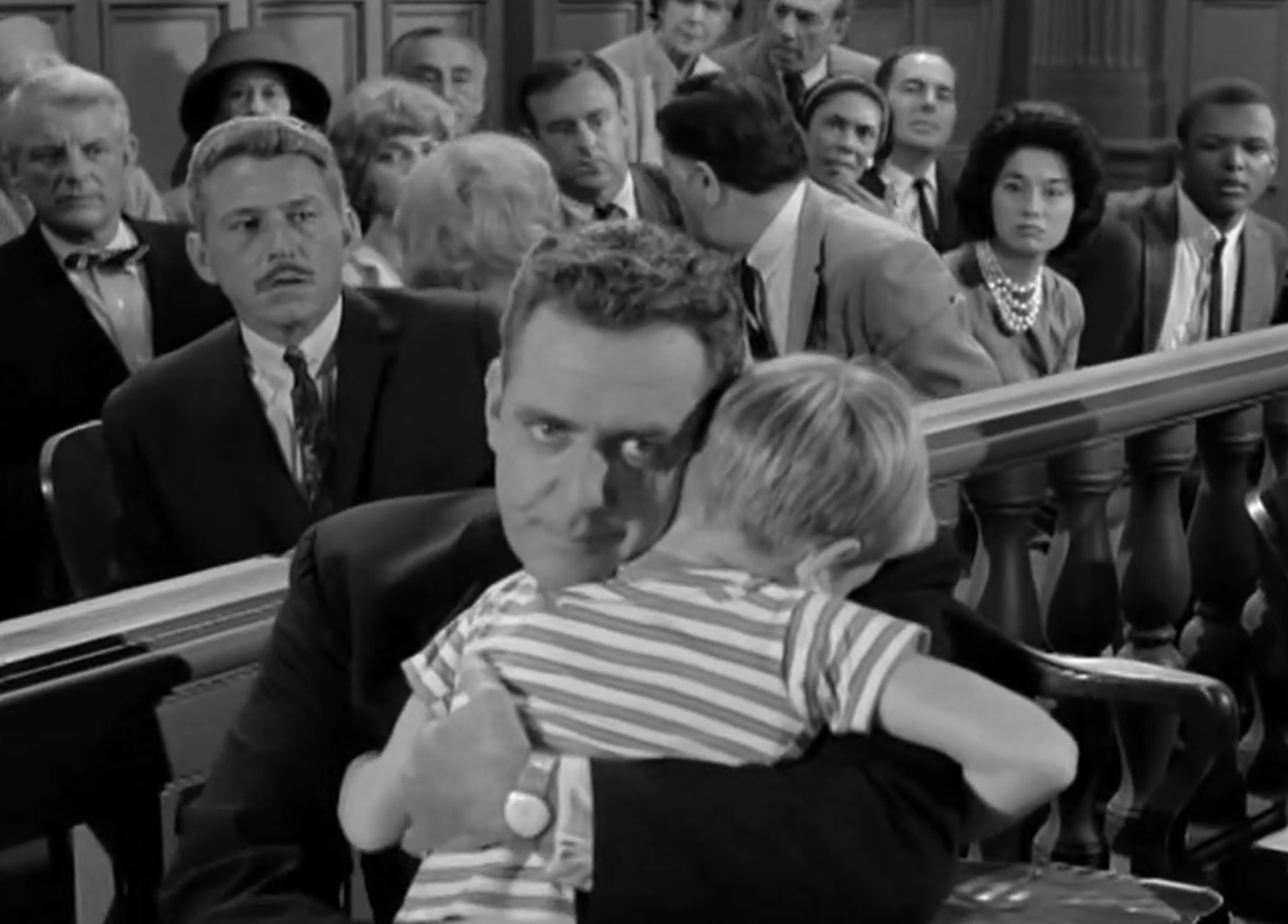
I’ve said this a couple of times: I tend to get the “icks” when Raymond Burr has to act with children. The writers make him all wise and fatherly and (gasp!) huggy, as if this were an episode of Perry Knows Best. But Billy Mumy is a different story. We’re about the same age, so when I would see Bill Mumy on TV, either destroying the planet on The Twilight Zone or trying to save it on Lost in Space, I felt like I was watching a friend up on that screen. (I was also jealous that Mumy got to live the star’s life I had always dreamed of, but it turns out he was that rare thing – a sensible kid who was totally prepared for the vicissitudes of show business and had savvy parents to protect and guide him. I’m not sure I could’ve survived his stardom.)
This is a standard-issue episode made stellar by some good direction and by the presence of Constance Ford and Billy Mumy. It opens one night at the Honer-Downing Trucking Company. The camera peers through the window to see two men struggling in the dark with a gun. A shot rings out, and one of the men (Benny Baker) runs out the door with the security guard in pursuit. The man throws the gun over the fence and runs away.
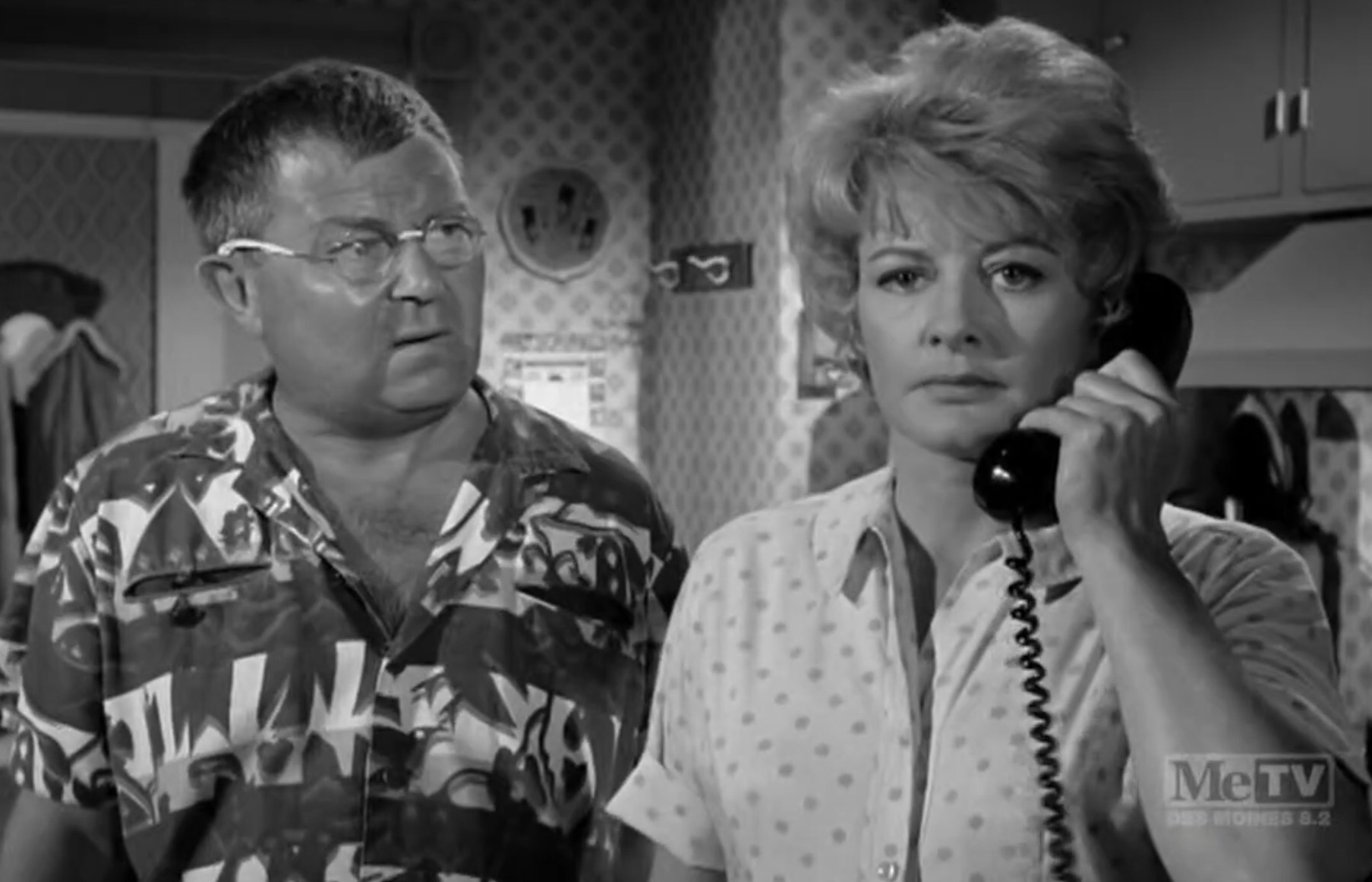
The next day, two little boys are playing catch, and one of them, a kid named Miles (Mumy) isn’t very good. When he chases the ball into a thicket by the fence, he finds the gun that was left behind the night before. He locates an old shoebox, puts the gun in it, and takes it home to his “Aunt” Sylvia Thompson, who happens to work at the trucking company.
A lot of twists and turns occur before the inevitable murder. The main point is that both Sylvia and Miles are good people stuck in a world of rats. Sylvia’s brother Flick is the reason Miles is staying with them: Flick is a drunk and a loser and, oh yes, the guy who ran out of the trucking office with the gun. He only pulled Miles out of a series of foster homes because the state would pay him money. But Sylvia has developed a real fondness for the boy, something she’ll need when she discovers that her boyfriend, Bill Sheridan (Joseph Sirola, three eps), is a rat.
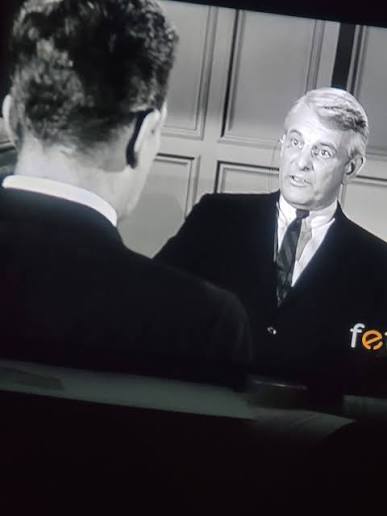
Perry is the firm’s lawyer and is trying to help partners Honer (Denver Pyle) and Downing (Ray Teal) figure out a major shortage in their books. Maybe Miss Frances, the comely bookkeeper, can help them. She is played by three-time Academy Award nominee Diane Ladd near the start of her career.
All of these people are pretty horrible, and the walls begin closing on Sylvia and Miles early on. What’s so refreshing here is that for once nobody piles on the pathos for these good people. Neither Ford nor Mumy seems capable of giving a cringing performance full of brimming tears and self-pity (although both of them get their moment to cry). Of course, in the end, when Perry Mason gathers all the suspects together at the trucking office for a rare non-courtroom denouement, every one of these people may be nasty enough to be a killer, but of course the true culprit is the one hiding behind the biggest mask of respectability.
* * * * *
That concludes our salute to the Three Bucolics and their remarkable contribution to show business in general, and Perry Mason in particular. We’ll be back soon with more Perry Mason connections.

